
Is Your Massachusetts Business Ready for a Water Damage Emergency?
Most business owners think about water damage when it's already pooling on the floor. By then, you're not preparing—you're reacting. And reaction costs more than prevention ever will. Massachusetts businesses face a specific set of risks: aging infrastructure, brutal winters, coastal storms, and plumbing that wasn't built for modern demands. If you haven't mapped out what happens when water shows up uninvited, you're gambling with your operation.
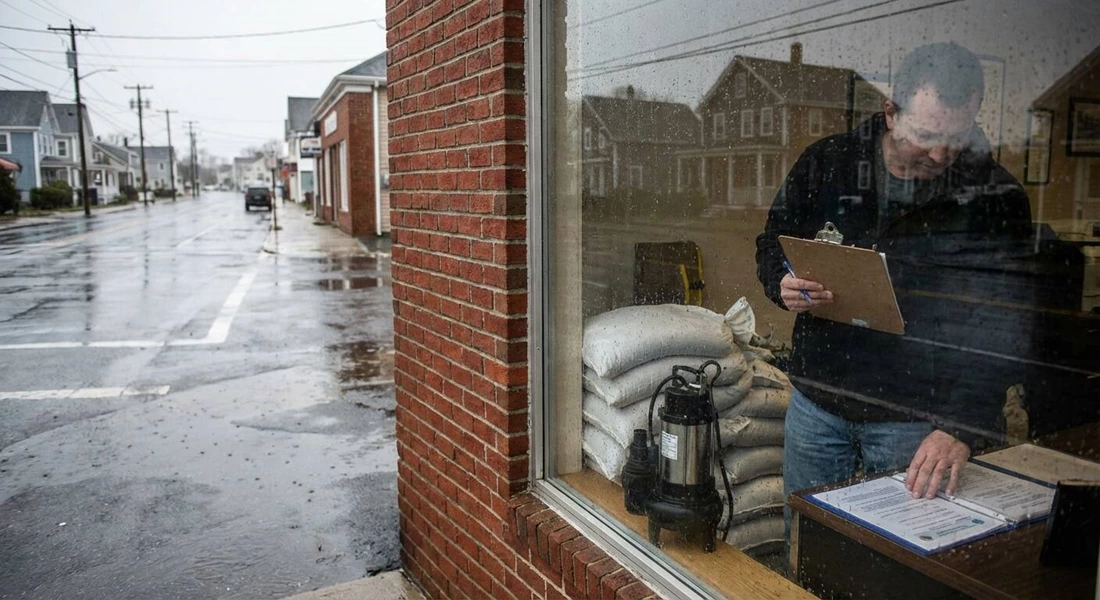
Preparedness isn't about paranoia. It's about control. When water hits, you need a system that kicks in automatically—not a scramble to figure out who to call or where the shutoff valve is. Every minute you waste is inventory ruined, equipment fried, and revenue walking out the door. We've seen businesses that bounced back in days and others that never reopened. The difference wasn't luck. It was planning.
Massachusetts Weather Doesn't Play Fair
The state throws everything at you. Nor'easters dump rain by the foot. Spring thaw turns basements into swimming pools. Coastal businesses deal with storm damage restoration needs. Inland spots get flash floods from rivers that looked calm yesterday. And winter? Frozen pipes are a ticking time bomb. One cold snap, one heating failure, and you're dealing with a burst that floods three floors before anyone notices.
Older buildings make it worse. If your property was built before 1980, chances are the plumbing wasn't designed for today's water pressure or usage patterns. Joints fail. Seals crack. Sewer lines back up. And when they do, the damage spreads fast. Water doesn't wait for business hours.
What a Real Emergency Plan Looks Like
A plan isn't a binder that sits in a drawer. It's a living document that everyone on your team knows by heart. Start with the basics: where are your water shutoffs? Who's authorized to make the call to evacuate? What's the chain of command when the owner isn't on-site? If your employees are guessing, you don't have a plan—you have a liability.
Next, map your vulnerabilities. Walk the property with a critical eye. Which areas flood first? Where are your electrical panels? What inventory sits on the ground floor? Document everything. Then build your response around those weak points. Assign roles. Run drills. Make it muscle memory.
Critical Assets Need Elevation and Protection
Water flows downhill and spreads sideways. If your critical documents, servers, or high-value inventory are sitting on the floor, you're asking for trouble. Elevation is cheap insurance. Get everything important off the ground—at least 12 inches, preferably higher.
Here's what needs protection first:
- Financial records and contracts—digitize them and store backups offsite or in the cloud
- Computer servers and networking equipment—elevate or relocate to upper floors
- Inventory with high replacement costs—use shelving, not floor pallets
- Customer data and proprietary information—encrypt and back up daily
- Machinery and equipment—anchor it and keep maintenance logs current
Maintenance Gaps Turn Into Disasters
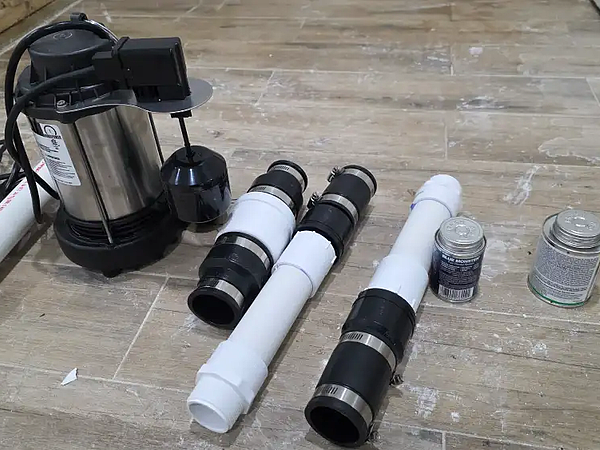
Small leaks become big problems. A drip under the sink today is a ceiling collapse next month. Routine maintenance isn't glamorous, but it's the difference between a minor repair and a five-figure insurance claim. Inspect your roof twice a year. Clear gutters and downspouts before storm season. Check sump pumps monthly. Test backflow preventers. Replace old hoses on water heaters and washing machines.
Don't ignore the warning signs. Water stains on ceilings or walls mean something's leaking. Musty smells point to hidden moisture. Peeling paint or warped flooring? That's water damage restoration needs in progress. Catch it early, and you're looking at a few hundred dollars. Ignore it, and you're looking at structural repairs and mold damage restoration.
Insurance Coverage Has Gaps You Need to Know About
Standard commercial property policies cover some water damage—but not all. Burst pipes? Usually covered. Flooding from a storm? That requires separate flood insurance. Sewer backups? Often excluded unless you add an endorsement. If you haven't reviewed your policy in the last two years, you probably don't know what's actually covered.
Here's what to verify with your agent:
- Flood insurance limits and whether your location requires it
- Sewer and drain backup coverage—it's usually an add-on
- Business interruption insurance to cover lost income during repairs
- Equipment breakdown coverage for damaged machinery
- Actual cash value versus replacement cost for inventory and fixtures
Speed Matters More Than You Think
Water damage compounds by the hour. In the first 24 hours, drywall soaks through and flooring starts to buckle. By 48 hours, mold begins to grow. After a week, you're looking at structural damage and contamination that requires full remediation. The faster you respond, the more you save—in both money and downtime.
That's why having a restoration company on speed dial matters. Don't wait until you're ankle-deep to start Googling. Vet companies now. Check their certifications, response times, and equipment. Ask about their process for restoration of commercial items. Make sure they can handle your square footage and your industry's specific needs. When disaster hits, you want a team that shows up in an hour, not next Tuesday.
Employee Training Closes the Response Gap
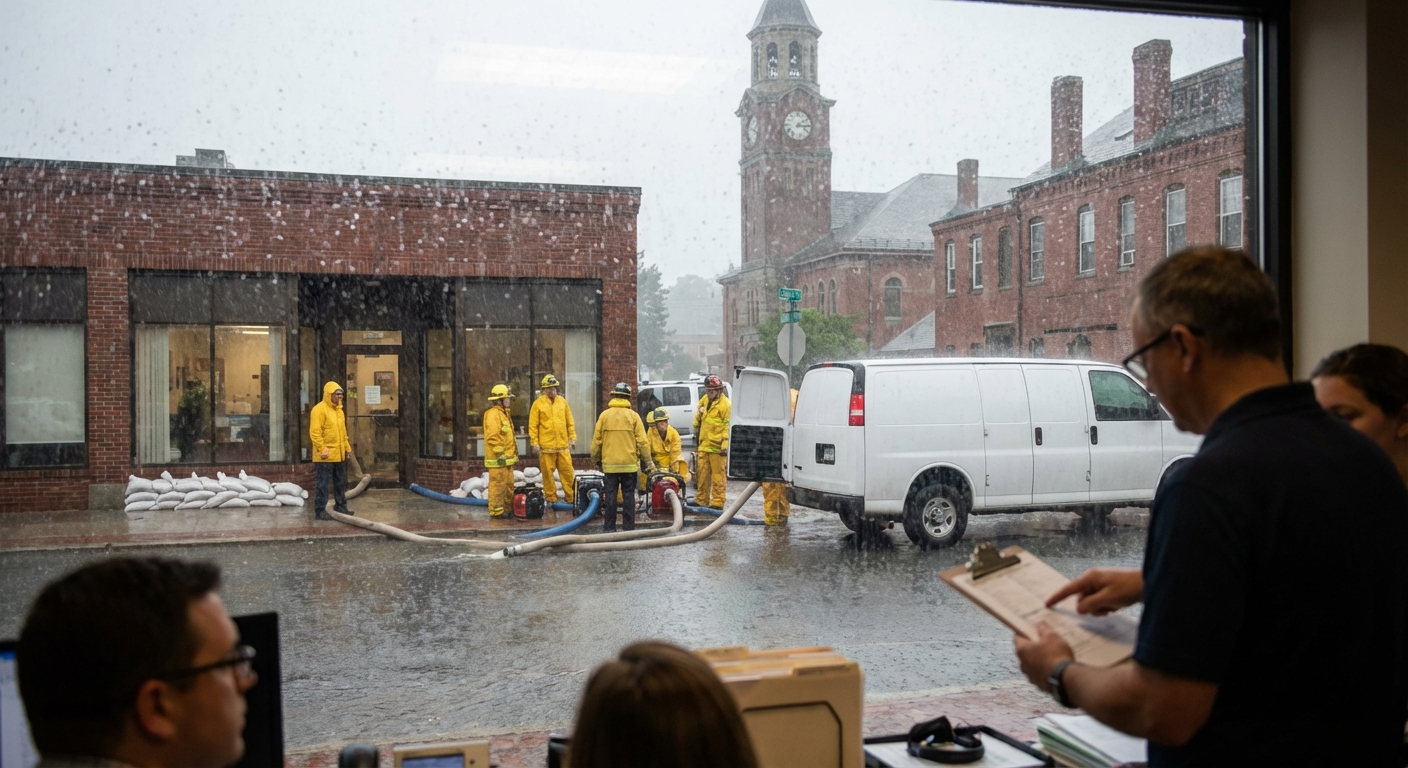
Your team is your first line of defense. If they don't know what to do when water starts pouring in, your plan is worthless. Train everyone on the basics: where the shutoffs are, how to kill power to affected areas, who to call, and when to evacuate. Make it part of onboarding and refresh it annually.
Communication is just as critical. Establish a notification system for emergencies—text chains, phone trees, whatever works for your operation. Employees need to know if the building is closed, if they should report to a different location, or if they're on standby. Customers and vendors need updates too. Silence creates chaos.
Documentation Saves You During Claims
When water damage hits, your insurance company will want proof. Lots of it. Photos, videos, receipts, maintenance records—everything that shows what you had, what you lost, and what you did to prevent it. Start documenting before the emergency. Keep an inventory of equipment and fixtures with serial numbers and purchase dates. Store it offsite or in the cloud.
After the damage, document everything again. Take photos from multiple angles. Record video walkthroughs. Save all invoices from restoration work. Track every expense related to the incident, including temporary relocation costs and lost revenue. The more detail you provide, the smoother your claim process will be.
Recovery Starts Before the Water Recedes
The moment you discover water damage, the clock starts. Contact your insurance company immediately—most policies require prompt notification. Then call your restoration team. While they're en route, do what you can to minimize damage: move inventory, shut off power to affected areas, and stop the water source if possible. But don't put yourself or your employees at risk. If the situation is dangerous, evacuate and let the professionals handle it.
Once the water is out, the real work begins. Restoration isn't just drying things out—it's assessing structural damage, testing for contamination, and rebuilding what can't be saved. A good restoration company will coordinate with your insurance adjuster, handle the heavy lifting, and keep you updated throughout the process. Professional disaster recovery services ensure your business gets back on track efficiently. Your job is to stay on top of the timeline, approve the work, and plan for reopening.
Preparation Pays Off When It Counts
Water damage emergencies don't announce themselves. They show up at 2 a.m. on a Sunday or during your busiest week of the year. If you're ready, you'll handle it. If you're not, you'll pay for it—in repairs, lost revenue, and stress you didn't need. We've worked with businesses that had their act together and others that didn't. The ones that survived and thrived were the ones that planned ahead, trained their teams, and built relationships with the right partners before the crisis hit. Don't wait for water to force your hand. Get your systems in place now, and you'll be the business that weathers the storm instead of drowning in it.
Let’s Safeguard Your Business Together
We know how overwhelming water damage can be for Massachusetts businesses, but you don’t have to face it alone. Let’s put a plan in place before disaster strikes, so you can focus on running your business with confidence. If you’re ready to take the next step, call us at 978-778-6676 or schedule an appointment and let’s make sure your business is prepared for anything.
‹ Back
Recent Posts
-
What Happens When Water Gets Behind Basement Walls in Framingham
September 10, 2026
-
Should Waltham Homeowners Replace Old Plumbing Before It Fails?
August 27, 2026
-
How Waterproofing Protects Lynn Homes Year Round
August 13, 2026
-
-