
Early Signs of Mold in Needham Before It Starts Spreading
Most homeowners think mold is just about visible patches. Black spots, green fuzz, done. But the reality is messier than that — and if you're not paying attention, you're already behind. Mold doesn't announce itself with fanfare. It creeps in quietly, settles into damp corners, and spreads before you even know it's there. Especially in a place like Needham, where humidity swings and older homes create perfect breeding grounds.
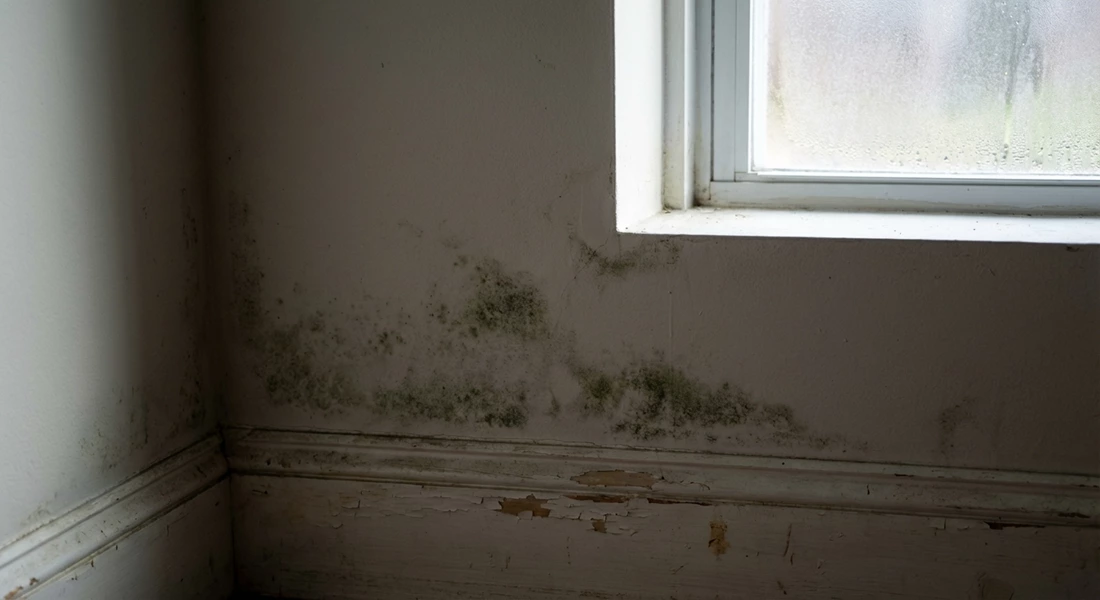
So here's what matters. If you're living in a property with any history of moisture issues, that's not ancient history. It's a ticking clock. Every damp basement corner should have your attention. Every musty smell needs investigation. And every early warning sign should be treated like what it is — a chance to stop the problem before it costs you thousands.
Catching It Before the Damage Compounds
Mold doesn't wait for permission. Once it finds moisture and a surface to latch onto, it multiplies fast. Within days, a small patch can become a full-blown infestation. And by the time you see it on the surface, there's often more hiding behind walls or under flooring. That's when mold damage restoration gets expensive, materials get ruined, and health complaints start piling up.
Early detection isn't just about saving money. It's about protecting your family from respiratory issues, allergic reactions, and long-term exposure risks. The sooner you spot the signs, the easier it is to contain. Wait too long, and you're not just cleaning — you're rebuilding.
The Smell That Won't Quit
One of the first red flags is a musty odor that lingers no matter how much you clean. It's earthy, damp, and unmistakable once you know what you're smelling. Basements, bathrooms, laundry rooms — these are the usual suspects. But don't ignore it if it shows up in a bedroom closet or behind a couch that sits against an exterior wall.
That smell means mold is already growing somewhere, even if you can't see it yet. And if it's strong enough to notice, it's strong enough to investigate. Don't mask it with odor removal products alone. Track it down.
Discoloration and Surface Changes
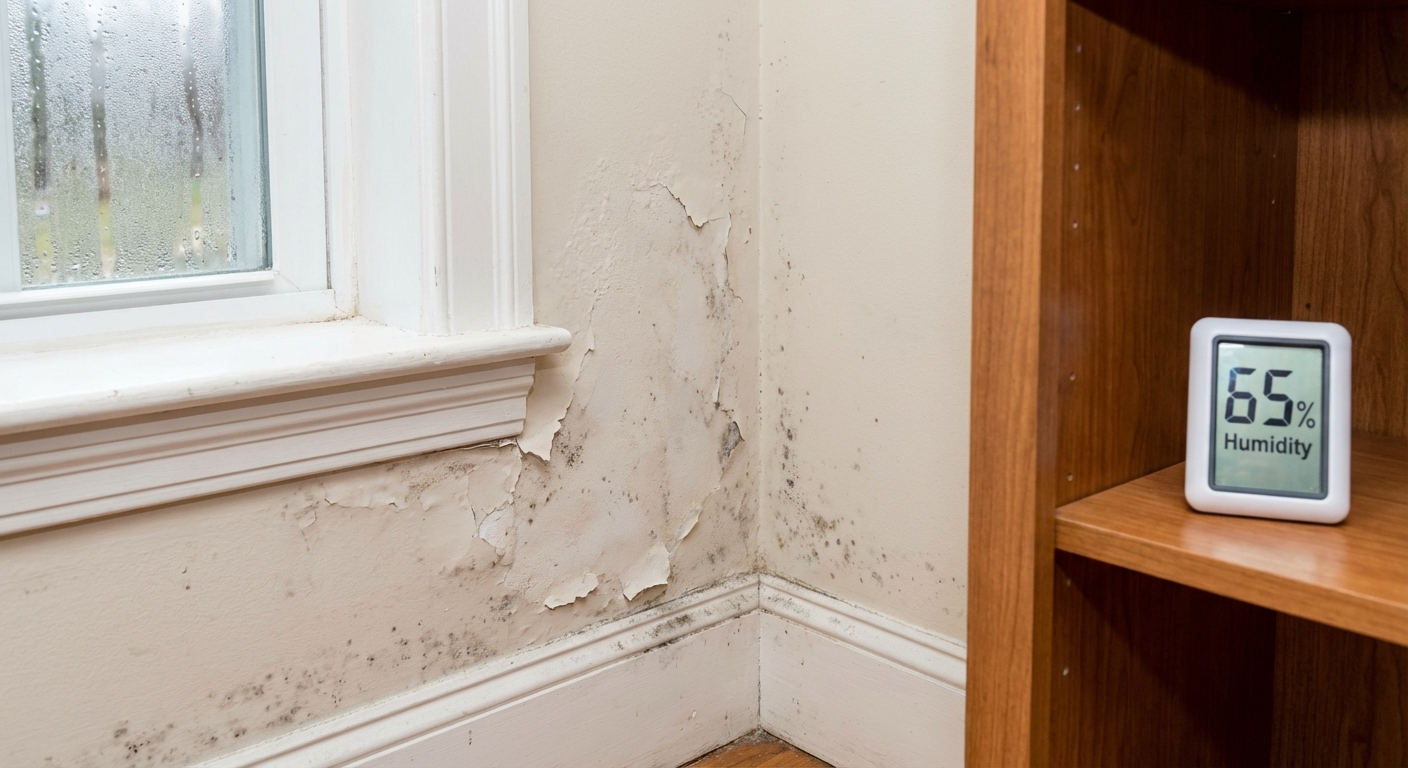
Mold often starts as small spots — black, green, white, even orange depending on the species. These spots tend to appear in areas where moisture collects: around windows, near plumbing fixtures, along baseboards, or on ceilings beneath bathrooms. At first, they might look like dirt or staining. But if wiping them down doesn't make them disappear, you're dealing with something alive.
Beyond visible spots, watch for changes in your walls and ceilings. Paint that bubbles or peels without an obvious cause usually means moisture is trapped underneath. Wallpaper that lifts at the seams or develops soft spots is another giveaway. These aren't cosmetic issues — they're structural warnings.
Condensation That Keeps Coming Back
If your windows fog up regularly, or you see water droplets forming on pipes and walls, that's a humidity problem. And humidity problems lead directly to mold. Needham's climate doesn't help — seasonal shifts bring moisture indoors, and older homes without proper ventilation trap it inside.
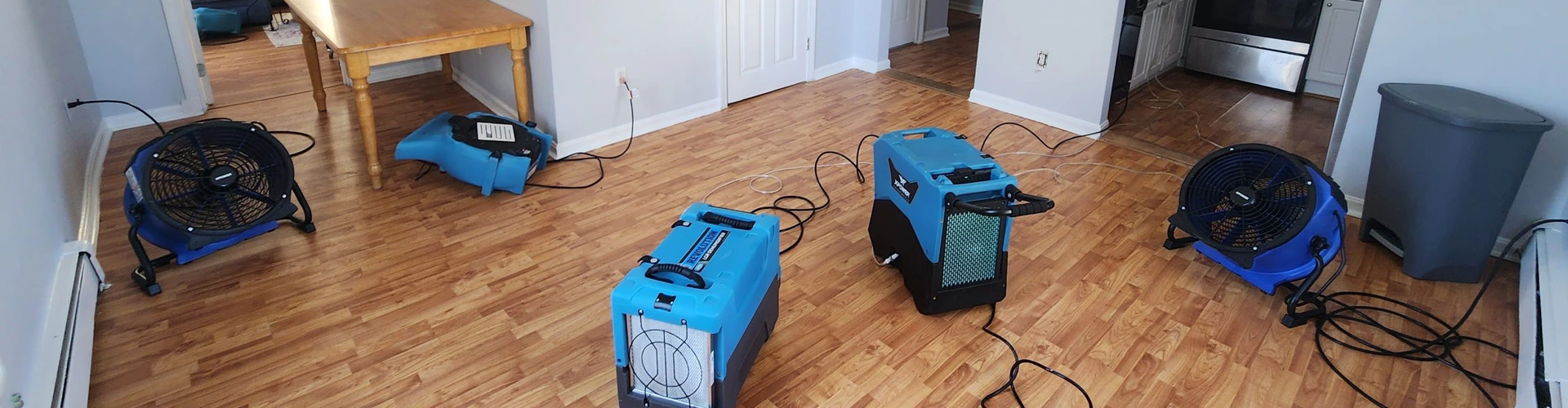
Condensation isn't just annoying. It's a preview of what's coming if you don't address airflow and moisture control. Dehumidifiers help. So does fixing leaks and improving ventilation in high-risk areas. But ignoring it guarantees mold will find a foothold.
Health Symptoms That Flare Up Indoors
Sometimes your body tells you there's mold before your eyes do. Unexplained allergy symptoms — sneezing, coughing, itchy eyes, skin irritation — that get worse at home and better when you leave are classic signs. Kids and people with asthma or compromised immune systems tend to react first, but anyone can be affected.
If multiple people in your household are experiencing similar symptoms without an obvious cause, mold exposure should be on your radar. It's not always the culprit, but it's common enough that ruling it out makes sense. Especially if the symptoms coincide with time spent in specific rooms.
What We Look For During Inspections
When we assess a property for early mold signs, we're checking more than what's visible on the surface. Here's what gets our attention:
- Musty or earthy odors that persist after cleaning
- Visible spots or discoloration on walls, ceilings, and floors
- Peeling, bubbling, or cracking paint and wallpaper
- Frequent condensation on windows, pipes, or walls
- Soft, warped, or crumbly drywall and wood surfaces
- Recent or past water leaks, flooding, or plumbing failures
Materials That Show Damage Early
Mold doesn't just stain surfaces — it breaks them down. Wood becomes soft and spongy. Drywall crumbles when you press on it. Insulation gets matted and discolored. These changes happen because mold feeds on organic materials, and once it starts, the degradation accelerates.
If you notice any structural changes — warping, sagging, or unusual texture — don't assume it's just age. Test the area for moisture. Check for hidden leaks. And if the damage is widespread, bring in a professional before it spreads further.
Steps to Take When You Spot the Signs
Catching mold early gives you options. Ignore it, and your options shrink fast. Here's what we recommend if you notice any warning signs:
- Identify and repair the moisture source immediately
- Increase ventilation with fans, dehumidifiers, and open windows
- Clean small, isolated spots with soap and water or diluted vinegar
- Wear gloves and a mask during any cleaning to avoid exposure
- Call a professional if the area is large, keeps returning, or you're unsure of the extent
Why DIY Doesn't Always Cut It
Small patches on a bathroom tile? Sure, you can handle that. But if mold covers more than a few square feet, or if it's in your HVAC system, behind walls, or under flooring, DIY becomes risky. You can spread spores while cleaning. You can miss hidden growth. And you can expose yourself to higher concentrations than you realize.
Professional remediation isn't just about scrubbing harder. It's about containment, air filtration, proper removal, and treating the source so it doesn't come back. If you're dealing with anything beyond surface-level mold, the cost of doing it right is almost always less than the cost of doing it twice.
Prevention Tactics That Actually Work
Stopping mold before it starts is cheaper and easier than fighting it after the fact. We've seen too many properties where a little prevention would have saved thousands in remediation costs. Here's what works:
- Inspect your home regularly for leaks, especially around plumbing and roofing
- Keep indoor humidity below 60% using dehumidifiers and proper ventilation
- Run exhaust fans in bathrooms and kitchens during and after use
- Fix leaks and water damage within 24 to 48 hours
- Clean gutters and downspouts to prevent water from pooling near your foundation
High-Risk Areas in Needham Homes
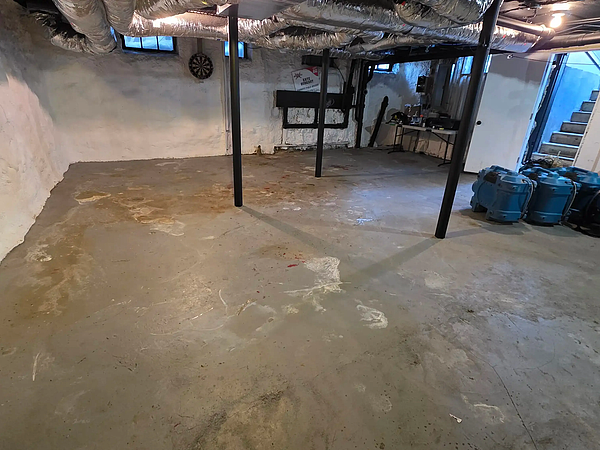
Not all spaces are created equal when it comes to mold risk. Basements top the list, especially in older Needham homes where foundation cracks and poor drainage are common. Bathrooms without exhaust fans or windows come next. Attics with roof repair replacement needs or inadequate insulation are another hotspot. And crawl spaces with dirt floors or standing water are basically mold factories.
If your property has any of these features, they deserve extra attention. Monthly checks, moisture meters, and proactive repairs go a long way. Waiting until you see visible mold means you've already lost time.
When to Call In the Pros
If you're seeing multiple warning signs, if the mold keeps coming back after cleaning, or if you're dealing with a large area, it's time to bring in a remediation team. We help property owners in Needham identify the scope of the problem, eliminate the mold safely, and address the underlying moisture issues so it doesn't return.
Here's what professional remediation covers:
- Thorough inspection to find visible and hidden mold
- Containment to prevent spores from spreading during removal
- Safe removal using HEPA filtration and proper protective equipment
- Treatment of affected materials and surfaces
- Moisture control and prevention strategies to stop future growth
Documentation Protects You Later
If you're dealing with mold and you think insurance might cover it, document everything. Take photos of the damage, keep records of when you first noticed the problem, and save receipts for any repairs or inspections. Insurance companies want proof that the mold resulted from a covered event, not long-term neglect.
Even if you're not filing a claim, documentation helps if you ever sell the property. Buyers and inspectors will ask about past mold issues, and having a clear record of how it was handled shows you took it seriously.
Staying Ahead of the Problem
Mold doesn't give you a grace period. It moves fast, hides well, and costs more the longer you wait. But it also leaves clues — smells, stains, condensation, health symptoms — that give you a window to act. We've worked with enough homeowners to know that the ones who catch it early save themselves headaches, money, and health risks down the line. If you're dealing with water damage restoration needs or suspect hidden moisture problems, addressing them quickly prevents mold from taking hold.
If you're noticing any of the signs we've covered, don't wait for confirmation. Investigate now. Fix the moisture source. Clean what you can. And call in help when the problem is bigger than a surface wipe-down. Mold doesn't get better on its own, but it does get worse. Fast.
Let’s Protect Your Home Together
We know how stressful it can be to spot the early signs of mold, but you don’t have to handle it alone. Let’s work together to keep your Needham home safe, healthy, and mold-free. If you’re ready for a professional inspection or need expert remediation, give us a call at 978-778-6676. When you’re ready to take the next step, schedule an appointment and let’s get your home back on track.
‹ Back
Recent Posts
-
What Causes Basement Mold Problems in Carlisle City?
September 24, 2026
-
What Happens When Water Gets Behind Basement Walls in Framingham
September 10, 2026
-
Should Waltham Homeowners Replace Old Plumbing Before It Fails?
August 27, 2026
-
How Waterproofing Protects Lynn Homes Year Round
August 13, 2026
-