
Is Water Damage in Natick Getting Worse After Each Storm?
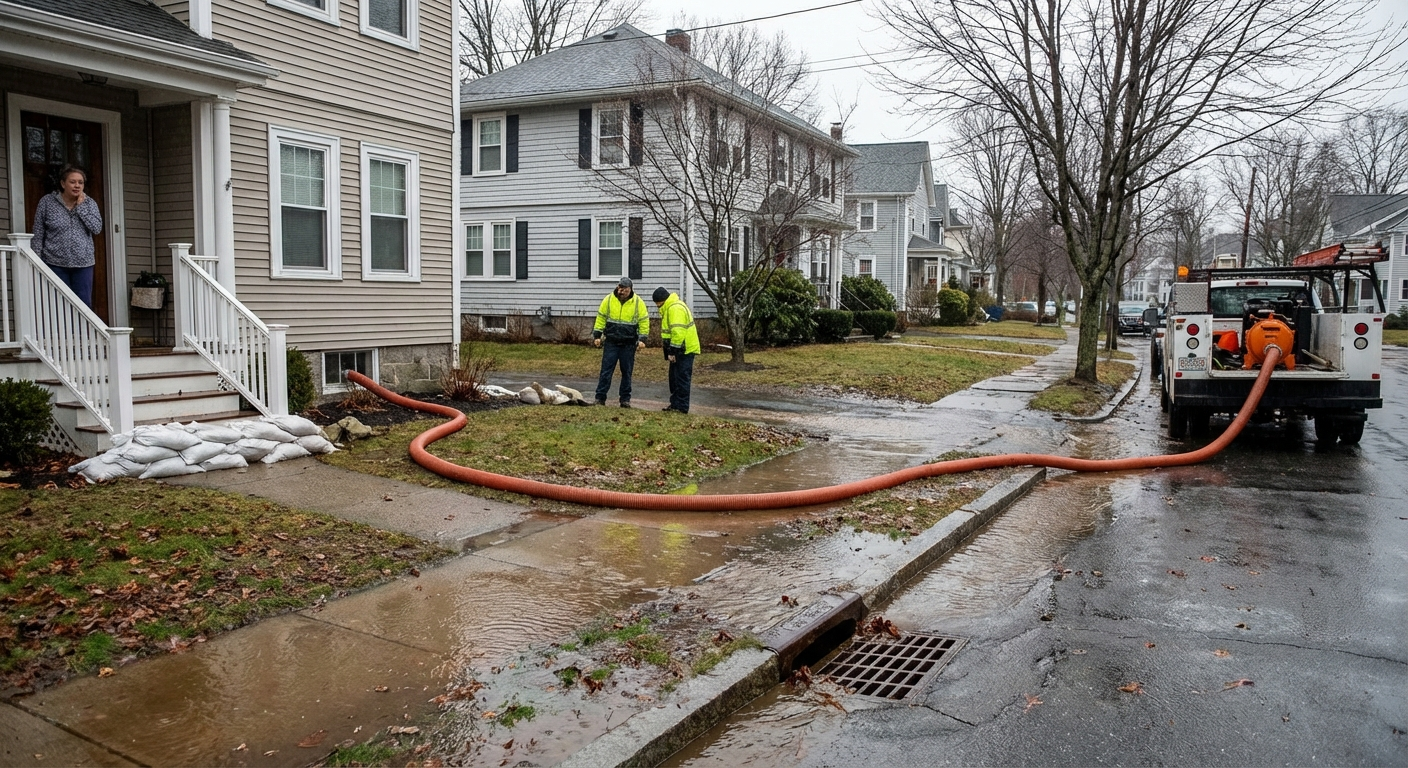
Property owners across Natick have been watching the same pattern unfold for years now. Storm rolls through, water shows up where it shouldn't, and the cleanup gets harder every time. Basements that stayed dry for decades are suddenly taking on water. Streets that used to drain fine are now mini rivers. And the question isn't whether it's happening — it's why it keeps getting worse.
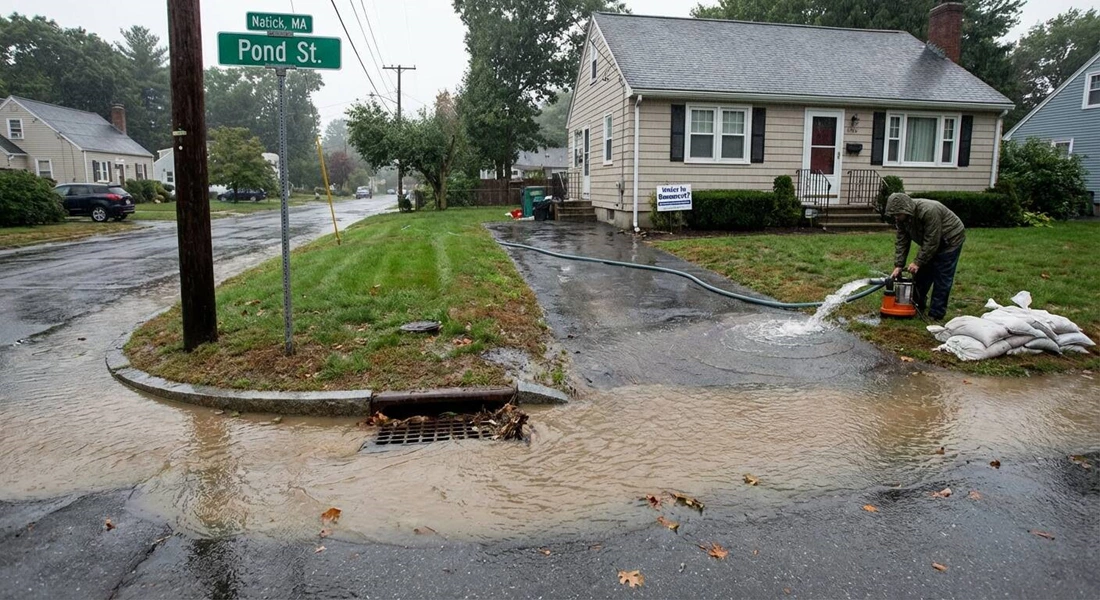
The answer isn't simple. But it's not a mystery either. Between shifting weather, outdated infrastructure, and the way we've built up the town, Natick is dealing with a perfect storm of factors that make every rainfall event more damaging than the last. If you own property here, you've probably already felt it. And if you haven't, you're not immune.
Storms Are Hitting Harder and Faster
New England weather has always been unpredictable. But the data shows something different now — storms are delivering more rain in shorter windows. The National Weather Service has tracked a clear uptick in annual rainfall across the region, and much of it comes in bursts. That means flash flooding, overwhelmed drains, and water that doesn't have time to soak in or move through the system.
Natick sits right in the middle of this shift. Neighborhoods that never had flooding issues are now dealing with pooling water after moderate storms. Streets that handled runoff just fine a decade ago are backing up. And homes that were considered safe are suddenly at risk. The storms aren't just more frequent — they're more intense, and the town's infrastructure wasn't built for this kind of volume.
Pavement and Development Changed the Game
Every new parking lot, every expanded road, every commercial building adds more impervious surface to the landscape. That means less ground for water to soak into and more runoff heading straight into storm drains. When those drains can't keep up, the water has nowhere to go but into basements, crawl spaces, and low-lying streets.
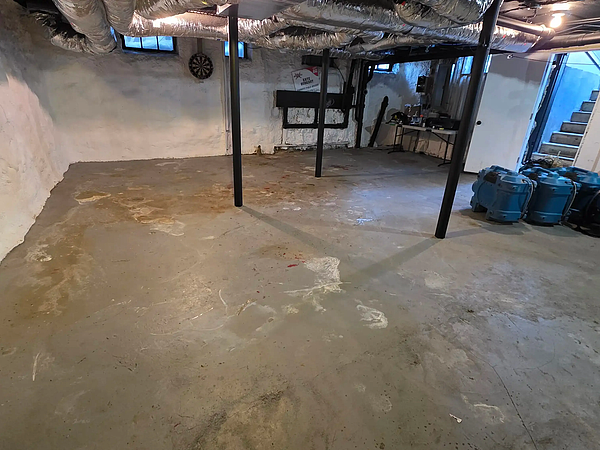
Older parts of Natick are especially vulnerable. The drainage systems in those areas were designed decades ago, when the town was smaller and storms were less severe. Now they're being asked to handle double or triple the load, and they're failing. Even a moderate rainstorm can cause significant water intrusion in homes that were bone-dry for generations.
What It Costs When Water Wins
Water damage isn't just an inconvenience. It's expensive, disruptive, and often recurring. Homeowners are dealing with ruined flooring, damaged foundations, and mold damage that spreads faster than most people realize. Personal belongings get destroyed. Repairs pile up. And property values take a hit when a home has a history of flooding.
Businesses aren't spared either. Water can shut down operations, ruin inventory, and cost thousands in lost revenue. Insurance companies are starting to push back too — premiums are climbing, and some properties are becoming harder to insure altogether. If your address has flooded more than once, expect the underwriters to notice.
The Town Is Trying to Catch Up
Natick officials and local organizations are aware of the problem, and they're working on solutions. Stormwater management upgrades are in progress, and there's a push for more permeable surfaces and rain gardens to help absorb runoff. Public education campaigns are encouraging residents to maintain their gutters, test their sump pumps, and report clogged drains.
But infrastructure upgrades take time and money. In the meantime, property owners are left managing the risk on their own. The town can't fix every basement or reroute every street overnight, so individual action matters more than ever.
Steps You Can Take Right Now
Waiting for the town to solve the problem isn't a strategy. There are practical steps every property owner can take to reduce their exposure and protect their investment. Some are simple maintenance tasks. Others require a bit more planning. But all of them make a difference when the next storm hits.
- Keep gutters and downspouts clear so water flows away from your foundation, not toward it.
- Install and test a sump pump before storm season — waiting until water's in the basement is too late.
- Seal foundation cracks and basement walls to block seepage before it starts.
- Use landscaping to redirect water — rain gardens and French drains can handle runoff that would otherwise pool near your home.
- Store valuables off the floor or in waterproof containers, especially in basements and crawl spaces.
Insurance and Documentation Matter More Than Ever
If you've had water damage before, your insurer is already watching. If you haven't, don't assume you're covered for everything. Flood insurance is separate from standard homeowners policies, and many people don't realize they need it until it's too late. Review your coverage now, not after the storm.
Documentation is your best defense if you ever need to file a claim. Take photos of your property before and after storms. Keep receipts for repairs and upgrades. Track maintenance on sump pumps, drainage systems, and waterproofing. If the insurance company questions your claim, you'll need proof that you took reasonable steps to protect your property.
- Review your homeowners policy to understand what's covered and what's not.
- Consider adding flood insurance if you're in a high-risk area or have a history of water intrusion.
- Document all repairs, upgrades, and maintenance with photos and receipts.
- Report damage immediately after a storm — delays can complicate claims.
- Work with contractors who understand local building codes and insurance requirements.
What Happens If You Ignore It
Ignoring water damage doesn't make it go away. It makes it worse. Mold spreads. Foundations weaken. Wood rots. Electrical systems corrode. And every storm adds another layer of damage on top of what's already there. By the time most people realize how bad it's gotten, the repair bill has multiplied.
The other risk is resale value. Buyers and their inspectors will find signs of hidden water damage, even if you've cleaned it up. If you don't disclose it, you're opening yourself up to legal trouble. If you do disclose it, expect lower offers and more scrutiny. Either way, unresolved water issues cost you money.
- Mold can develop within 24 to 48 hours of water exposure.
- Foundation damage from repeated flooding can compromise structural integrity.
- Electrical systems exposed to water pose fire and shock hazards.
- Undisclosed water damage can lead to lawsuits from buyers after closing.
- Homes with flooding history sell for less and take longer to move.
Long-Term Solutions Require Community Action
Individual efforts help, but they're not enough to solve the bigger problem. Natick needs infrastructure upgrades, better stormwater management, and smarter development policies. That means funding, planning, and political will. It also means residents staying engaged with town meetings, supporting bond measures for drainage projects, and holding officials accountable for long-term solutions.
Climate change isn't slowing down, and neither are the storms. If Natick doesn't invest in resilience now, the cost will only climb. Every delayed upgrade means more homes flooded, more businesses disrupted, and more taxpayer money spent on emergency response instead of prevention.
- Attend town meetings to stay informed about infrastructure projects and funding.
- Support bond measures and initiatives that address stormwater management.
- Advocate for smarter development policies that prioritize drainage and green space.
- Participate in community clean-up efforts to keep waterways and drains clear.
- Hold local officials accountable for long-term planning and climate resilience.
The Pattern Is Clear
Water damage in Natick is getting worse after each storm. The evidence is in the flooded basements, the backed-up streets, and the rising insurance premiums. Climate change, development, and aging infrastructure have created a situation where every rainfall event carries more risk than the last. Property owners who take action now — through maintenance, upgrades, and documentation — will fare better than those who wait. Professional water damage restoration services can help address existing issues, while storm damage restoration specialists can repair structural problems caused by severe weather. For properties dealing with basement flooding, immediate action is critical to prevent long-term damage. Nearby communities like Newton and Waltham are experiencing similar challenges. But real, lasting solutions require the whole community to push for infrastructure investment and smarter planning. The storms aren't going to ease up. The question is whether Natick will be ready for the next one.
Let’s Protect Your Natick Property Together
We know how stressful it is to watch water damage get worse with every storm. That’s why we’re here to help you safeguard your home or business before the next rainfall hits. If you’re ready to take action, give us a call at 978-778-6676 or schedule an appointment and let’s get your property prepared for whatever the weather brings next.
‹ Back
Recent Posts
-
Signs Water Damage in Billerica Needs Professional Help
October 8, 2026
-
What Causes Basement Mold Problems in Carlisle City?
September 24, 2026
-
What Happens When Water Gets Behind Basement Walls in Framingham
September 10, 2026
-
Should Waltham Homeowners Replace Old Plumbing Before It Fails?
August 27, 2026
-
How Waterproofing Protects Lynn Homes Year Round
August 13, 2026