
Fire Damage Cleanup in Northeastern Massachusetts That Many Homeowners Miss
Most homeowners think fire cleanup is about what they can see. Charred walls, burnt furniture, visible ash. But the real damage runs deeper than that — and if you're not looking for it, you're setting yourself up for problems down the road. Smoke doesn't just stain surfaces. It infiltrates. Water from hoses doesn't just evaporate. It soaks in. And the longer you wait to address what's hidden, the worse it gets.
So here's what matters. If you've had a fire, you need more than a mop and some paint. You need a full sweep — one that covers the places most people forget to check. Every corner should be inspected. Every material should be tested. And every decision about what stays or goes should be grounded in safety, not sentiment.
Soot Hides Where You're Not Looking
Soot doesn't just sit on countertops. It travels through vents, settles behind trim, and coats the inside of light fixtures. We've seen it cake up inside electrical boxes and HVAC ducts — places homeowners never think to check. And when it stays there, it keeps releasing particles into the air. That's not just a smell problem. That's a respiratory risk.
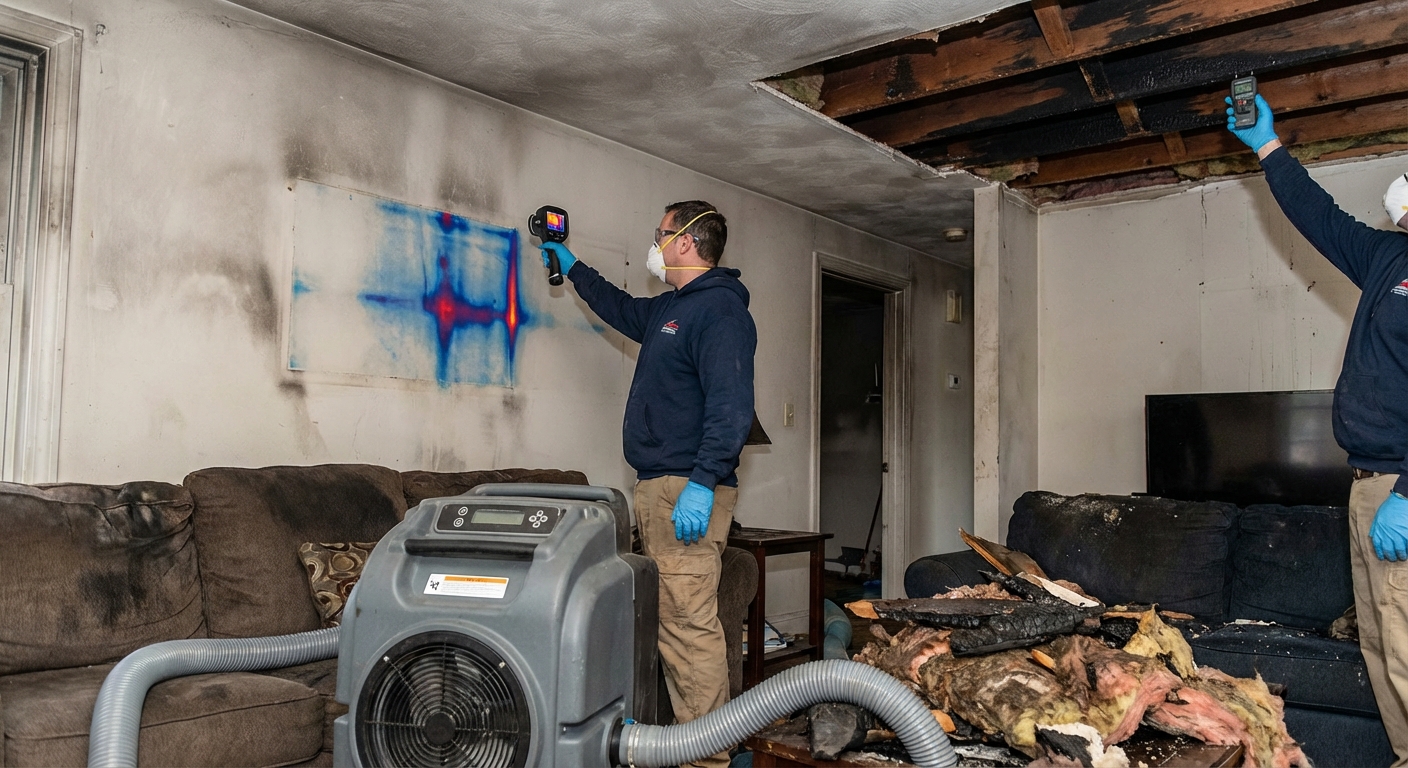
Professional crews use thermal imaging and air scrubbers to track down residue you'd never spot on your own. If you're wiping down walls but ignoring what's behind them, you're only halfway done. The cleanup has to go deeper than what's visible, or the damage lingers.
Water Damage Doesn't Announce Itself
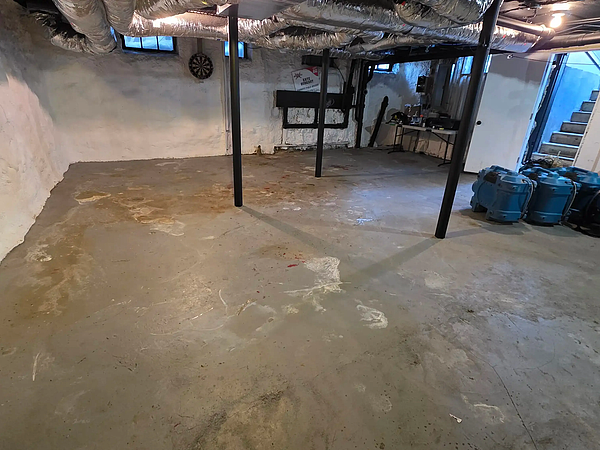
Firefighters dump thousands of gallons to kill the flames. That water doesn't disappear. It seeps into subflooring, insulation, and wall cavities. And if it's not dried out fast, mold starts growing within 48 hours. Most homeowners focus on the burn marks and miss the moisture creeping through their structure.
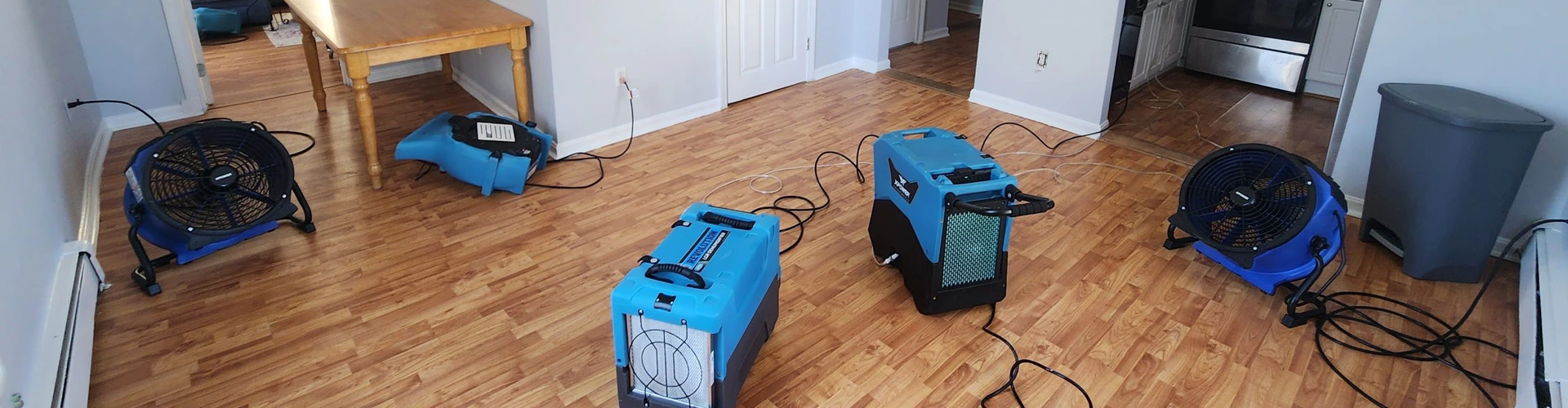
You'll need industrial dehumidifiers and moisture meters to confirm everything's dry. Skipping this step is one of the fastest ways to trade fire damage for mold damage restoration needs. Both are expensive. Both are avoidable if you act early.
Soft Materials Trap Smoke for Months
Carpets, drapes, upholstery — they all absorb smoke like sponges. You can vacuum them, spray them, air them out, and they'll still smell like a campfire. That's because the odor molecules bond to the fibers. Surface cleaning won't cut it.
Here's what actually works:
- Ozone treatments that break down odor molecules at the source
- Thermal fogging to neutralize embedded smoke particles
- Professional laundering with enzyme-based cleaners
- Replacement of items too saturated to salvage
- Sealing porous surfaces that can't be fully cleaned
If you're trying to mask the smell with candles or sprays, you're wasting time. The odor won't fade on its own. It has to be chemically neutralized or physically removed through odor removal services.
Structural Damage Hides Behind Drywall
Heat doesn't just scorch what you see. It weakens beams, studs, and joists behind the walls. Wood can char internally without showing obvious signs from the outside. And if those supports are compromised, you're looking at a safety hazard that won't reveal itself until something shifts or sags.
A proper inspection includes opening up walls and checking the framework. If the structure's been weakened, it needs to be reinforced or replaced. Skipping this step because everything looks fine from the living room is a gamble you don't want to take.
Electrical Systems Take Invisible Hits
Wiring can melt, short out, or degrade from heat exposure — even if the breaker box still works. Outlets might look fine but have internal damage that increases fire risk. And if insulation around wires has been compromised, you're one power surge away from another disaster.
Here's what needs to happen:
- Full electrical inspection by a licensed professional
- Replacement of any damaged wiring or outlets
- Testing of circuit breakers and panel integrity
- Verification that everything meets current code standards
- Documentation of repairs for insurance and resale purposes
Don't assume the lights turning on means the system's safe. Get it checked. Get it documented. Get it fixed if needed.
Personal Items Absorb More Than You Think
Books, toys, documents, clothing — they all look fine until you realize they've been sitting in smoke for hours. Porous materials soak up contaminants that can't be wiped away. And if those items are used again without proper cleaning, they bring toxins back into your daily life.
Some things can be restored with ultrasonic cleaning or specialized treatments. Others need to be tossed. It's not about being wasteful. It's about not exposing your family to lingering hazards because something looked okay on the surface.
Attics and Crawl Spaces Get Forgotten
Smoke rises. Water drips. Both end up in places you don't visit often — attics, basements, crawl spaces. And because they're out of sight, they're out of mind during cleanup. But if soot and moisture are left to sit in those areas, you're inviting mold, pests, and persistent odors that seep into the rest of the house.
A full cleanup covers every level of the structure. Not just the rooms you live in. If the fire touched any part of your home, the inspection should too.
What Gets Missed Costs More Later
Skipping steps during fire cleanup doesn't save time. It just delays the real work. Mold remediation costs more than drying out water damage restoration early. Replacing a weakened beam costs more than reinforcing it during the initial repair. And dealing with ongoing health issues from lingering smoke costs more than hiring a pro to do it right the first time.
Here's what a thorough cleanup should include:
- Thermal imaging to detect hidden heat damage
- Moisture mapping to track water infiltration
- Air quality testing to confirm contaminants are gone
- Structural inspection to identify compromised supports
- Electrical review to rule out fire hazards
If your cleanup checklist doesn't cover all of that, you're leaving gaps. And gaps turn into problems.
When DIY Stops Being Smart
You can handle surface cleaning. You can toss burnt furniture. But if you're dealing with hidden soot, structural concerns, or contaminated materials, that's when you need professionals. They have the tools to find what you can't see and the training to handle what you shouldn't touch.
A restoration team helps you:
- Identify damage in hidden areas like ducts and wall cavities
- Remove contaminants safely without spreading them further
- Dry out moisture before mold takes hold
- Restore or replace items based on safety, not sentiment
- Document everything for insurance claims and future buyers
It's not just about getting your house back. It's about making sure it's safe to live in again.
Cleanup That Actually Covers Everything
Fire damage in Northeastern Massachusetts isn't just about what burned. It's about what got soaked, what got contaminated, and what got weakened. The homeowners who recover fastest are the ones who don't assume the obvious damage is the only damage. They check behind walls. They test the air. They bring in pros when the scope gets serious.
There's no shortcut to a safe home after a fire. But there is a clear path — and it starts with knowing what to look for. If you've had a fire, don't stop at what you can see. Go deeper. Check harder. And make sure the cleanup actually finishes the job with professional fire damage restoration services. For comprehensive support across all restoration needs, explore our full range of restoration services or contact us to schedule an assessment.
Let’s Restore Your Peace of Mind
We know how overwhelming fire damage can be, but you don’t have to face the cleanup alone. Let’s make sure every hidden risk is handled and your home is truly safe again. If you’re ready to take the next step, call us at 978-778-6676 or schedule an appointment and let’s get your home back to normal together.
‹ Back
Recent Posts
-
Signs Water Damage in Billerica Needs Professional Help
October 8, 2026
-
What Causes Basement Mold Problems in Carlisle City?
September 24, 2026
-
What Happens When Water Gets Behind Basement Walls in Framingham
September 10, 2026
-
Should Waltham Homeowners Replace Old Plumbing Before It Fails?
August 27, 2026
-
How Waterproofing Protects Lynn Homes Year Round
August 13, 2026