
Where Water Leaks Most Often Begin in Northeastern Massachusetts Homes
Most homeowners think water damage just happens. One day everything's fine, the next there's a stain on the ceiling or a puddle in the basement. But leaks don't appear out of nowhere — they start small, in predictable places, and they grow when nobody's paying attention. In Northeastern Massachusetts, where freeze-thaw cycles hit hard and older homes dominate the landscape, knowing where water sneaks in isn't optional. It's survival.
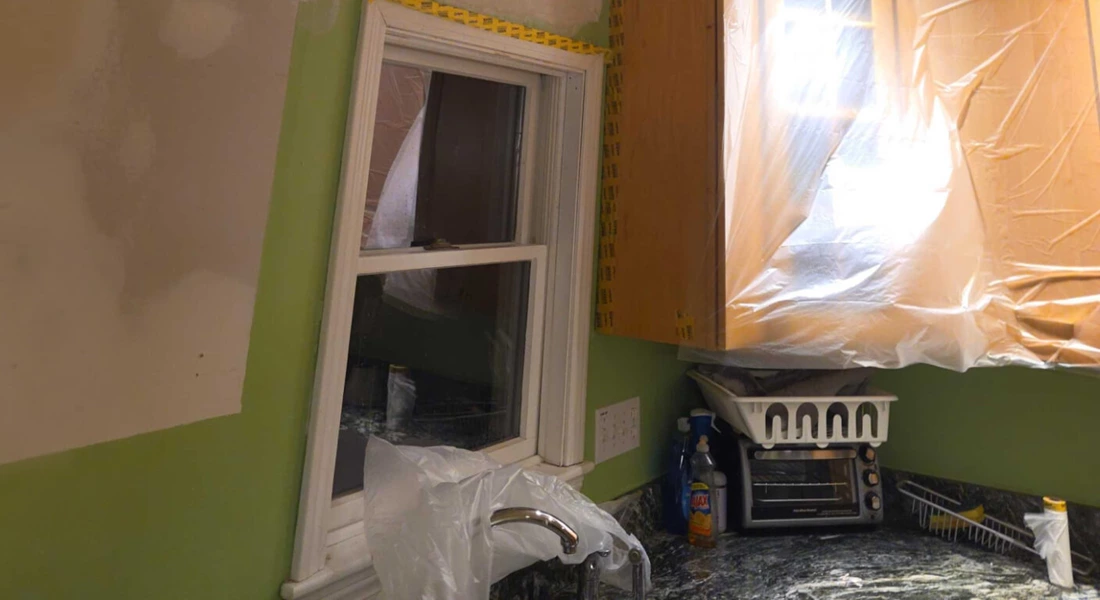
We've seen it play out a thousand times. A slow drip behind a wall. A crack that widens every winter. A gutter that backs up just enough to rot the fascia. These aren't freak accidents — they're patterns. And if you're not checking the usual suspects, you're setting yourself up for expensive surprises. Every leak leaves a trail. Every weak point has a tell. And every homeowner who catches it early saves themselves a world of headaches.
The Roof Takes the Beating
Your roof isn't just sitting there looking pretty. It's absorbing snow, shedding ice, and deflecting rain that comes in sideways during nor'easters. Shingles crack. Flashing pulls away from chimneys and vents. Gutters clog and force water back under the edge. When that happens, the attic becomes ground zero.
Walk up there once in a while. Look for dark spots on the wood. Check if the insulation feels damp or smells off. Mold doesn't wait for permission, and neither does rot. If you're seeing water stains on your ceiling below, the damage upstairs is already worse than you think. Don't wait for a storm to remind you the roof exists.
Ice Dams Turn Winter Into a Leak Factory
Winter in Northeastern Massachusetts doesn't just bring snow — it brings ice dams, and they're one of the most destructive sources of water damage you'll face. When heat escapes through your roof, it melts snow that refreezes at the eaves. That ice builds up, blocks drainage, and forces water back under your shingles. From there, it seeps into the roof deck, drips into your attic, and eventually shows up as stains on your ceiling or walls.
Ice dams don't care how new your roof is. They exploit weak insulation, poor ventilation, and clogged gutters. By the time you see icicles hanging off your roof edge, the damage inside may already be underway. Check your attic for wet insulation or dark streaks on the wood after a heavy snow. Look for water stains on exterior walls near the roofline. If you're dealing with recurring ice dams, the problem isn't just the ice — it's what's letting heat escape in the first place.
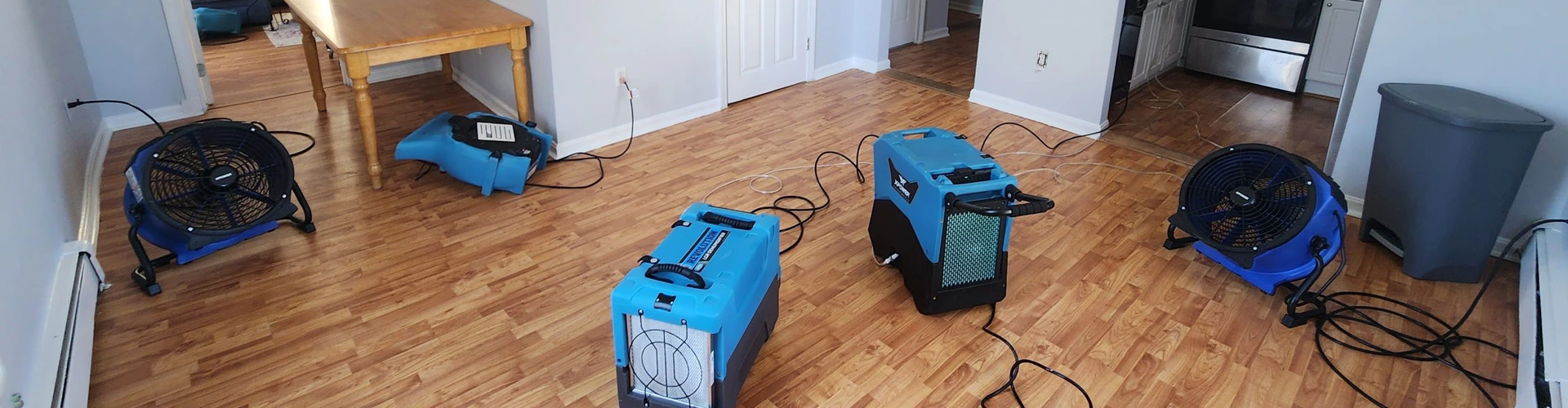
We handle both sides of ice damage. Inside, we track down the water, dry out the affected areas, and repair the damage to ceilings, walls, and insulation. Outside, we fix the roofing leaks caused by ice infiltration, replace damaged shingles, and address the underlying issues that let ice dams form. Ignoring ice damage doesn't make it go away — it just gives it more time to rot your roof deck and soak your home. Catch it early, fix it right, and winterize your attic so it doesn't happen again.
Foundations Crack Under Pressure
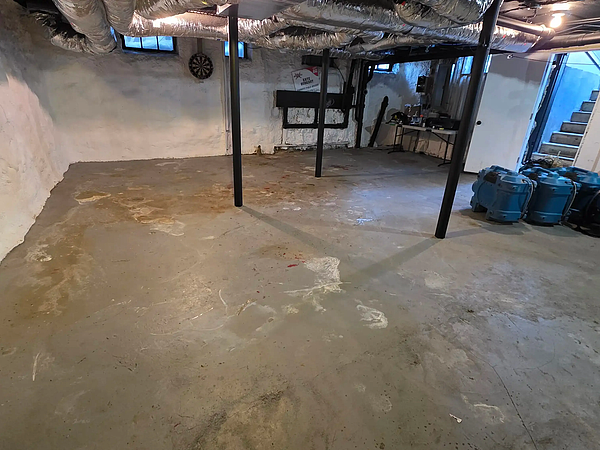
Basements in this region aren't just storage — they're battlegrounds. Groundwater rises. Soil shifts. Concrete develops hairline fractures that widen every time the temperature swings. Add poor grading or clogged downspouts, and you've got water pooling right where it shouldn't be.
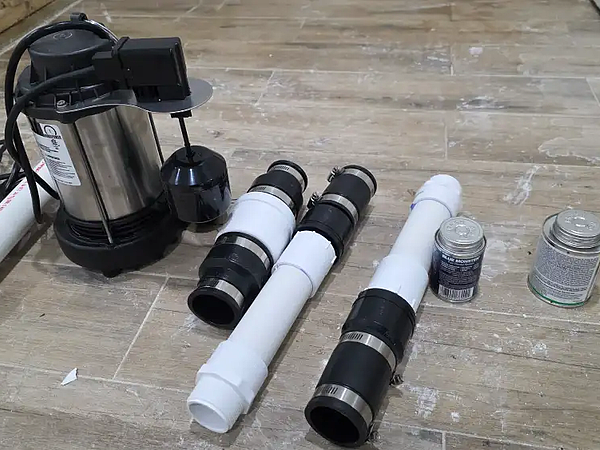
Check your basement walls after heavy rain or snowmelt. That white chalky stuff? That's efflorescence, and it means water's been pushing through. Puddles on the floor aren't normal. Damp corners aren't quirks. They're warnings. Fix the grading outside, seal the cracks inside, and make sure your sump pump isn't just decoration.
Bathrooms and Kitchens Hide the Slow Ones
These rooms pack more plumbing into a few square feet than anywhere else in the house. Sinks, toilets, tubs, dishwashers, refrigerators — every connection is a potential weak spot. Seals wear out. Pipes corrode. Fittings loosen. And because most of it's hidden under cabinets or behind walls, you don't notice until the damage spreads.
Get in the habit of opening those cabinet doors and looking around. Feel for moisture. Sniff for that musty smell that means something's been wet for a while. If the floor feels soft near the toilet or the drywall behind the shower is discolored, you've got a problem that's been brewing. Catch it now, or pay for it later.
Pipes Age Faster Than You Think
Galvanized steel. Old copper. PVC that's been in place since the '80s. None of it lasts forever, and all of it fails eventually. Joints corrode. Valves seep. Freezing temps cause bursts that flood entire floors. The worst part? Most of these leaks happen inside walls or under floors, so by the time you see the stain, the damage is done.
Watch your water bill for unexplained spikes. Listen for the sound of running water when nothing's on. Look for discoloration on ceilings and walls, especially near bathrooms or the kitchen. If you're in an older home, consider having a plumber inspect the system before winter hits. Prevention beats emergency repairs every time.
Windows and Doors Let More Than Air Through
Caulking dries out. Weatherstripping compresses. Wood frames swell and shrink with the seasons. When seals fail, wind-driven rain finds its way in — not in a dramatic flood, but in a slow, steady trickle that rots the frame from the inside out.
Look for peeling paint around windows and doors. Check if the wood feels soft or looks warped. Water stains on the sill or the wall below are dead giveaways. Resealing is cheap and easy. Replacing a rotted frame because you ignored it for five years? Not so much.
Siding and Exterior Walls Take the Hit
Your home's exterior is constantly under assault. Rain, snow, wind, UV — it all adds up. Siding cracks. Gaps open up around trim. Wood rots. Vinyl warps. And when water gets behind the siding, it doesn't just sit there. It soaks into the sheathing, the insulation, the studs. By the time you notice interior damage, the exterior's been compromised for months.
Walk the perimeter of your house a couple times a year. Look for loose or missing siding. Check caulking around windows, doors, and corners. If you've got wood siding, watch for soft spots or discoloration. Catching exterior damage early keeps it from becoming an interior disaster.
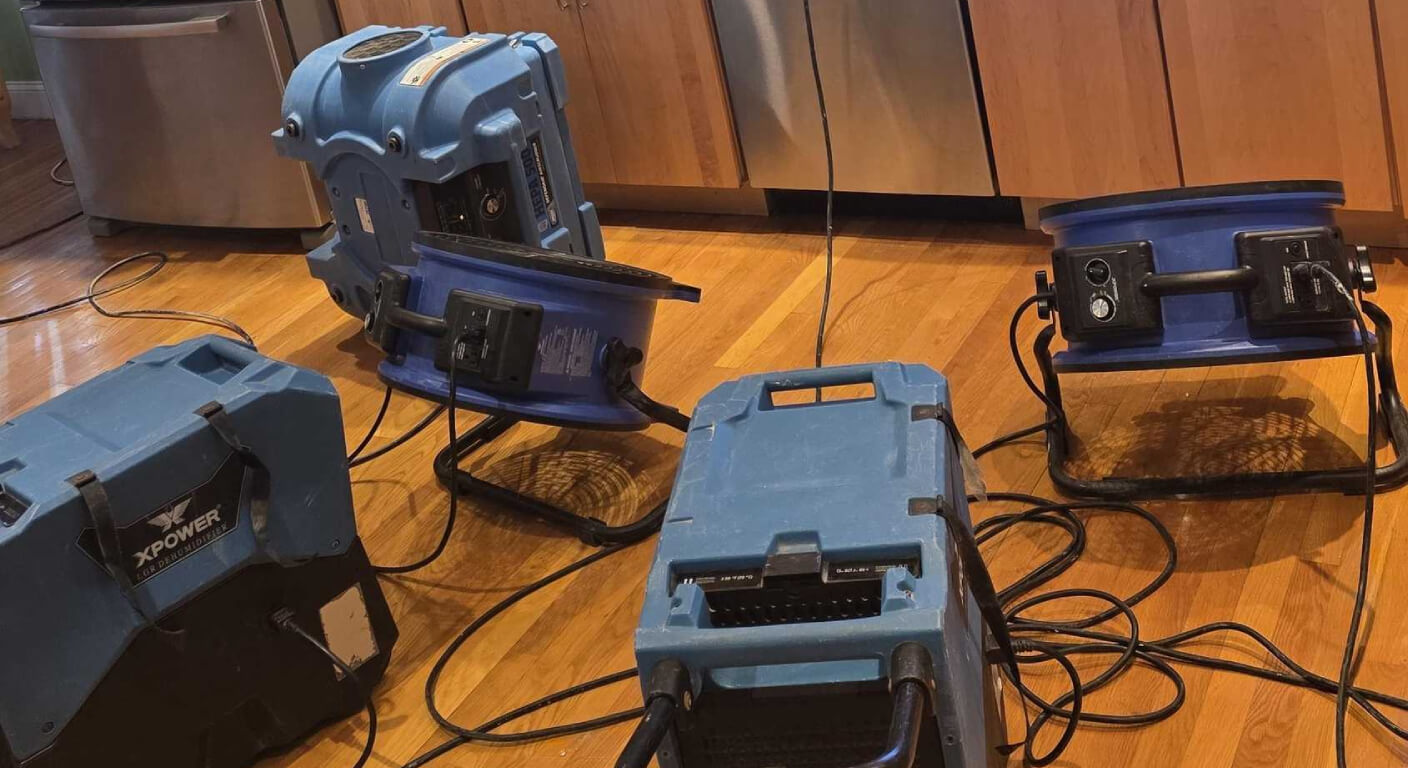
Laundry Rooms and Water Heaters Don't Get Enough Attention
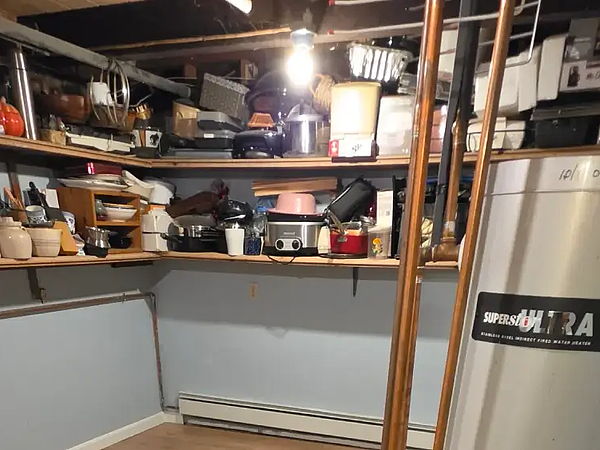
Washing machine hoses crack. Water heaters rust out. Both can dump gallons of water onto your floor in minutes, and most people don't check them until it's too late. These appliances work hard, and they don't last forever. Rubber hoses degrade. Tanks corrode. Connections loosen.
Inspect your washing machine hoses every year. If they're rubber, replace them with braided stainless steel. Check the floor around your water heater for rust, moisture, or pooling water. If the tank's more than ten years old, start planning for a replacement. Waiting for it to fail is a gamble you'll lose.
Spotting Trouble Before It Spreads
Leaks don't announce themselves with sirens. They start small — a drip, a damp spot, a faint smell. But small problems compound fast, especially in a climate that swings from freezing to thawing and back again. Regular inspections aren't paranoia. They're smart maintenance.
Here's what to watch for:
- Water stains on ceilings, walls, or floors
- Musty odors in basements, bathrooms, or closets
- Peeling paint or warped wood around windows and doors
- Soft or spongy spots on floors or walls
- Unexplained spikes in your water bill
If you're seeing any of these signs, don't wait. Track down the source, or bring in someone who can. Water damage doesn't pause while you think it over.
Tools That Make Detection Easier
You don't need to be a plumber to catch leaks early. A few simple tools can give you a serious edge. Water leak detectors are cheap, easy to install, and they'll alert you the second moisture shows up in high-risk areas. Moisture meters can tell you if a wall or floor is wet even when it looks dry. Infrared cameras can spot temperature differences that indicate hidden leaks.
Here's what helps most homeowners stay ahead:
- Battery-powered water leak alarms near water heaters, washing machines, and sump pumps
- Smart home leak detectors that send alerts to your phone
- Moisture meters for checking suspect areas after storms
- Annual inspections by a licensed plumber or home inspector
- Routine gutter cleaning and downspout maintenance
These aren't luxuries. They're insurance against the kind of damage that costs thousands to fix.
When DIY Isn't Enough
Some leaks are obvious. Others hide behind walls, under floors, or in crawl spaces you'd rather not visit. If you're seeing signs of water damage but can't pinpoint the source, it's time to call in a pro. Plumbers and home inspectors have the tools and experience to find leaks you'd never spot on your own.
Here's when to stop guessing and start dialing:
- Water stains keep appearing in the same spot
- Your water bill jumps without explanation
- You hear running water but can't find the source
- Mold or mildew shows up repeatedly in the same area
- You're buying or selling a home and want a clean inspection
Professionals don't just find leaks — they tell you why they're happening and how to prevent them from coming back. That's worth the cost.
Maintenance Beats Mitigation Every Time
Fixing a leak after it's flooded your basement or rotted your subfloor is expensive, disruptive, and avoidable. The homes that stay dry aren't lucky — they're maintained. Gutters get cleaned. Caulking gets replaced. Pipes get inspected. Roofs get checked after storms.
Here's the routine that keeps most homes leak-free:
- Clean gutters and downspouts twice a year
- Inspect the roof and attic after major storms
- Check basement walls and floors during spring thaw
- Test sump pumps before heavy rain season
- Replace washing machine hoses every five years
None of this is glamorous. All of it works. And every hour you spend on prevention saves you days of dealing with water damage.
What Happens When You Ignore the Signs
Water doesn't stop because you're busy. It keeps seeping, spreading, and soaking into materials that weren't meant to stay wet. Wood rots. Drywall crumbles. Insulation loses its R-value. Mold takes hold. Electrical systems short out. And the longer you wait, the more expensive the fix becomes.
We've seen homeowners lose entire rooms to water damage that started as a slow drip they ignored for months. We've seen foundation repairs that could've been avoided with better drainage. We've seen insurance claims denied because the damage was deemed "gradual" rather than sudden. Don't let that be your story.
Protecting What You've Built
Your home isn't just an asset — it's where you live, where your family gathers, where your stuff is stored. Water leaks threaten all of that, and they don't care if you're too busy to notice. The good news? Most leaks are preventable. Most damage is avoidable. And most problems are fixable if you catch them early.
Stay vigilant. Check the usual suspects. Don't ignore the small stuff. And when something feels off, trust your gut and investigate. Water damage doesn't give second chances, but regular maintenance gives you the upper hand. Keep your home dry, and it'll keep you covered for decades to come.
Let's Keep Your Home Dry and Worry-Free
We know how stressful it can be to spot the first signs of a leak, but you don't have to face it alone. Together, we can protect your home from costly water damage and keep your peace of mind intact. If you're ready to get ahead of leaks or need help tracking down a stubborn problem, give us a call at 978-778-6676. When you're ready to take the next step, schedule an appointment and let us help you safeguard what matters most.
‹ Back
Recent Posts
-
What Causes Basement Mold Problems in Carlisle City?
September 24, 2026
-
What Happens When Water Gets Behind Basement Walls in Framingham
September 10, 2026
-
Should Waltham Homeowners Replace Old Plumbing Before It Fails?
August 27, 2026
-
How Waterproofing Protects Lynn Homes Year Round
August 13, 2026
-