
How Fire Residue Can Linger in Massachusetts Homes Long After Cleanup
Most homeowners think fire damage ends when the flames go out. Smoke clears, debris gets hauled away, and life moves on. But the residue left behind? That's a different beast. It doesn't just sit on surfaces waiting to be wiped down. It burrows into walls, settles into ductwork, and clings to fabrics long after the insurance adjuster leaves. And if you're not looking for it, you won't see it — until the smell comes back or someone starts coughing.
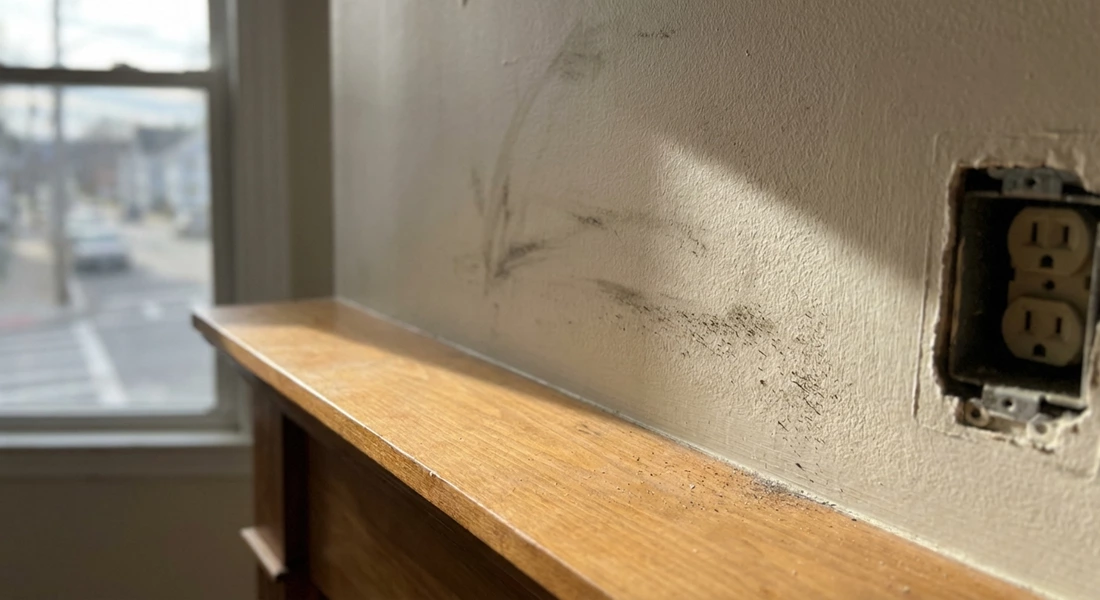
So here's the reality. Fire residue isn't just soot. It's a cocktail of chemicals, particles, and gases that embed themselves in your home's infrastructure. Every material that burned — wood, plastic, insulation, carpet — left something behind. And in Massachusetts, where homes are built tight to keep the cold out, that residue has nowhere to go. It just recirculates, settles, and waits.
What Fire Residue Actually Is
Fire residue is more than ash and charred debris. It's a mix of microscopic particles, volatile organic compounds, and chemical byproducts released when materials combust. In older Massachusetts homes, you're dealing with wood, plaster, and natural fibers. In newer builds, it's synthetics, plastics, and treated materials. Both burn differently, and both leave behind residues that standard cleaning won't touch.
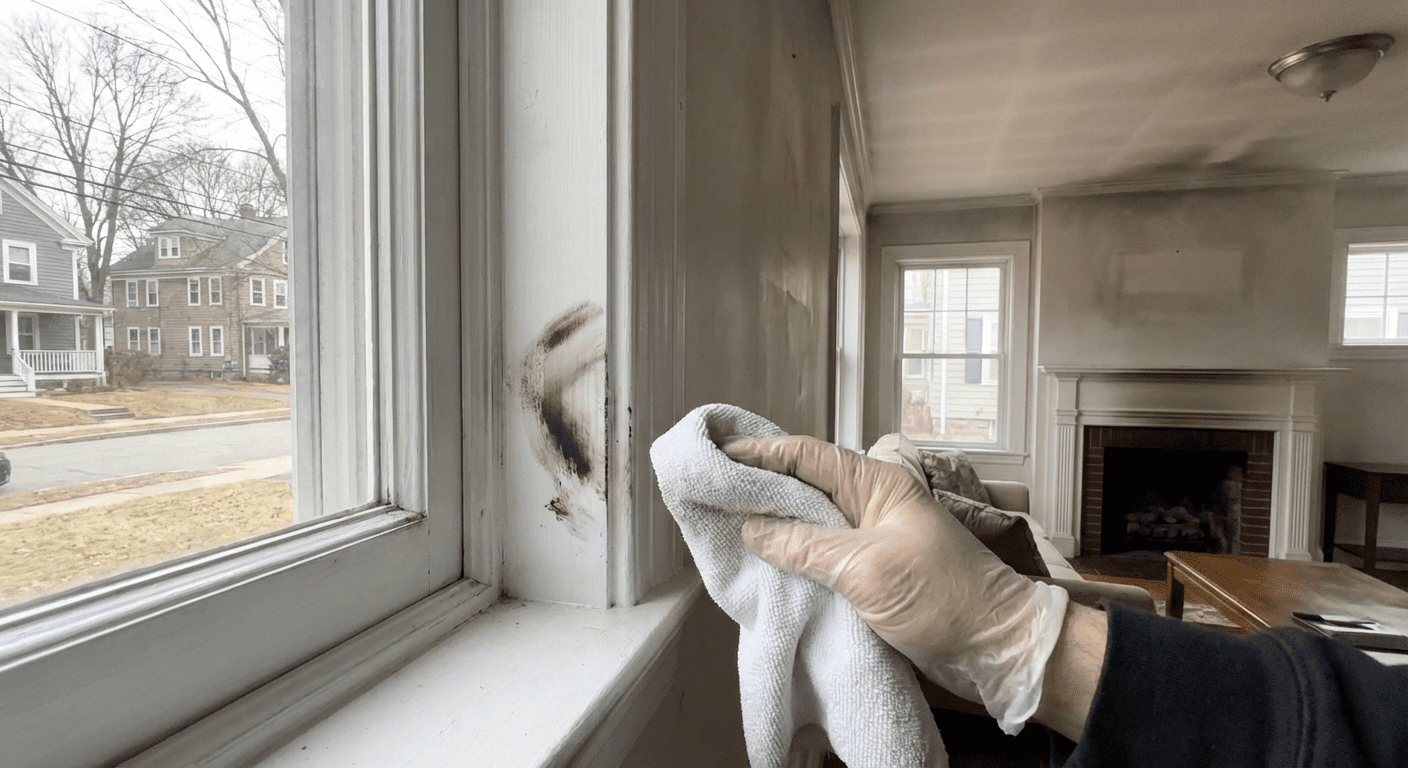
Even after visible soot is scrubbed away, the invisible stuff remains. VOCs can off-gas for weeks. Particles can settle into porous surfaces like drywall and insulation. And once they're in, they're not coming out without serious intervention. This isn't a job for a mop and bucket.
Why It Sticks Around
Residue persists because smoke is fine — finer than dust, finer than pollen. It penetrates deep into materials that look clean on the surface. Drywall, carpet padding, upholstery — all of it can trap particles that no amount of surface cleaning will reach. And in Massachusetts, where humidity swings with the seasons, moisture can reactivate dormant soot, bringing back odors and stains you thought were gone.
Modern fires make it worse. Today's homes are packed with synthetic materials that release toxic compounds when they burn. Those compounds don't just disappear. They adhere to surfaces, become airborne, and settle into places you'd never think to check. The complexity of what's burning means the complexity of what's left behind.
The Health Risks You Can't Ignore
Lingering fire residue isn't just an aesthetic problem. It's a health hazard. Soot particles irritate the respiratory system. VOCs can cause headaches, dizziness, and long-term neurological issues. For kids, the elderly, or anyone with asthma or allergies, prolonged exposure can lead to chronic problems.
In Massachusetts, where homes are sealed tight for energy efficiency, these contaminants get trapped. They circulate through HVAC systems, settle on countertops, and get kicked up every time someone walks across the carpet. Without proper fire damage restoration, you're living in a space that's slowly poisoning you — even if it looks clean.
Where Residue Hides
Fire residue doesn't just sit on countertops. It finds its way into places you'd never think to look. And if your cleanup crew didn't check these spots, the residue is still there.
- Air ducts and HVAC systems: Smoke gets sucked into ventilation, spreading contaminants every time the system runs.
- Behind walls and under floors: Smoke seeps through cracks, settling in areas that require demolition to access.
- Attics and crawl spaces: Often skipped during cleanup, these areas can harbor significant residue.
- Soft furnishings and carpets: Porous materials absorb smoke odors and particles that standard cleaning can't remove.
- Electrical outlets and fixtures: Smoke can infiltrate wiring and junction boxes, creating ongoing contamination.
What Real Remediation Looks Like
Getting rid of fire residue requires more than elbow grease. It requires specialized equipment and trained professionals who know where to look and how to treat what they find. Thermal fogging neutralizes odors at the molecular level. Ozone treatment breaks down VOCs. HEPA vacuuming captures particles that regular vacuums just blow around.
In some cases, materials need to be replaced entirely. Insulation, carpet padding, and drywall can be so saturated with residue that cleaning them is pointless. HVAC systems need to be inspected and cleaned — not just the vents, but the entire ductwork. This isn't a weekend DIY project. It's a full-scale restoration of residential items.
Steps to Take After a Fire
If your Massachusetts home has been through a fire, don't assume the initial cleanup was enough. You need to verify that the job was done right — and that means checking the places most crews overlook.
- Hire certified fire damage restoration professionals: Look for IICRC certification and experience with smoke remediation.
- Inspect HVAC systems thoroughly: Have ducts cleaned and filters replaced before running the system.
- Test indoor air quality: A professional air quality test can reveal lingering contaminants.
- Replace porous materials if needed: Don't try to salvage items that are too contaminated to clean.
- Document everything for insurance: Take photos, keep receipts, and get written reports from contractors.
Prevention and Preparedness Matter
You can't eliminate fire risk entirely, but you can reduce the damage it causes. Smoke detectors, fire extinguishers, and a solid escape plan are non-negotiables. But just as important is understanding what happens after the fire. Knowing that residue lingers — and knowing how to deal with it — can save you from months of health problems and thousands in additional repairs.
Massachusetts homeowners need to be proactive. That means asking the right questions during cleanup, verifying that hidden areas were addressed, and not settling for surface-level fixes. Because if the residue is still there, the fire isn't really over.
Common Mistakes Homeowners Make
Most people don't know what to look for after a fire. They trust that the cleanup crew handled everything, or they assume that because the smell is gone, the problem is solved. Neither is true.
- Skipping HVAC inspection: Running contaminated ductwork spreads residue throughout the home.
- Using DIY cleaning methods on porous materials: You can't scrub smoke out of drywall or carpet padding.
- Ignoring lingering odors: If you still smell smoke, there's still residue.
- Not testing air quality: You can't see VOCs, but they're still there.
- Rushing to move back in: Living in a contaminated space can cause long-term health issues.
When to Call in a Pro
If your home has been through a fire, you're in territory where DIY gets dangerous. A professional restoration services team knows how to identify hidden residue, treat contaminated materials, and verify that the job is done right. They have the equipment, the training, and the experience to handle what most homeowners can't see.
It's not just about making the house look clean. It's about making it safe. And that requires more than a fresh coat of paint and some air freshener. It requires a full assessment, targeted remediation, and follow-up testing to confirm that the air you're breathing is actually clean.
What Happens If You Ignore It
Ignoring lingering fire residue doesn't make it go away. It just gives it time to cause more damage. Soot can corrode metal fixtures and wiring. VOCs can continue to off-gas for months. And the health effects? Those compound over time. What starts as a mild cough or headache can turn into chronic respiratory issues or worse.
In Massachusetts, where homes are often older and tightly sealed, the risks are even higher. Without proper ventilation or remediation, contaminants just keep circulating. Professional odor removal services can address these persistent issues that standard cleaning cannot eliminate. And by the time you realize there's a problem, the damage is already done.
Residue Doesn't Announce Itself
Fire residue is sneaky. It doesn't wave a flag or send up a flare. It just sits there, embedded in your home, waiting to cause problems. And if you're not actively looking for it — with the right tools and the right expertise — you won't find it until it's too late. Professional construction and post-construction cleaning specialists understand the complexity of fire residue removal and can ensure your home is truly safe. That's why thorough remediation isn't optional. It's the only way to make sure your home is truly safe after a fire.
Let’s Restore Your Home’s Safety Together
We know how overwhelming fire damage can be, especially when hidden residue threatens your family’s health and comfort. Let’s make sure your Massachusetts home is truly clean and safe—inside and out. If you’re ready for a thorough, professional approach, give us a call at 978-778-6676 or schedule an appointment and let’s get your home back to the sanctuary it should be
‹ Back
Recent Posts
-
Signs Water Damage in Billerica Needs Professional Help
October 8, 2026
-
What Causes Basement Mold Problems in Carlisle City?
September 24, 2026
-
What Happens When Water Gets Behind Basement Walls in Framingham
September 10, 2026
-
Should Waltham Homeowners Replace Old Plumbing Before It Fails?
August 27, 2026
-
How Waterproofing Protects Lynn Homes Year Round
August 13, 2026