
Roof Leaks in Massachusetts That Lead to Interior Water Damage
Massachusetts homeowners deal with weather that doesn't quit. Snow piles up in January. Rain hammers down in April. Wind tears through in October. Your roof takes every bit of it, and eventually, something gives. When it does, water finds a way in. And once it's inside, the damage spreads fast—through insulation, down walls, across ceilings. Most people don't notice until the stain shows up or the ceiling starts to sag. By then, we're not talking about a quick patch job anymore.
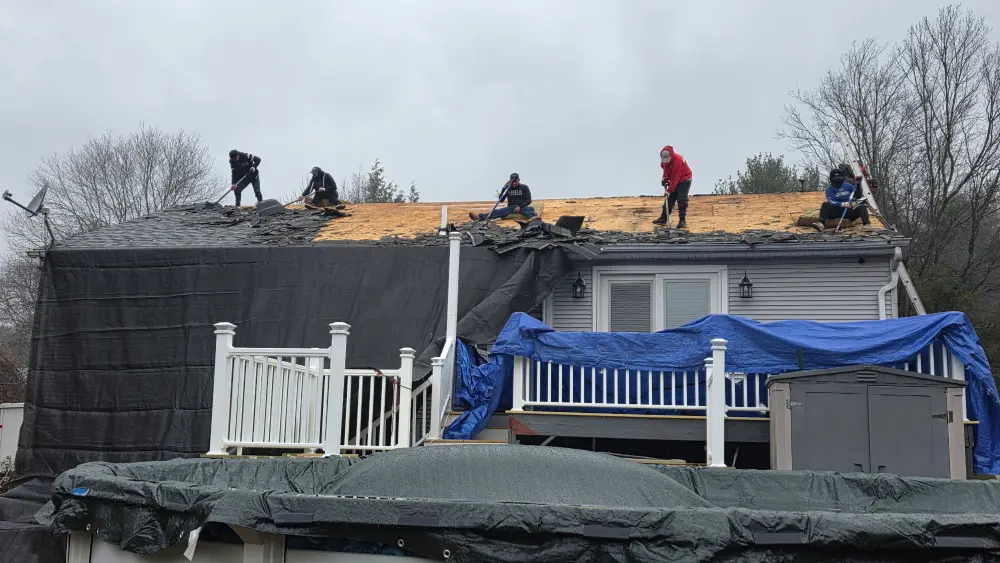
Roof leaks aren't just about missing shingles or a bad storm. They're about what happens after the water gets through. The longer it sits, the worse it gets. Mold takes hold. Wood rots. Drywall crumbles. And if you're not tracking where the money went or how the damage started, you're looking at a mess that could've been avoided with better timing and sharper eyes.
Ice Dams Are the Winter Nightmare
When snow melts unevenly on your roof, it refreezes at the edges. That's an ice dam. It blocks water from draining off the roof, so instead, it backs up under the shingles and seeps into your attic. We see this every winter across Massachusetts, especially on older homes with poor insulation. The heat escaping from your living space melts the snow from below, but the eaves stay cold. Water pools, freezes, and forces its way through gaps you didn't even know existed.
Once that water gets inside, it doesn't just sit there. It travels along rafters, soaks insulation, and drips into walls. By the time you spot the ceiling stain, the damage is already deep. Ice dams aren't a cosmetic issue—they're a structural one. And they're entirely preventable if your attic ventilation and insulation are up to standard.
Shingles Take a Beating
High winds rip shingles off. Hail cracks them. Age makes them brittle. Once a shingle is compromised, the underlayment is exposed. That layer isn't designed to handle direct weather—it's a backup, not a shield. When rain hits exposed underlayment, it soaks through fast. And if multiple shingles are missing or damaged, you've got multiple entry points for water.
We've seen roofs that looked fine from the ground but had a dozen weak spots up close. A single missing shingle can let in enough water to ruin drywall, warp floors, and create mold colonies in your walls. The fix is straightforward—replace the shingles before the next storm. The cost of ignoring it? That's where things get expensive.
Flashing Fails More Often Than You Think
Flashing seals the joints around chimneys, skylights, vents, and valleys. When it's installed right, it's watertight. When it's not, or when it corrodes over time, water slips through like it's not even there. Flashing failures are one of the top causes of roof leaks in Massachusetts, and they're easy to miss during a casual inspection.
Corroded flashing looks fine until you get close. Loose flashing might not show any visible damage at all—until water starts pooling behind it. And improper installation? That's a ticking clock. If the flashing wasn't sealed correctly from day one, it's only a matter of time before a heavy rain finds the gap. Once water gets past the flashing, it runs straight into the structure. No warning, no second chances.
Gutters That Don't Drain Are Gutters That Destroy
Clogged gutters overflow. Overflowing gutters dump water right along the roofline, where it seeps under shingles and into the fascia. Ice makes it worse—frozen gutters can't drain at all, so water backs up and forces its way through any crack it can find. We've pulled apart soffits that were completely rotted out because gutters hadn't been cleared in years.
Gutter maintenance isn't glamorous, but it's critical. Leaves, twigs, ice—anything that blocks the flow creates a backup. And that backup doesn't just sit there. It pushes water into places it was never supposed to go. If your gutters are sagging or pulling away from the house, that's a red flag. Fix it before the next storm, or plan on dealing with water damage restoration inside.
What Water Damage Actually Looks Like Inside
By the time you see a ceiling stain, the leak has been active for a while. Water doesn't announce itself—it creeps. It soaks insulation, darkens drywall, and spreads along joists. The visible damage is just the surface. Behind that stain, there's likely mold, weakened framing, and saturated material that needs to be torn out and replaced.
Here's what we typically find when water gets inside:
- Discolored or sagging ceilings
- Peeling paint or bubbling wallpaper
- Warped or buckling hardwood floors
- Musty odors that won't go away
- Visible mold growth in corners or along baseboards
Each of these signs points to water that's been sitting long enough to cause real damage. And the longer it sits, the more expensive the fix becomes. Water doesn't dry itself out—it just keeps spreading until someone stops it.
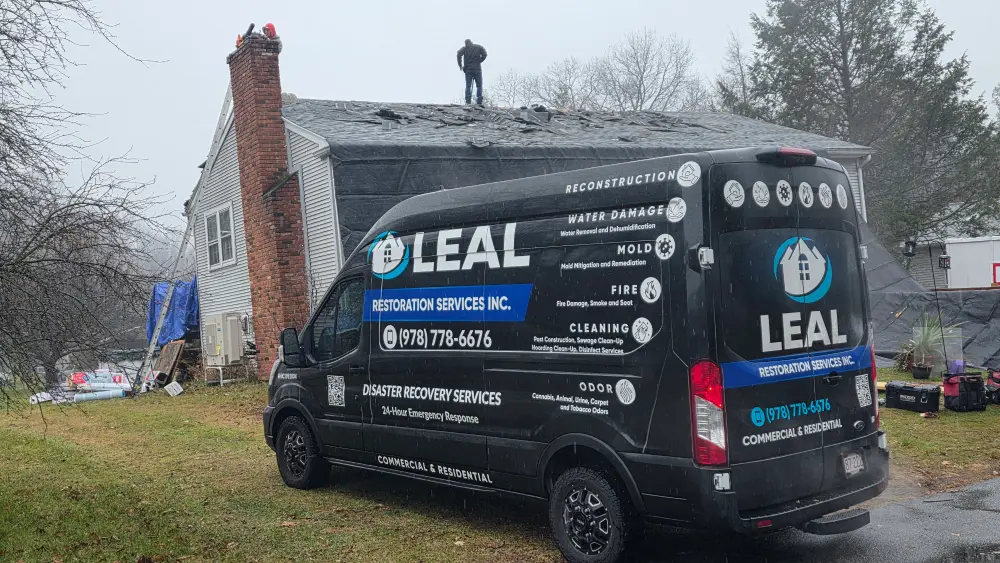
Stopping Leaks Before They Start
Prevention beats repair every time. Regular inspections catch problems early. Clearing gutters keeps water flowing where it should. Fixing damaged shingles before the next storm keeps your roof intact. None of this is complicated, but it does require consistency.
Here's what actually works:
- Schedule a professional roof inspection at least once a year
- Clear gutters and downspouts after every fall and before winter
- Check attic insulation and ventilation to prevent ice dams
- Replace damaged or missing shingles as soon as you spot them
- Inspect flashing around chimneys, vents, and skylights for corrosion or gaps
These steps don't eliminate every risk, but they cut down the odds significantly. And when a leak does happen, you'll catch it early—before it turns into a full-scale hidden water damage event.
When You Find a Leak, Move Fast
Discovering a roof leak isn't the time to wait and see what happens. Water doesn't pause. It keeps moving, keeps soaking, keeps spreading. The first step is containment—buckets, towels, anything to stop the water from reaching more of your home. Then document everything. Photos matter, especially if insurance is involved.
Next, call a licensed roofer. Not a handyman, not a friend who "knows roofs"—a professional who can assess the damage, identify the source, and fix it right. DIY repairs might stop the drip temporarily, but they rarely address the root cause. And if the fix isn't done correctly, you're just delaying the next leak.
Interior Repairs Can't Wait Either
Once the roof is patched, the interior damage still needs attention. Wet drywall has to be dried out or replaced. Soaked insulation loses its effectiveness and can harbor mold. Warped floors need to be assessed for structural integrity. Ignoring these issues doesn't make them go away—it just gives mold damage more time to grow and wood more time to rot.
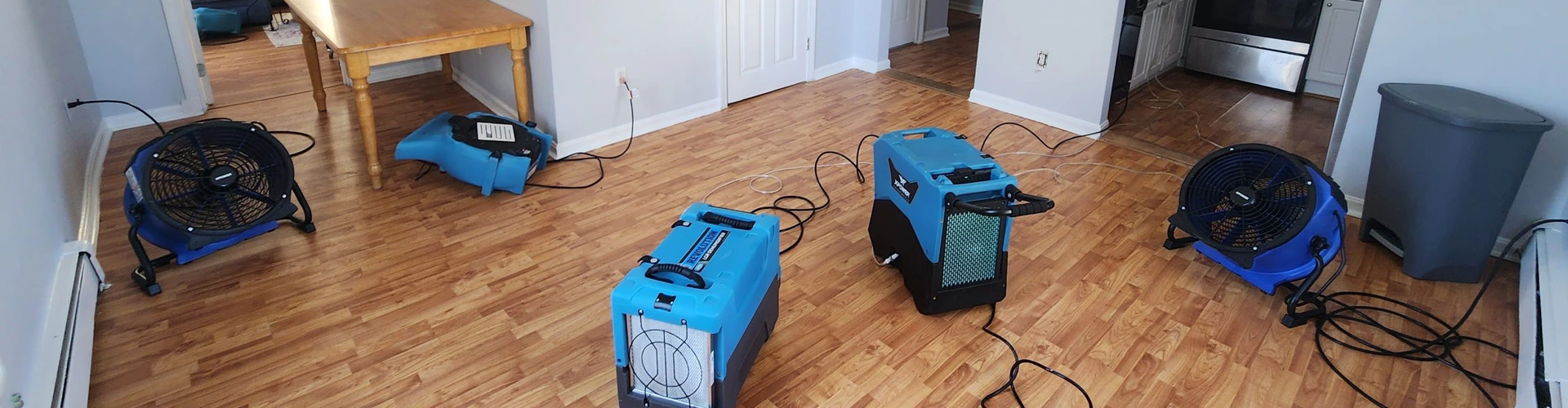
If the damage is extensive, bring in a water damage restoration specialist. They'll dry out the affected areas, treat for mold, and help you understand what needs to be replaced versus what can be salvaged. It's not cheap, but neither is tearing out half your ceiling six months later because you didn't address the moisture problem the first time.
Your Roof Isn't a Set-It-and-Forget-It System
Roofs age. Materials break down. Weather doesn't care how new your shingles are or how much you paid for installation. What matters is whether you're staying ahead of the wear. Regular maintenance, timely repairs, and a sharp eye for warning signs—that's what keeps water outside where it belongs.
We've worked with enough Massachusetts homeowners to know that the ones who avoid major water damage are the ones who treat their roofs like an investment, not an afterthought. They schedule inspections. They clear gutters. They fix small problems before they become big ones. And when a leak does happen, they act fast—because they know that hesitation costs more than action ever will. Professional roof repair and replacement services can address both immediate leaks and long-term structural concerns, while comprehensive storm damage restoration ensures your home recovers fully from severe weather events.
Let’s Protect Your Home from the Next Storm
We know how quickly a small leak can turn into a major headache for Massachusetts homeowners. Staying proactive is the best way to keep your home safe and dry, and our team is here to help you every step of the way. If you’ve spotted signs of water damage or just want peace of mind before the next storm rolls in, give us a call at 978-778-6676. When you’re ready to take action, schedule an appointment and let’s make sure your roof is ready for whatever the weather brings.
‹ Back
Recent Posts
-
Should Waltham Homeowners Replace Old Plumbing Before It Fails?
August 27, 2026
-
How Waterproofing Protects Lynn Homes Year Round
August 13, 2026
-
-
-