
When Standing Water in Your Billerica Home Becomes a Serious Problem
Most homeowners think standing water is just a nuisance. A puddle here, a damp corner there. But the reality is far more serious — and if you're not paying attention, you're setting yourself up for damage that compounds fast. Water doesn't just sit idle. It seeps, spreads, and creates conditions that wreck your foundation, invite mold, and turn minor issues into major expenses.
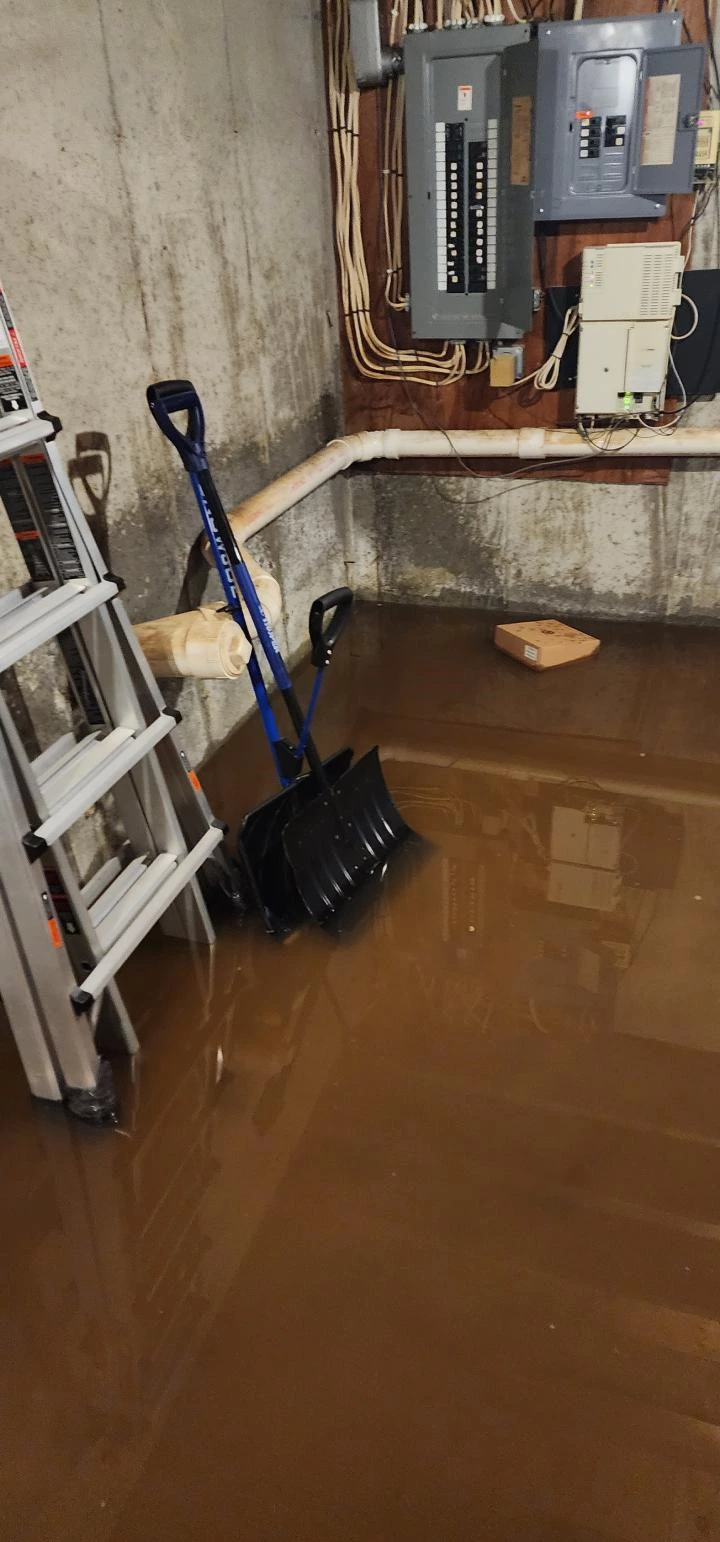
So here's what matters. If you've got water pooling anywhere in your Billerica home, that's not normal. Every puddle has a source. Every damp spot is a warning sign. And every day you wait to address it is another day the problem gets worse — not just cosmetically, but structurally and financially.
Where the Water Comes From
Standing water doesn't appear out of nowhere. In Billerica, the usual suspects include heavy storms, failing sump pumps, clogged drainage systems, or foundation cracks that let groundwater push through. Sometimes it's as straightforward as gutters that dump runoff right against your house instead of routing it away. Other times, it's aging waterproofing or pipes that have started leaking behind walls you can't see.
Whatever the cause, the water is telling you something. And ignoring that message doesn't make it go away — it just gives the damage more time to spread.
Structural Damage Adds Up Fast
Water is relentless. It doesn't need much time to start breaking down the materials that hold your home together. Wood rots, metal corrodes, concrete cracks under pressure. What starts as a small leak or a minor pooling issue can compromise beams, joists, and foundation walls if left unchecked.
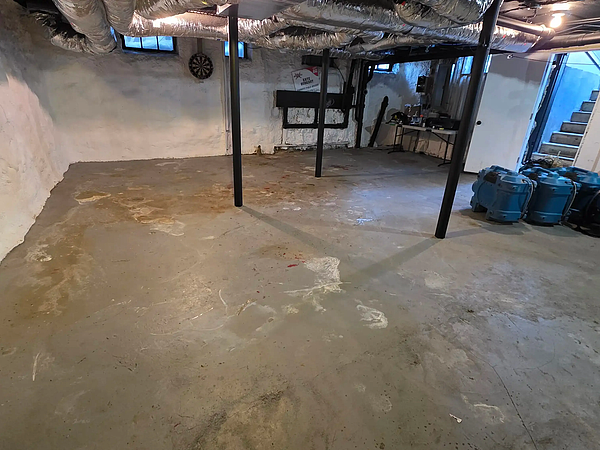
We've seen homes where standing water in a basement led to sagging floors above. Where moisture worked its way into framing and turned solid lumber into soft, crumbling pulp. The longer water sits, the deeper it penetrates — and the more expensive the fix becomes.
Mold Doesn't Wait for Permission
Damp conditions are all mold needs to thrive. Once spores find moisture, they spread fast — across walls, into insulation, through HVAC systems. Mold doesn't just damage your property. It creates air quality issues that can trigger allergies, respiratory problems, and worse.
The tricky part is that mold often grows in places you can't see. Behind drywall. Under flooring. Inside ductwork. By the time you notice the smell or the visible patches, the problem has usually been building for weeks or months.
Electrical Risks You Can't Afford to Ignore
Water and electricity are a dangerous combination. If standing water reaches outlets, wiring, or appliances, you're looking at potential shock hazards or even fire risks. This is especially true in basements where electrical panels and outlets are often located near floor level.
Even if the water doesn't make direct contact, high humidity from standing water can corrode connections and degrade insulation over time. That's not a risk worth taking, especially in a home where people live and sleep.
Pests Love Stagnant Water
Standing water creates an open invitation for pests. Mosquitoes breed in it. Termites are drawn to the moisture. Rodents seek it out as a water source. Once pests establish themselves, they bring their own set of problems — disease, additional structural damage, and contamination.
Getting rid of pests is one thing. Eliminating the conditions that attracted them in the first place is what actually solves the problem. And that means dealing with the water.
When You Need to Act Immediately
Some water issues can wait a day or two. Others can't. If you're seeing water pool in your basement after every storm, that's a pattern that needs immediate attention. If you smell mustiness, see warped floors, or notice paint peeling near baseboards, the water has already been there long enough to cause damage.
In cases where the source is a broken sewer line, a failed sump pump, or a major foundation breach, delays can turn a manageable repair into a full-scale water damage restoration project. The sooner you identify and address the root cause, the less you'll pay in the long run.
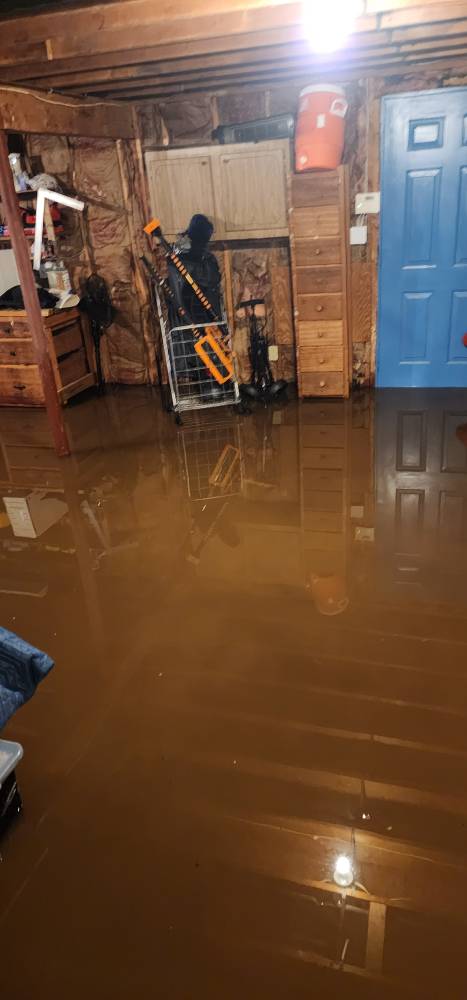
What to Do When You Find Standing Water
Start by tracking down the source. Check for leaking pipes, clogged gutters, malfunctioning appliances, or cracks in your foundation. If the cause isn't obvious or the water keeps coming back, bring in a professional. Water damage specialists can locate hidden leaks, assess the extent of the damage, and recommend the right repairs.
While you're waiting for help, take steps to limit the damage:
- Move valuables and furniture out of the affected area
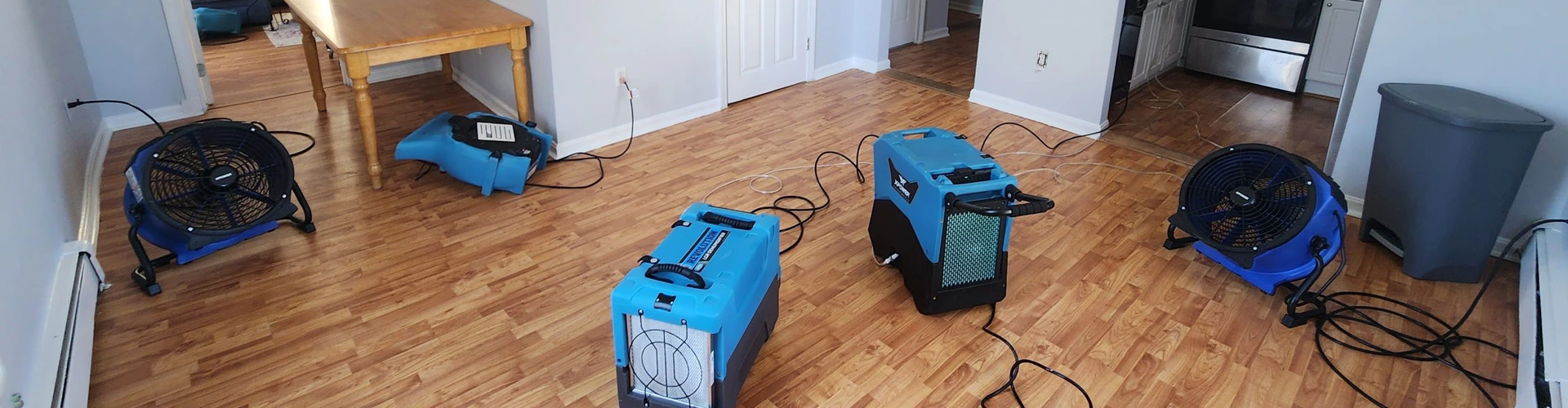
- Use fans or dehumidifiers to start drying out the space
- Avoid using electrical devices near standing water
- Document everything with photos for insurance purposes
- Don't assume the problem will resolve itself — it won't
Prevention Beats Repair Every Time
The best way to handle standing water is to stop it before it starts. Regular maintenance goes a long way. Clean your gutters and downspouts. Make sure your yard slopes away from your foundation. Inspect your basement and crawl spaces for early signs of moisture.
If your home is prone to flooding, a sump pump is worth the investment. If you've got an older foundation, consider having it inspected and resealed. Small preventive measures now can save you from catastrophic repairs later.
Common Mistakes Homeowners Make
Too many homeowners treat standing water like a cosmetic issue. They mop it up, run a fan, and move on. But surface-level fixes don't address the underlying cause. If the water came in once, it'll come in again — and each time, the damage gets worse.
Here's where most people go wrong:
- Waiting too long to call a professional
- Assuming the water will dry on its own without causing harm
- Ignoring musty smells or discoloration as minor annoyances
- Failing to document damage for insurance claims
- Skipping follow-up inspections after the initial cleanup
What Professionals Look For
When a water damage expert evaluates your home, they're not just looking at the puddle. They're checking for hidden moisture, testing for mold damage, inspecting structural components, and identifying the source. They use moisture meters, thermal imaging, and other tools to find problems you can't see.
A thorough assessment includes:
- Identifying all water entry points
- Measuring moisture levels in walls, floors, and ceilings
- Checking for mold growth in hidden areas
- Evaluating structural damage to framing and foundation
- Recommending repairs and preventive measures
Insurance and Documentation
If you're filing an insurance claim, documentation is everything. Take photos of the standing water, the damage it caused, and any visible sources. Keep records of repair estimates, invoices, and communications with contractors. The more evidence you have, the smoother the claims process will be.
Some policies cover water damage from sudden events like burst pipes but exclude damage from long-term neglect or poor maintenance. Know what your policy covers before you assume you're protected.
Long-Term Impact on Property Value
Homes with a history of water damage are harder to sell. Buyers ask questions. Inspectors dig deeper. Appraisers adjust values downward. Even if you've fixed the problem, the stigma can linger — especially if mold was involved or plumbing repairs were needed.
Preventing water issues in the first place protects your investment. Addressing them quickly and thoroughly minimizes the long-term hit to your property's value.
Why Waiting Costs More
Every day standing water sits in your home, the damage spreads. Mold colonies expand. Wood absorbs more moisture. Concrete weakens further. What could have been a simple drainage fix turns into foundation repair, mold removal services, and structural reinforcement.
The cost difference between early intervention and delayed response can be staggering. A few hundred dollars for a sump pump repair versus tens of thousands for foundation work and mold removal. The math isn't complicated.
Taking Control Before It's Too Late
Standing water in your Billerica home isn't something to brush off or deal with later. It's a red flag that demands immediate attention and a clear plan of action. The damage it causes doesn't stay contained — it spreads, compounds, and gets more expensive the longer you wait. Smart homeowners treat water issues like the serious threats they are, with fast response and professional backup when needed. That's how you protect your home, your health, and your wallet for the long haul.
Let’s Protect Your Home Together
We know how overwhelming it can feel when water starts threatening your home, but you don’t have to face it alone. Let’s work together to stop the damage before it gets worse and restore your peace of mind. Call us at 978-778-6676 or schedule an appointment—we’re ready to help you safeguard your Billerica home today.
‹ Back
Recent Posts
-
Signs Water Damage in Billerica Needs Professional Help
October 8, 2026
-
What Causes Basement Mold Problems in Carlisle City?
September 24, 2026
-
What Happens When Water Gets Behind Basement Walls in Framingham
September 10, 2026
-
Should Waltham Homeowners Replace Old Plumbing Before It Fails?
August 27, 2026
-
How Waterproofing Protects Lynn Homes Year Round
August 13, 2026