
Can Water Damage in Billerica Lead to Mold Growth Within Days?
Most homeowners think water damage is just about wet floors and ruined carpets. Puddles dry, fans run, problem solved. But mold doesn't wait for you to finish mopping. It's already setting up shop in the walls, under the baseboards, behind the drywall you can't see. And in Billerica, where humidity climbs and basements stay damp, that timeline shrinks fast.
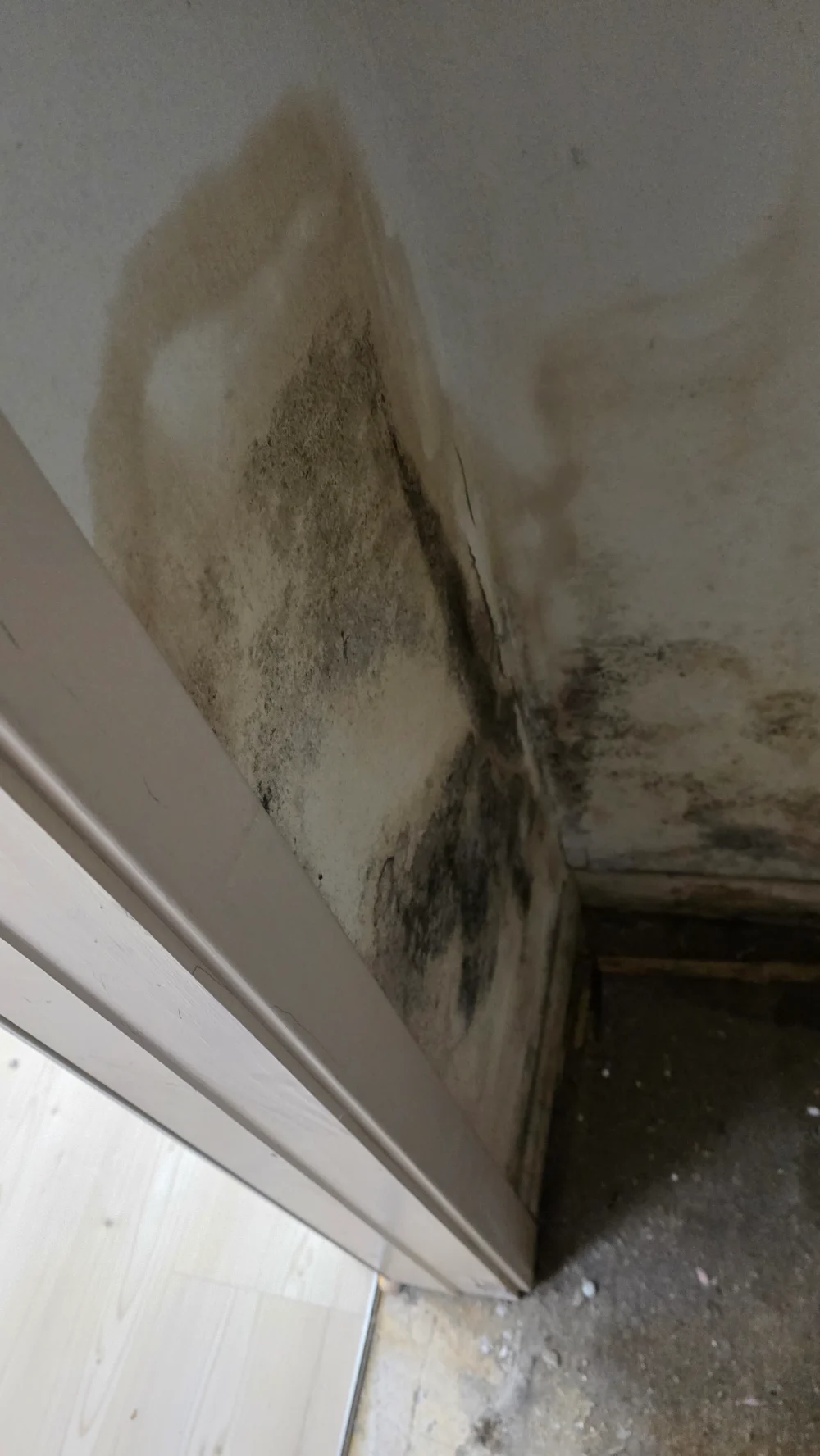
So here's the reality. Water intrusion isn't a cosmetic issue. It's a biological countdown. Mold spores are everywhere — dormant, invisible, harmless. Until they hit moisture. Then you've got 24 to 48 hours before they activate and spread. Miss that window, and you're not just dealing with cleanup. You're dealing with mold damage restoration, health risks, and structural rot that doesn't announce itself until it's already done the damage.
Billerica Homes Face More Than Just Rain
Water finds its way in through more than storms. Burst pipes during winter freezes. Appliance leaks that go unnoticed for days. Roof damage from ice dams. Sump pump failures during spring thaw. Billerica's climate swings between humid summers and freezing winters, and both extremes create conditions where moisture lingers longer than it should.
The older housing stock in town doesn't help. Homes built decades ago weren't designed with modern moisture barriers or ventilation systems. Water gets in, sits in cavities, and stays hidden. By the time you notice the stain or smell the mustiness, mold has already colonized the space. And once it's established, removal isn't a DIY weekend project.
The Clock Starts the Moment Water Hits
Mold spores don't need much. Just moisture, oxygen, and something organic to feed on — wood, paper, fabric, drywall. The EPA confirms what restoration pros see every day. Mold can begin growing within 24 to 48 hours of water exposure. In Billerica's humid conditions, especially during summer, that timeline can compress even further.
Once growth begins, it accelerates. A small patch behind a toilet becomes a wall-wide infestation. A damp corner in the basement spreads to floor joists. Mold doesn't stop at property lines or room boundaries. It follows moisture, and if you don't cut off the source and dry everything out fast, you're fighting a losing battle.
Why Mold Isn't Just a Cosmetic Problem
Mold exposure triggers respiratory issues, allergic reactions, and chronic sinus problems. For anyone with asthma or immune sensitivities, it's worse. Coughing, wheezing, skin irritation, headaches — these aren't minor inconveniences. They're warning signs that your indoor air quality has tanked.
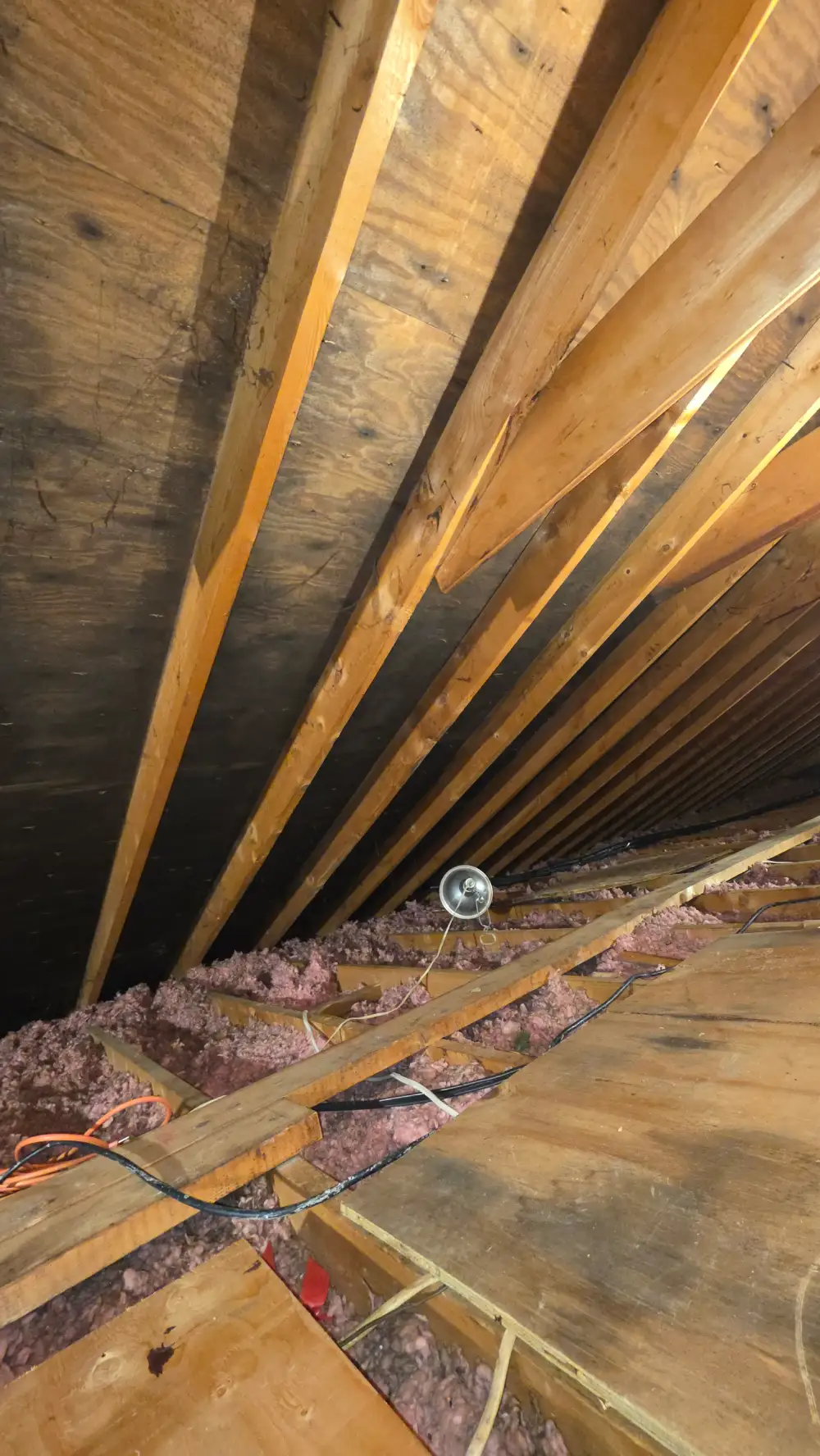
Beyond health, mold eats through building materials. It digests cellulose in wood and drywall, weakening structural components over time. Left unchecked, it can compromise framing, rot out subfloors, and turn insulation into a breeding ground. Remediation costs climb fast, and insurance doesn't always cover neglect. If you waited too long to act, you might be paying out of pocket for repairs that could have been avoided.
What We Do the Moment Water Shows Up
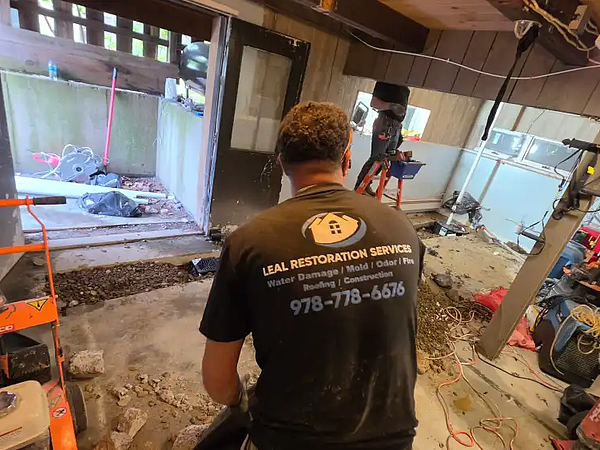
Speed matters more than perfection. The faster you extract water and dry out affected areas, the better your odds of avoiding mold. Waiting for things to air-dry on their own is a gamble you'll lose. Here's what needs to happen immediately:
- Remove standing water using pumps, wet vacs, or extraction equipment
- Pull up soaked carpets, padding, and any porous materials that can't be dried within 48 hours
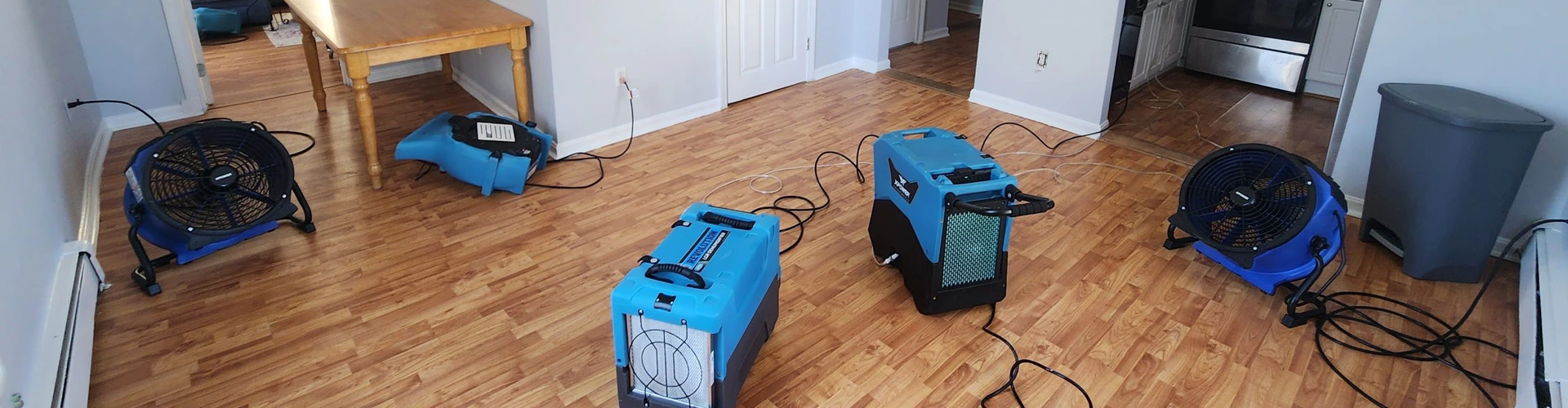
- Run industrial fans and dehumidifiers to drop humidity levels below 60 percent
- Open walls if necessary to expose hidden moisture in cavities
- Disinfect all hard surfaces with antimicrobial solutions
- Monitor moisture levels with meters, not guesswork
- Document everything for insurance claims and future reference
Prevention Beats Remediation Every Time
We can't control the weather, but we can control how our homes handle it. Regular maintenance catches problems before they turn into disasters. Gutters that drain properly keep water away from foundations. Sump pumps that get tested annually don't fail during the worst possible moment. Roof inspections catch missing shingles before leaks start.
Inside the home, vigilance pays off. Check under sinks for slow drips. Inspect washing machine hoses for cracks. Make sure bathroom exhaust fans actually vent outside, not into the attic. Basements and crawl spaces need airflow and moisture barriers, not just hope. Small fixes now prevent catastrophic failures later.
When to Stop Trying and Call Someone
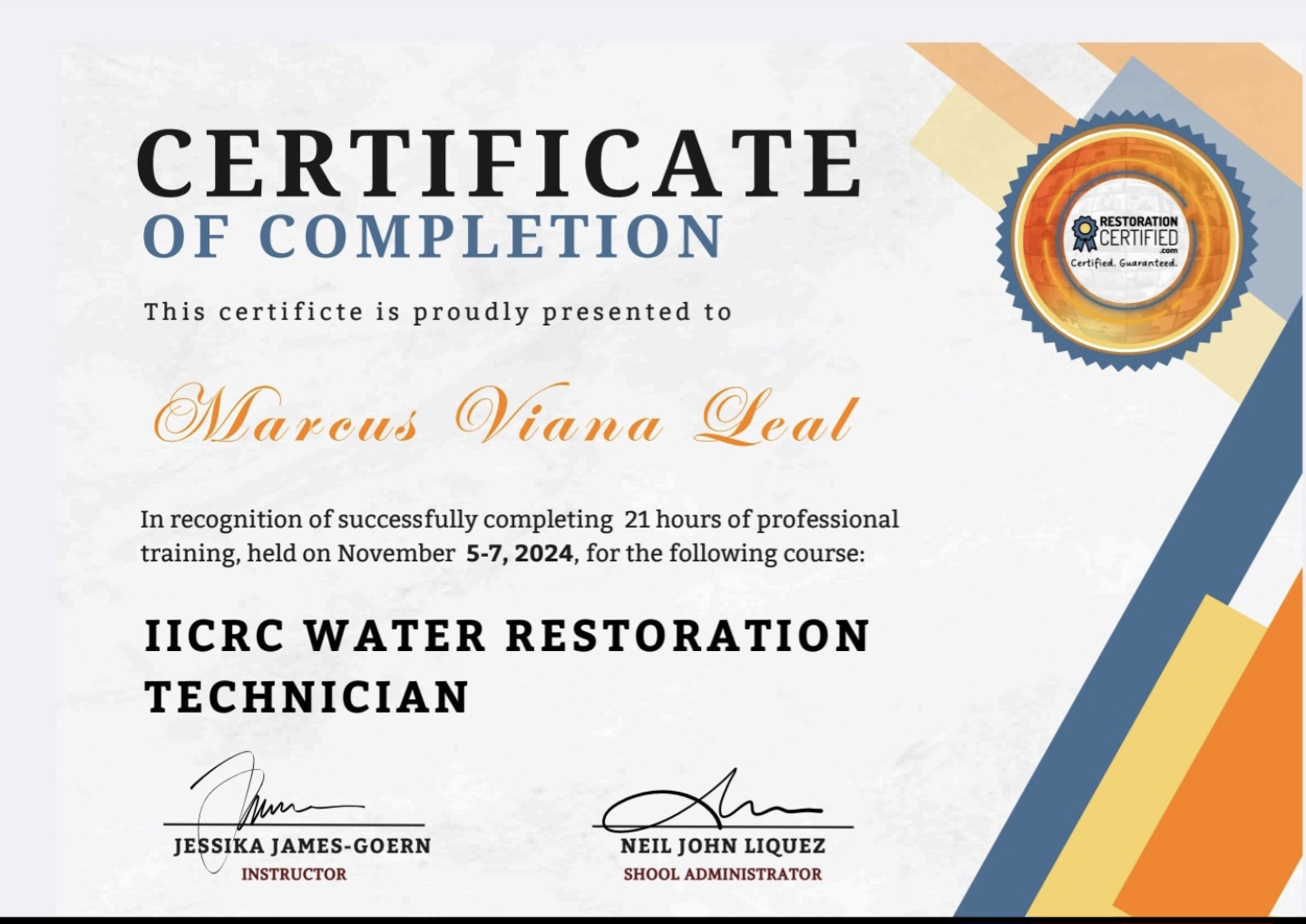
If the water came from a clean source and you caught it within hours, you might handle it yourself. But if sewage is involved, if the water sat for more than a day, or if you're seeing visible mold, it's time to bring in professionals. Restoration companies have the equipment and expertise to dry structures properly and test for hidden moisture.
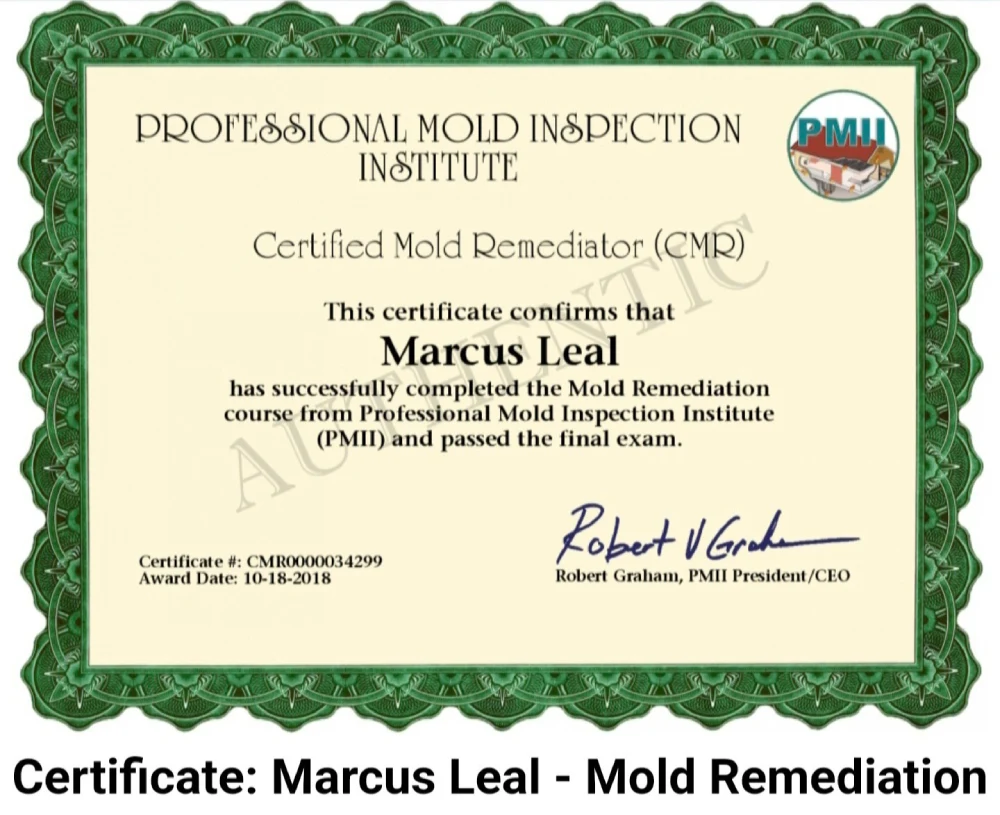
Mold remediation isn't just spraying bleach and hoping for the best. It requires containment, air filtration, removal of contaminated materials, and verification that spore counts have returned to normal. Cutting corners leads to recurring problems and wasted money. If you're not sure whether you need help, you probably do.
Common Mistakes That Make Everything Worse
Homeowners often underestimate how much drying is actually required. They run a fan for a few hours, see the surface dry, and assume the problem is solved. Meanwhile, moisture is still trapped in wall cavities, under flooring, and inside insulation. That hidden dampness is where mold thrives.
Another mistake is using the wrong cleaning methods. Bleach kills surface mold but doesn't penetrate porous materials. It also doesn't address the root cause — moisture. If you don't fix the leak or dry out the structure, mold will return. And trying to paint over mold or cover it with sealant just traps the problem behind a fresh coat of denial.
What Billerica Homeowners Should Watch For
Even after cleanup, stay alert. Mold doesn't always show up immediately. Sometimes it takes weeks for visible growth to appear, especially if moisture is still present in hidden areas. Here's what to monitor:
- Musty odors that persist even after cleaning
- Discoloration on walls, ceilings, or floors
- Peeling paint or bubbling wallpaper
- Warping or buckling in wood floors or trim
- Increased allergy symptoms or respiratory issues indoors
Insurance and Documentation Matter
If you're filing a claim, documentation is everything. Take photos and videos of the damage before you start cleanup. Keep receipts for equipment rentals, cleaning supplies, and professional services. Note the date and time water intrusion occurred, and track every step you took to mitigate damage.
Insurance companies want to see that you acted quickly and reasonably to prevent further loss. If you waited days to start drying things out, they may deny coverage for mold damage. If you hired a restoration company, their detailed reports and moisture readings strengthen your claim. Don't assume the adjuster will take your word for it — show them the evidence.
The Cost of Waiting
Delaying action doesn't save money. It multiplies costs. A small leak that could have been dried out in a day becomes a mold remediation project that takes weeks and costs thousands. Structural repairs that weren't necessary on day one become mandatory on day ten. Health issues that could have been avoided become chronic problems that require medical attention.
We've seen it happen too many times. Homeowners think they can handle it themselves, or they assume the problem will resolve on its own. It doesn't. Mold doesn't care about your budget or your schedule. It grows, it spreads, and it damages everything in its path. The only way to stop it is to act fast, dry everything thoroughly, and verify that moisture levels are back to normal.
Protecting Your Home Means Staying Ahead
Water damage in Billerica can absolutely lead to mold growth within days. The science is clear, the timeline is tight, and the consequences are real. But mold isn't inevitable. It's preventable — if you move fast, dry thoroughly, and don't cut corners. Regular maintenance, quick response to leaks, and professional water damage restoration when needed keep your home safe and your air clean. There's no room for guesswork when moisture is involved. Either you control it, or it controls your home.
Let’s Stop Mold Before It Starts
We know how quickly water damage can turn into a bigger problem for Billerica homeowners. Acting fast is the key to protecting your home and your health. If you suspect water or mold issues, let’s tackle it together before it gets worse. Call us at 978-778-6676 or schedule an appointment and we’ll help you get ahead of the damage.
‹ Back
Recent Posts
-
What Happens When Water Gets Behind Basement Walls in Framingham
September 10, 2026
-
Should Waltham Homeowners Replace Old Plumbing Before It Fails?
August 27, 2026
-
How Waterproofing Protects Lynn Homes Year Round
August 13, 2026
-
-