
Can a Small Pipe Leak Damage Your Framingham Home Over Time?
Most Framingham homeowners don't lose sleep over a slow drip under the sink. It's just water—barely noticeable, easy to ignore. But that steady trickle doesn't evaporate. It soaks in. And once it starts working its way through drywall, insulation, or subflooring, you're not dealing with a minor annoyance anymore. You're dealing with structural rot, mold colonies, and repair bills that climb fast.
Here's what matters. A leak doesn't need to flood your kitchen to wreck your home. It just needs time. And if you're not catching it early—or worse, pretending it'll fix itself—you're handing that leak permission to do real damage. Every drop counts. Every delay costs more.
Water Finds Every Weak Spot
Leaks don't stay put. Water moves through the path of least resistance, and your home is full of those paths. Behind walls. Under floors. Along seams where materials meet. A small pipe leak might start in the bathroom, but give it a few weeks and it's soaking through the ceiling below or pooling behind baseboards two rooms over.
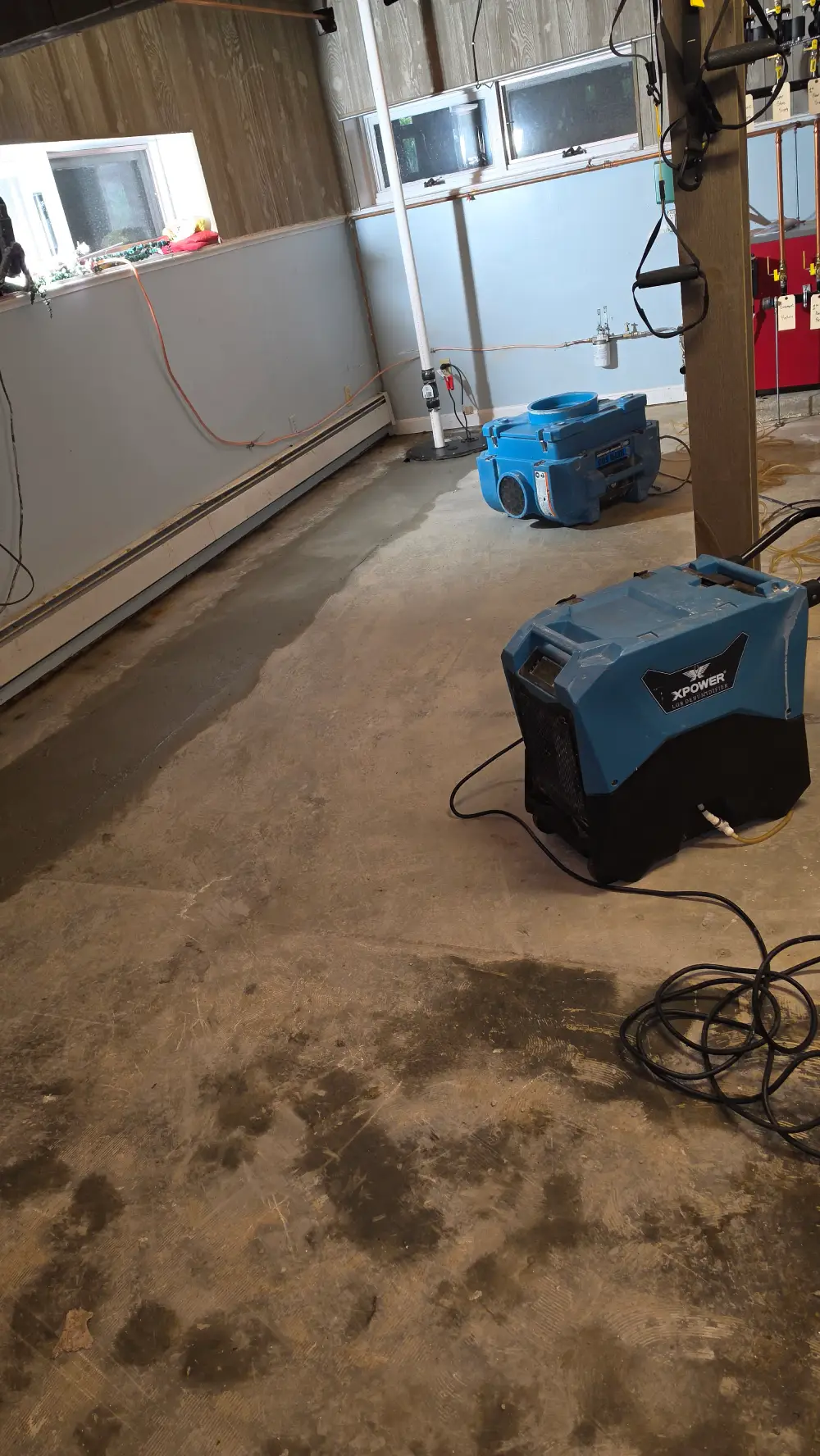
The problem isn't just where the water goes—it's what happens when it sits there. Wood absorbs moisture and starts to break down. Drywall softens and crumbles. Insulation loses all effectiveness and turns into a damp sponge. Even concrete and foundation materials can shift or crack when the surrounding soil gets oversaturated. What began as a pinhole leak turns into a multi-room water damage restoration project because nobody caught it in time.
Mold Doesn't Wait for an Invitation
Give mold a damp corner and forty-eight hours, and you've got a problem. Small leaks create exactly the kind of environment mold loves—dark, moist, and undisturbed. It spreads fast, often out of sight, and by the time you smell it or see discoloration, it's already colonized insulation, framing, or HVAC ducts.
Mold isn't just ugly. It's a health risk, especially for anyone with asthma, allergies, or compromised immunity. Remediation isn't cheap either. You're looking at tearing out infected materials, treating surfaces, and running air scrubbers. All because a drip was left unchecked. And if the moisture source isn't fixed first, the mold just comes back.
The Damage You Can't See Yet
Visible stains and warped floors are bad enough, but the real trouble is what's happening where you can't look. Inside wall cavities. Under the subfloor. Around electrical boxes. Those are the places where hidden water damage does the most over time, and they're also the hardest to inspect without tearing things apart.
We've seen homes where a slow leak ran for months before anyone noticed—and by then, floor joists were rotted through, wiring was corroded, and the foundation had started settling unevenly. The repair costs weren't just high. They were necessary to keep the house livable. And none of it had to happen.
What to Watch For
You don't need to be a plumber to spot the early signs of a hidden leak. Most of them show up in ways that are easy to recognize—if you're paying attention. Catch them early, and you can stop the damage before it spreads.
- Water bills climbing without explanation
- Musty smells that won't go away, even after cleaning
- Stains or discoloration on ceilings, walls, or floors
- Paint that bubbles, peels, or feels soft to the touch
- Warping or buckling in wood floors or baseboards
How to Stop Leaks Before They Start
Prevention beats repair every time. Most pipe leaks don't announce themselves—they develop quietly over months or years as pipes age, joints weaken, or connections corrode. But if you're proactive about maintenance and inspection, you can head off trouble before it turns into a crisis.
Start with the basics. Check under sinks, around water heaters, and near washing machines regularly. Look for moisture, rust, or any sign that water's been where it shouldn't. Don't ignore small drips or dampness—they're warnings, not quirks. And if your home is older or your pipes are original to the build, consider scheduling a professional plumbing inspection. It's a small cost compared to what you'll spend if something fails.
Tools That Give You a Head Start
Technology makes it easier than ever to catch leaks early. You don't need to rely on luck or routine checks alone. Smart water sensors and leak detectors can alert you the moment moisture shows up in vulnerable spots, giving you time to act before serious damage sets in.
- Install leak detectors under sinks, near water heaters, and in basements
- Use smart water monitors that track usage and flag unusual spikes
- Check exposed pipes for corrosion, rust, or moisture buildup
- Inspect caulking and seals around tubs, showers, and fixtures
- Schedule annual plumbing inspections, especially in older homes
When DIY Isn't Enough
Some leaks are obvious and easy to fix. A loose connection under the sink? Tighten it. A worn washer in the faucet? Swap it out. But when water's coming from inside a wall, soaking through the ceiling, or showing up in places you can't trace, it's time to bring in a pro.
Licensed plumbers have the tools and experience to locate hidden leaks, assess the extent of the damage, and make repairs that actually last. Trying to patch things yourself without understanding the source or scope of the problem usually just delays the inevitable—and makes the final bill higher.
Why Waiting Makes Everything Worse
The longer a leak runs, the more it costs to fix. Not just because the water keeps flowing, but because the damage compounds. What starts as a stain on the ceiling becomes rotted framing. What begins as a damp spot under the sink turns into a mold infestation. And what could've been a simple repair becomes a full-scale restoration.
- Structural wood loses strength and needs replacement
- Mold spreads beyond the immediate area and requires professional remediation
- Drywall and insulation must be torn out and rebuilt
- Electrical systems may need rewiring if exposed to moisture
- Foundation settling or shifting can lead to expensive structural work
The Real Cost of Ignoring Small Problems
Homeowners in Framingham know repair costs aren't cheap. But what catches people off guard is how quickly a minor issue escalates into a major expense. A $200 plumbing fix turns into $5,000 in residential water damage restoration. A ignored drip becomes a $15,000 mold remediation and structural rebuild. And none of it needed to happen.
Insurance may cover some of it—if the damage qualifies and you've documented everything properly. But even then, you're dealing with deductibles, claims processes, and the hassle of living in a construction zone while repairs drag on. The smarter move is catching the leak before it ever gets that far.
Don't Hand a Leak the Keys to Your House
A small pipe leak isn't harmless just because it's quiet. It's working every minute it runs, breaking down materials, spreading moisture, and setting you up for repairs that could've been avoided. Framingham homes—especially older ones—aren't immune to plumbing failures, and the longer you wait to address them, the more expensive and disruptive the fix becomes. Stay ahead of it. Check your pipes. Watch for the signs. And when something's wrong, act fast. Your home's structural integrity and your wallet will thank you for it.
Protect Your Home from Hidden Leaks
We all want peace of mind knowing our homes are safe from the damage a small leak can cause. If you've noticed any warning signs or just want a professional eye on your plumbing, let's take action together. Give us a call at 978-778-6676 or schedule an appointment and we'll help you keep your home dry, safe, and sound.
‹ Back
Recent Posts
-
Signs Water Damage in Billerica Needs Professional Help
October 8, 2026
-
What Causes Basement Mold Problems in Carlisle City?
September 24, 2026
-
What Happens When Water Gets Behind Basement Walls in Framingham
September 10, 2026
-
Should Waltham Homeowners Replace Old Plumbing Before It Fails?
August 27, 2026
-
How Waterproofing Protects Lynn Homes Year Round
August 13, 2026