
Mold Removal in Massachusetts After Spring Water Damage
Spring in Massachusetts brings more than blooming flowers and warmer days. It brings melting snow, heavy rain, and basement floods that most homeowners aren't ready for. When water gets in, mold follows fast—sometimes within a day. And if you're not paying attention, that damp corner in your basement becomes a full-blown contamination zone before you even notice the smell.
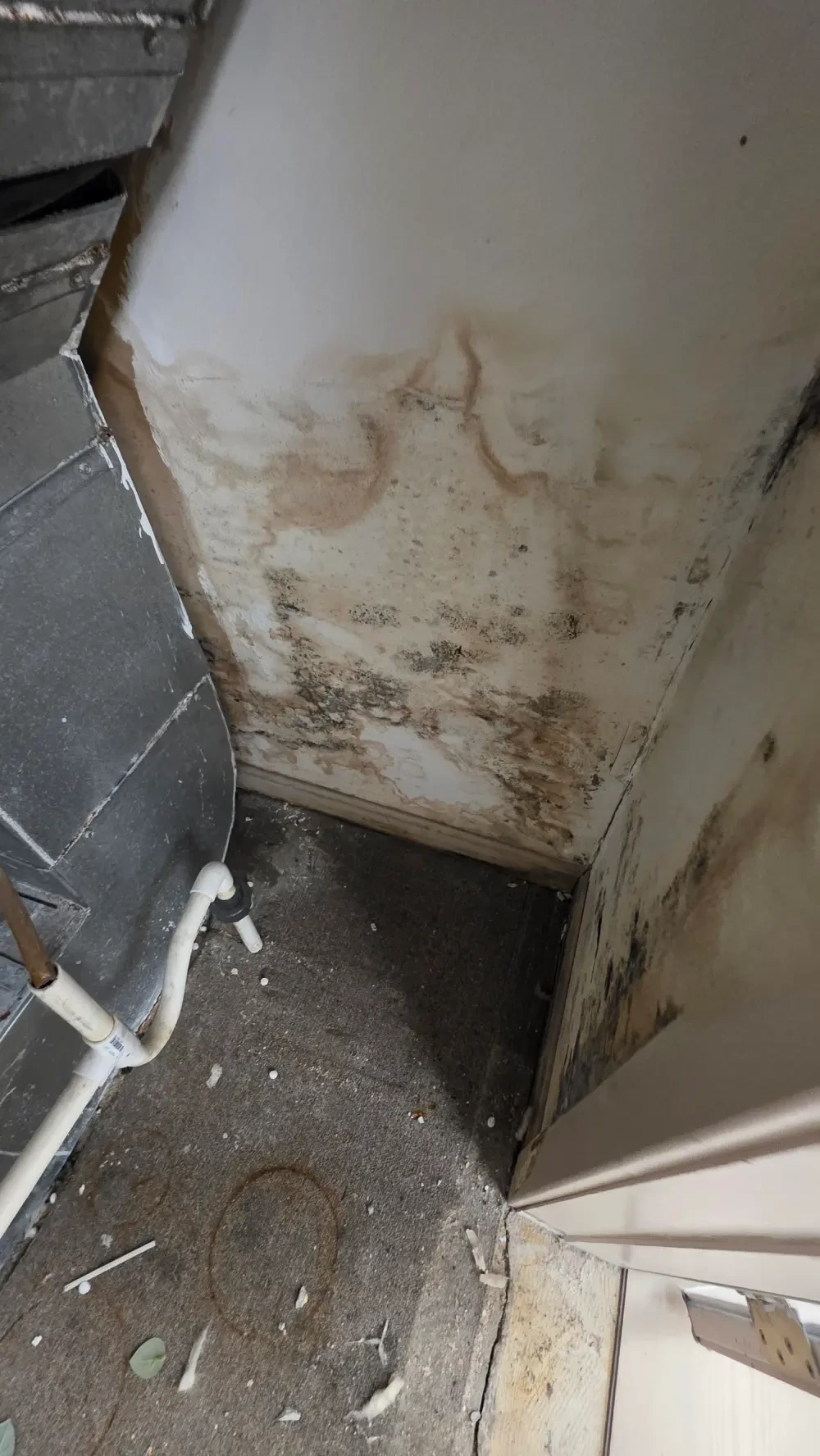
Mold doesn't wait for you to get around to it. It spreads through porous materials, compromises air quality, and turns minor water damage into a major remediation project. The difference between a quick cleanup and a costly disaster often comes down to how fast you move and whether you know what you're dealing with.
The Clock Starts When the Water Stops
Most people think the problem ends once the water's gone. It doesn't. Moisture lingers in drywall, insulation, and subflooring long after the visible puddles disappear. In Massachusetts, where spring humidity can spike without warning, that hidden moisture becomes the perfect breeding ground for mold spores. Within 24 to 48 hours, colonies start forming. Within a week, you've got a contamination issue that requires professional intervention.
Mold doesn't just damage your property—it affects your health. Respiratory problems, allergic reactions, and aggravated asthma symptoms are common in homes with active mold growth. Kids and elderly family members are especially vulnerable. Ignoring the problem doesn't make it go away. It makes it worse.
What Mold Looks Like When It Takes Hold
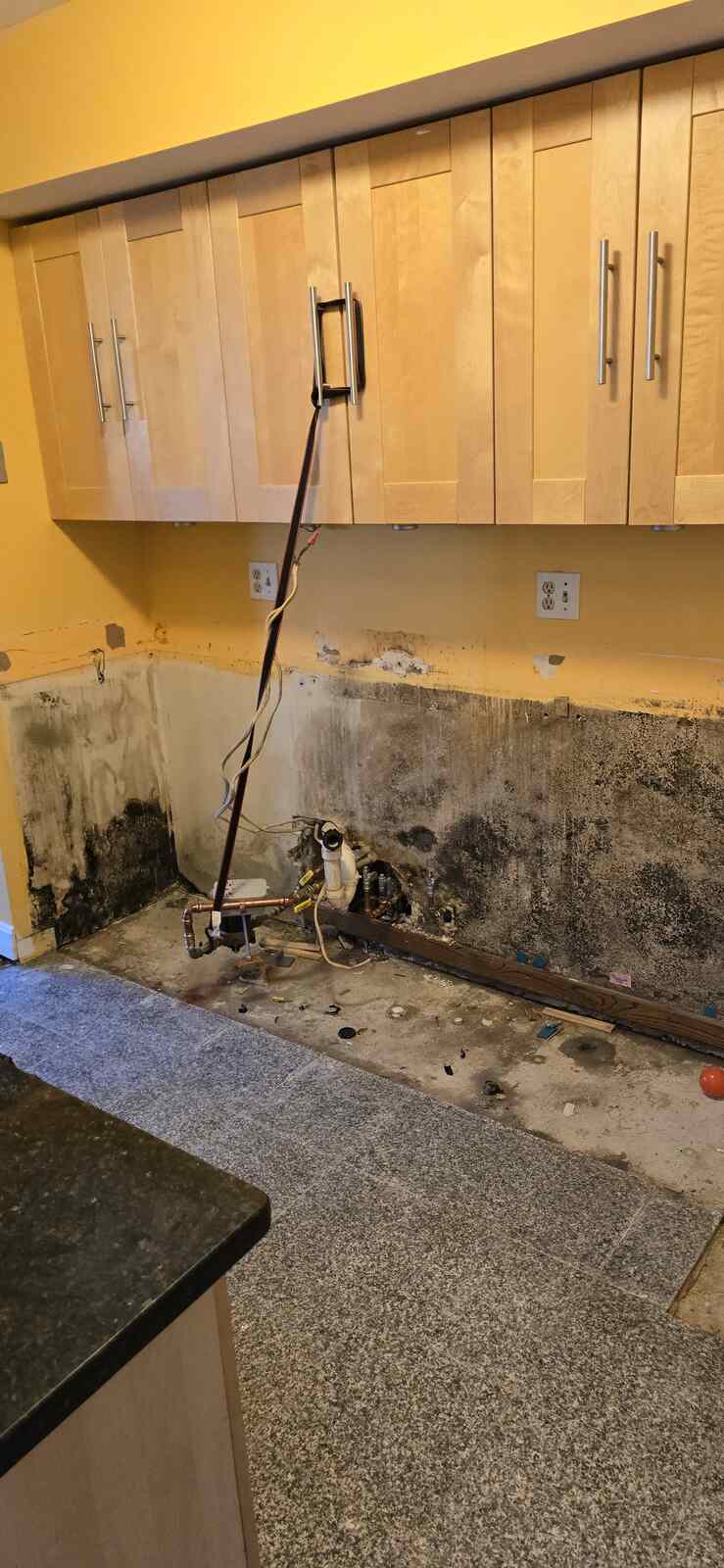
You don't always see mold before you smell it. That musty, earthy odor is usually the first sign something's wrong. By the time you spot visible growth—black patches on walls, green streaks along baseboards, white fuzz on ceiling tiles—the problem has already spread beyond what's visible.
Other warning signs include peeling paint, warped flooring, discolored drywall, and an uptick in allergy symptoms among people in the house. If any of these show up after spring water damage, you're looking at active mold growth. And you need to act.
- Musty smells that won't go away, especially in basements or crawl spaces
- Visible mold spots in black, green, white, or brown
- Paint or wallpaper that's bubbling or peeling without explanation
- Warped walls, ceilings, or floors that weren't damaged before
- Increased respiratory issues or allergy flare-ups in household members
How Professionals Handle Mold Removal
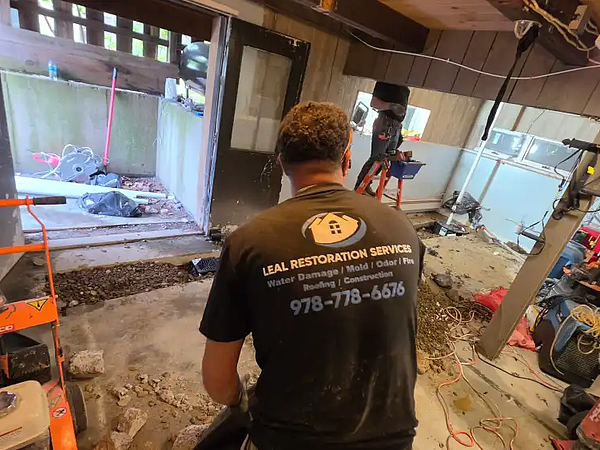
Mold remediation isn't a DIY project. It requires containment, air filtration, and proper disposal of contaminated materials. Professionals start with a full inspection—moisture meters, thermal imaging, air quality tests—to map out the extent of the problem. They're not just looking at what you can see. They're tracking moisture behind walls and under floors.
Once the assessment is done, they set up containment barriers to prevent spores from spreading to clean areas. Negative air pressure keeps contaminated air from escaping. HEPA filters and air scrubbers pull spores out of the air while technicians remove porous materials that can't be salvaged—drywall, carpeting, insulation. Non-porous surfaces get cleaned with antimicrobial solutions. Then comes restoration: replacing what was removed and getting your home back to normal.
- Full inspection using moisture detection and air quality testing
- Containment barriers and negative air pressure to stop spore migration
- HEPA filtration and air scrubbing to capture airborne contaminants
- Removal and disposal of mold-infested porous materials
- Antimicrobial cleaning of salvageable surfaces
- Restoration and repair to return your home to pre-damage condition
Stopping Mold Before It Starts
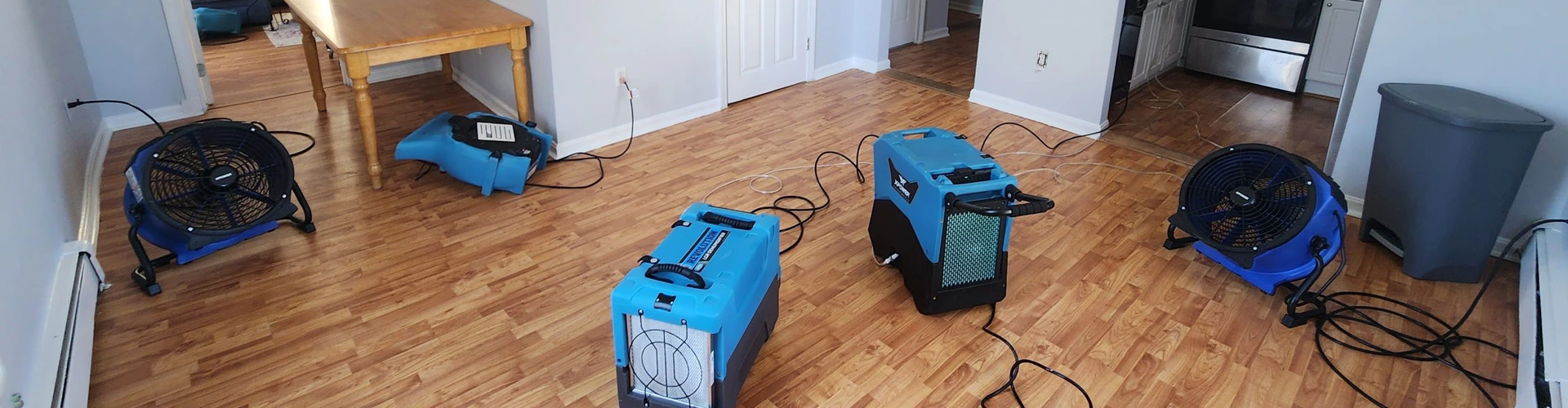
The best mold removal strategy is the one you never have to use. After spring water damage, speed matters. Dry out affected areas immediately. Use dehumidifiers, fans, and open windows to pull moisture out of the air. The longer water sits, the higher the risk.
Check your home's drainage system. Gutters, downspouts, and grading around your foundation should direct water away from the house—not toward it. Inspect your roof for leaks, especially after heavy rain or snowmelt. If your basement floods regularly, a sump pump isn't optional. It's essential.
- Dry out water-damaged areas within 24 hours to prevent mold colonization
- Run dehumidifiers in basements and crawl spaces to keep humidity below 60%
- Ensure gutters and downspouts channel water away from your foundation
- Inspect roofs and attics for leaks after spring storms
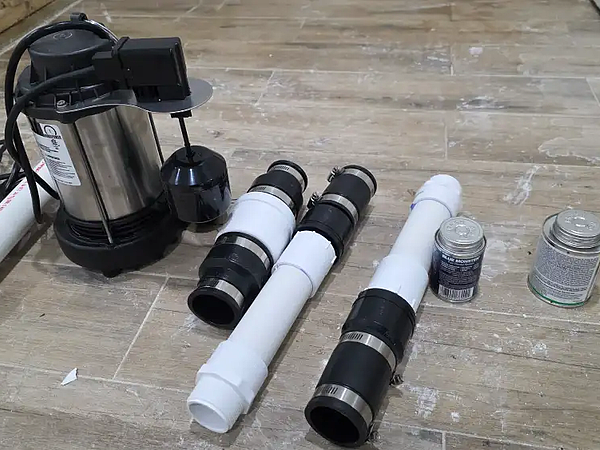
- Install a sump pump in flood-prone areas to manage groundwater
Picking the Right Remediation Team
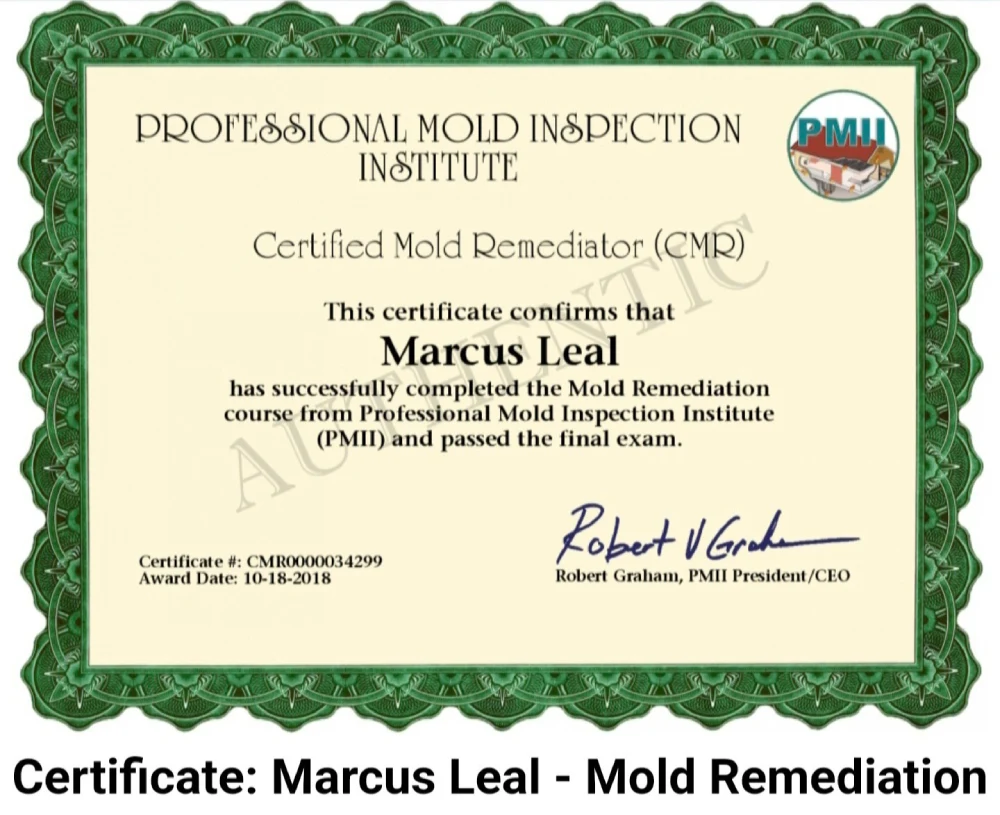
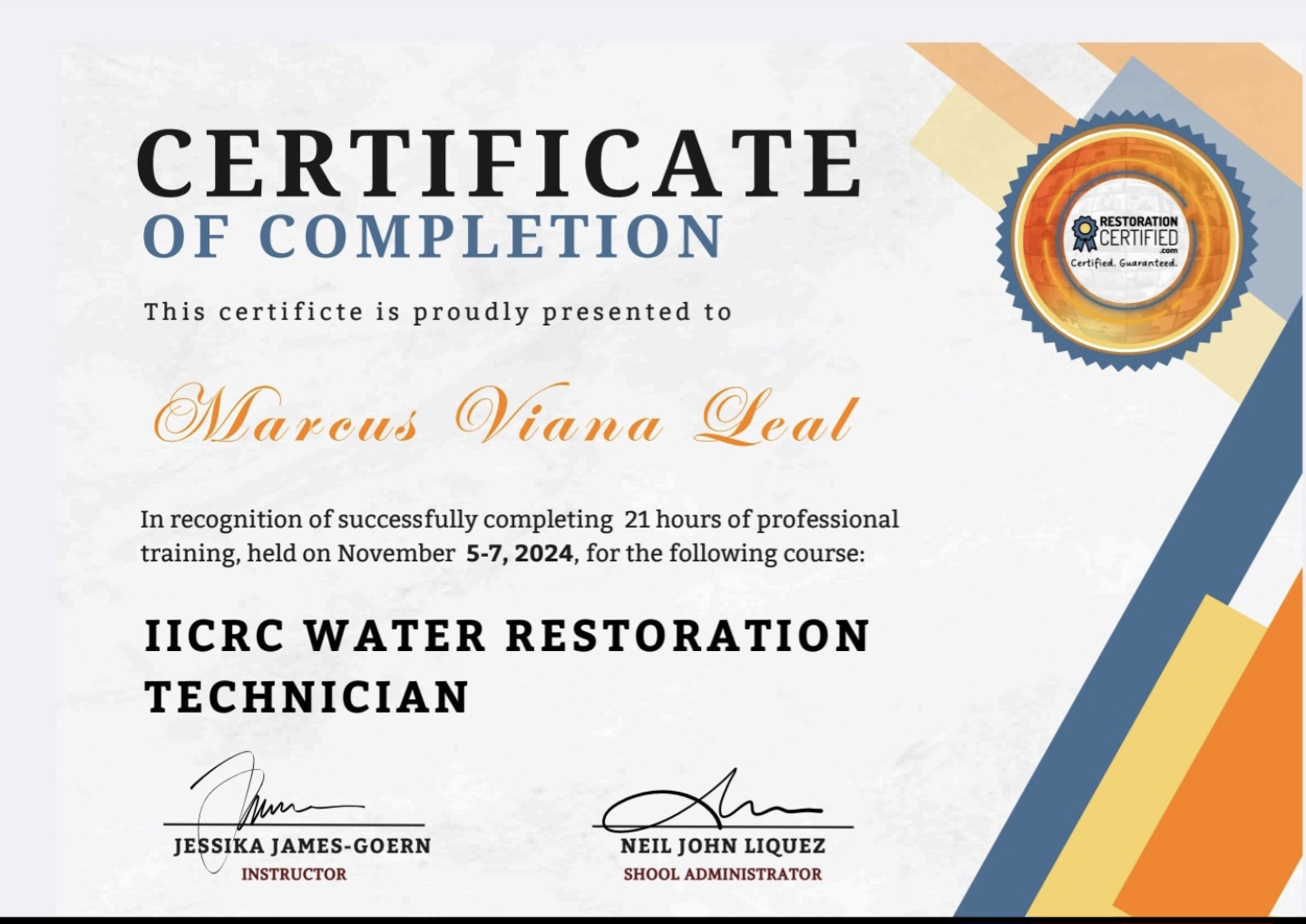
Not every company that claims to handle mold actually knows what they're doing. Look for certification from the Institute of Inspection, Cleaning and Restoration Certification (IICRC). Ask about their experience with water damage and mold remediation specifically. Request references. Make sure they follow industry protocols for containment, air filtration, and disposal.
A good remediation team won't just clean up the mold. They'll identify the moisture source, fix it, and give you a plan to prevent future growth. If they're not asking questions about your home's drainage, ventilation, and humidity levels, they're not doing the job right.
- Verify IICRC certification and industry credentials
- Ask about their process for containment and air quality control
- Request references from past mold remediation projects
- Ensure they address the moisture source, not just the visible mold
- Get a detailed plan for prevention and long-term moisture management
Water Damage Doesn't Fix Itself
Spring water damage is a recurring issue for Massachusetts homeowners. Ignoring it or hoping it dries out on its own is a gamble you'll lose. Mold grows fast, spreads quietly, and costs more to fix the longer you wait. If you've had flooding, leaks, or even minor water intrusion, get it checked. The smell, the stains, the health symptoms—they're all telling you the same thing. You've got a problem. And it's not going away without professional help.
Let’s Restore Your Home Together
We know how overwhelming spring water damage and mold can be, but you don’t have to face it alone. Our team is ready to help you reclaim a safe, healthy home—starting with a thorough inspection and expert remediation. If you’re ready to take the next step, call us at 978-778-6676 or schedule an appointment and let’s get your home back on track.
‹ Back
Recent Posts
-
What Happens When Water Gets Behind Basement Walls in Framingham
September 10, 2026
-
Should Waltham Homeowners Replace Old Plumbing Before It Fails?
August 27, 2026
-
How Waterproofing Protects Lynn Homes Year Round
August 13, 2026
-
-