
Why Frozen Pipes Cause Major Water Damage in Waltham Homes
Frozen pipes aren't just a winter hassle. They're a ticking time bomb inside your walls. Most Waltham homeowners think they've got time to deal with it once the temperature drops — they don't. By the time you notice the ice, the damage is already in motion. And when those pipes finally give, it won't be a slow drip. It'll be a flood that turns your basement into a disaster zone and your insurance claim into a full-time job.
Here's the reality. Every winter, homes across Waltham lose thousands of dollars to burst pipes. Not because the homeowners were careless, but because they didn't understand what frozen water does to metal and PVC under pressure. If you're waiting for a warning sign, you've already missed it. The real question is whether you're ready to prevent it — or whether you're about to learn the hard way.
When Water Turns to Ice, Pressure Goes Through the Roof
Ice doesn't just sit there quietly. It expands. And when it expands inside a rigid pipe, something has to give. The pipe doesn't stretch. It doesn't bend. It cracks. Sometimes it splits clean through. The pressure building inside can reach levels that no residential plumbing was designed to handle, especially in older Waltham homes where the infrastructure wasn't built with modern insulation standards.
The pipes most at risk are the ones you never think about. Crawl spaces. Exterior walls. Unheated garages. Attics that don't see warmth all winter. These are the spots where temperatures drop fast and stay low. One night below freezing might not do it. But a sustained cold snap? That's when the ice takes hold, and by morning, you've got a problem you can't ignore.
The Burst Comes When You Least Expect It
Most people assume a frozen pipe bursts while it's still frozen. Wrong. The real danger comes during the thaw. As the ice melts, water starts moving again — but now it's got nowhere to go except through the crack that formed under pressure. That's when the flooding starts. And it doesn't trickle. It pours.
A single burst pipe can release gallons per minute. If you're at work or asleep upstairs, that water is spreading across floors, soaking into drywall, pooling under appliances, and working its way into every corner of your home. By the time you notice, the damage is already severe. Waltham homes with finished basements or ground-floor living spaces take the worst of it — because water doesn't stop until it finds the lowest point.
Where the Real Damage Happens
Water doesn't just make things wet. It destroys them. Drywall crumbles. Wood swells and rots. Insulation becomes useless. Flooring buckles. And once moisture gets into your walls, mold isn't far behind. Within 48 hours, you're dealing with a health hazard on top of a structural disaster.
Here's what gets hit the hardest:
- Walls and ceilings: Water seeps in and weakens the structure from the inside out, often before you even see a stain.
- Flooring: Hardwood warps, carpet pads turn into sponges, and tile grout cracks under the moisture pressure.
- Electrical systems: Water and wiring don't mix. Outlets, breaker boxes, and appliances can short out or worse — start a fire.
- HVAC and ductwork: If water reaches your heating system, you're looking at costly repairs and potential mold spread through air circulation.
- Personal property: Furniture, electronics, documents, and anything stored in the affected area can be totaled in minutes.
Why Waltham Gets Hit Harder Than You Think
New England winters are unpredictable. A mild week can lull you into thinking your pipes are fine. Then a polar vortex rolls through, and overnight temps drop into the single digits. Homes in Waltham — especially the older ones built before modern insulation became standard — just aren't equipped to handle those swings. Pipes in exterior walls, minimal crawl space insulation, and outdated heating systems all add up to increased risk.
Newer construction isn't immune either. Poor installation, inadequate insulation in rim joists, or gaps around where pipes enter the home can all create weak points. We've seen brand-new builds in Waltham deal with frozen pipe issues because the contractor cut corners or didn't account for how cold it actually gets here in January and February.
Steps That Actually Prevent Disaster
You can't control the weather. But you can control how your home handles it. Preventing frozen pipes isn't about luck — it's about taking action before the freeze hits. Most of the damage we see could've been avoided with a few smart moves and a little bit of preparation.
Here's what works:
- Insulate every pipe in unheated spaces with foam sleeves or heat tape, especially in basements, attics, and garages.
- Seal cracks and gaps around where pipes enter your home to keep cold air from getting in.
- Keep your thermostat at 55°F minimum, even when you're away — it's cheaper than a flood.
- Let faucets drip during extreme cold to keep water moving and reduce pressure buildup.
- Open cabinet doors under sinks so warm air can reach the pipes behind them.
When You Suspect a Freeze, Move Fast
If a faucet stops working or you hear strange noises in your pipes, don't wait to see what happens. Shut off your main water supply immediately. Call a licensed plumber who knows Waltham homes and can safely thaw the line without causing more damage. Never use a torch, heat gun, or open flame — that's how small problems turn into fires.
Time matters. The longer a frozen pipe sits, the more likely it is to burst. And the longer a burst pipe runs, the worse the damage gets. We're talking thousands of dollars in repairs, weeks of displacement, and months of dealing with insurance adjusters. All because you waited an extra hour to make the call.
What to Do After the Water Hits
If you're already dealing with a burst pipe, your priority is damage control. Shut off the water. Document everything with photos and video. Move valuables out of the affected area if it's safe to do so. Then bring in professionals who specialize in water damage restoration — not just cleanup crews, but certified techs who understand mold prevention and structural drying.
Here's what you'll need lined up:
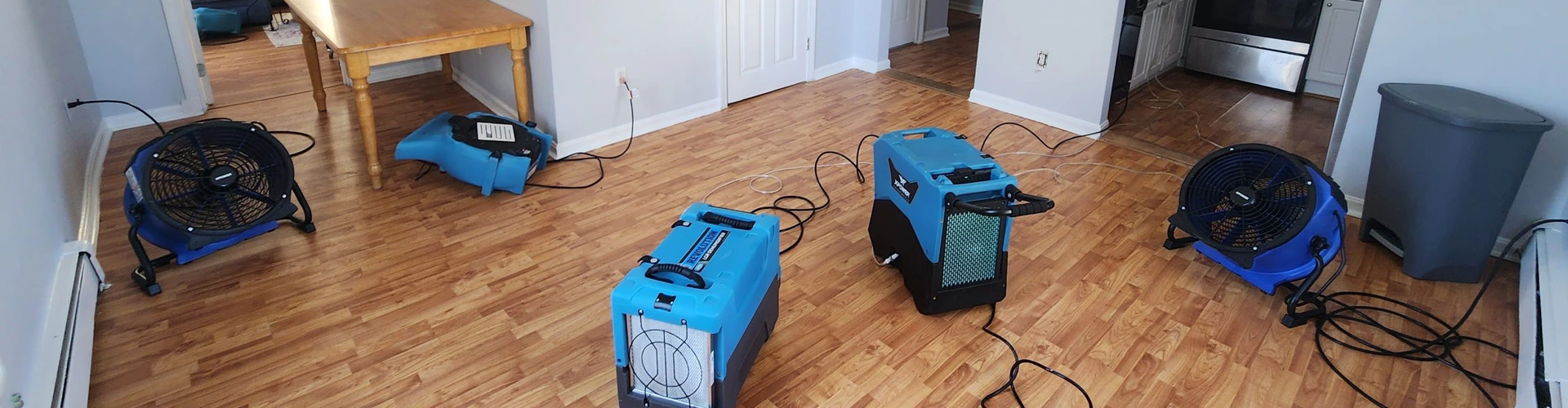
- A water restoration company with industrial dehumidifiers and air movers to dry out your home fast.
- A licensed plumber to repair the damaged pipe and inspect the rest of your system for weak points.
- Your insurance agent, with all your documentation ready to file a claim quickly and accurately.
- A mold inspector if water sat for more than 24 hours or soaked into porous materials.
- A contractor who can handle drywall, flooring, and structural repairs once everything's dry.
Don't Wait Until You Hear the Drip
Frozen pipes don't announce themselves. There's no alarm. No flashing light. Just cold air, rising pressure, and a crack waiting to happen. By the time you see water, the fight's already lost. Protection happens before the freeze, not after. Insulation is cheap. Vigilance is free. Flooding is expensive.
Waltham winters aren't getting any warmer. Your pipes aren't getting any newer. And the next cold snap isn't going to wait for you to get around to it. Take the steps now, or spend the spring dealing with contractors, adjusters, and repair bills that could've been avoided with a weekend's worth of prep work. The choice is yours — but the consequences aren't negotiable.
Let’s Protect Your Waltham Home Together
We know how stressful frozen pipes and water damage can be, but you don’t have to face it alone. Let’s get ahead of the next cold snap and make sure your home is ready for whatever winter throws at it. If you’re worried about your pipes or already dealing with water damage, give us a call at 978-778-6676. When you’re ready to take action, schedule an appointment and let’s keep your home safe and dry all season long.
‹ Back
Recent Posts
-
What Causes Basement Mold Problems in Carlisle City?
September 24, 2026
-
What Happens When Water Gets Behind Basement Walls in Framingham
September 10, 2026
-
Should Waltham Homeowners Replace Old Plumbing Before It Fails?
August 27, 2026
-
How Waterproofing Protects Lynn Homes Year Round
August 13, 2026
-