
What Causes Basement Mold Problems in Carlisle City?
Most homeowners think mold is just a cleaning issue. Spray it down, wipe it off, move on. But mold in Carlisle City basements isn't about surface grime—it's about conditions you can't see until the problem's already dug in. Humidity doesn't announce itself. Water doesn't always pool where you're looking. And by the time that musty smell hits, spores have already colonized your walls, insulation, and anything porous enough to hold moisture.
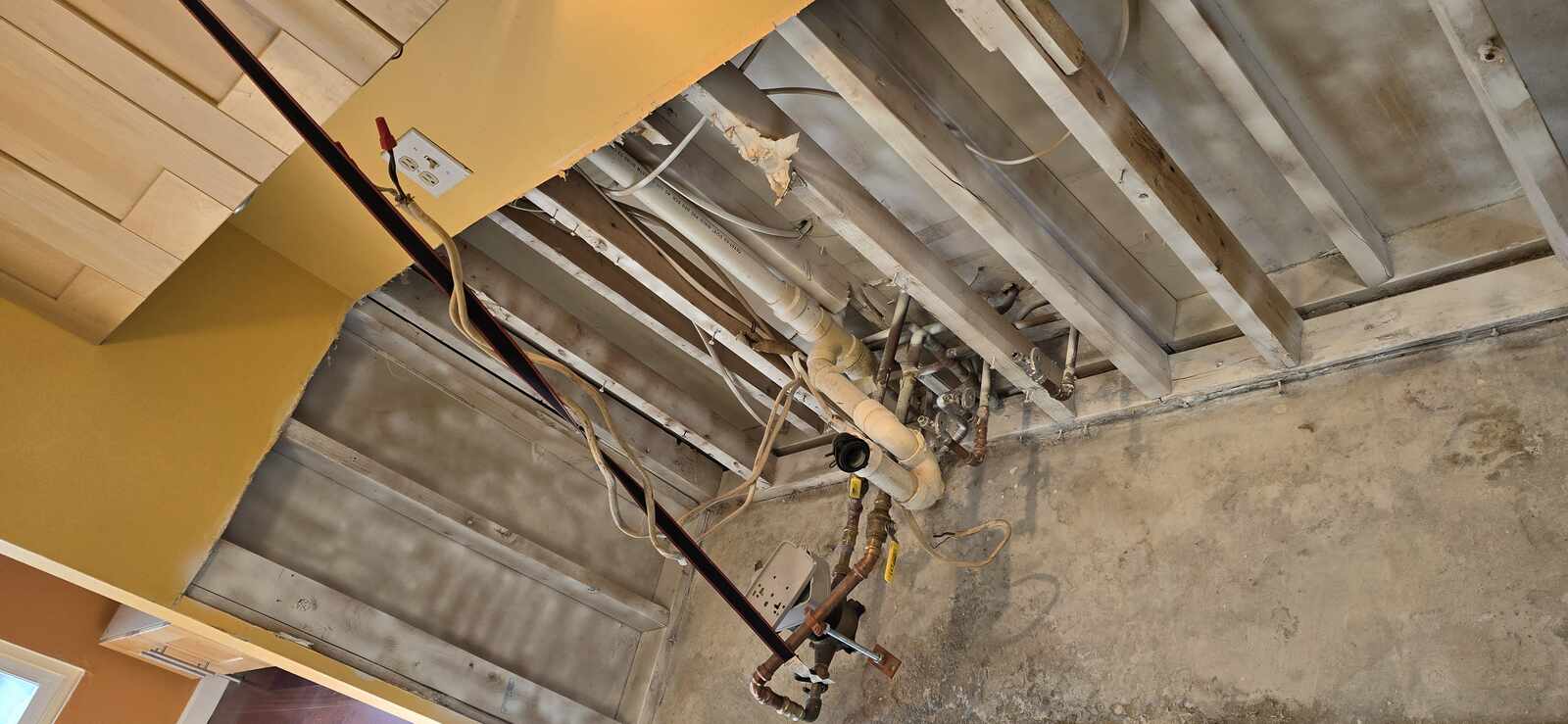
So here's the reality. If your basement stays damp, dark, and poorly circulated, mold isn't a possibility—it's inevitable. Every crack in the foundation is an invitation. Every humid summer day without a dehumidifier is another win for the spores. And every cardboard box stacked in the corner is a buffet waiting to happen.
Humidity Doesn't Need a Flood to Win
Carlisle City's climate swings create the exact conditions mold loves. Warm, humid air drifts into cool basements and condensation forms on every surface it touches. Walls sweat. Concrete stays damp. And unless you're actively pulling moisture out of the air, that humidity just sits there, breeding problems you won't notice until the damage is done.
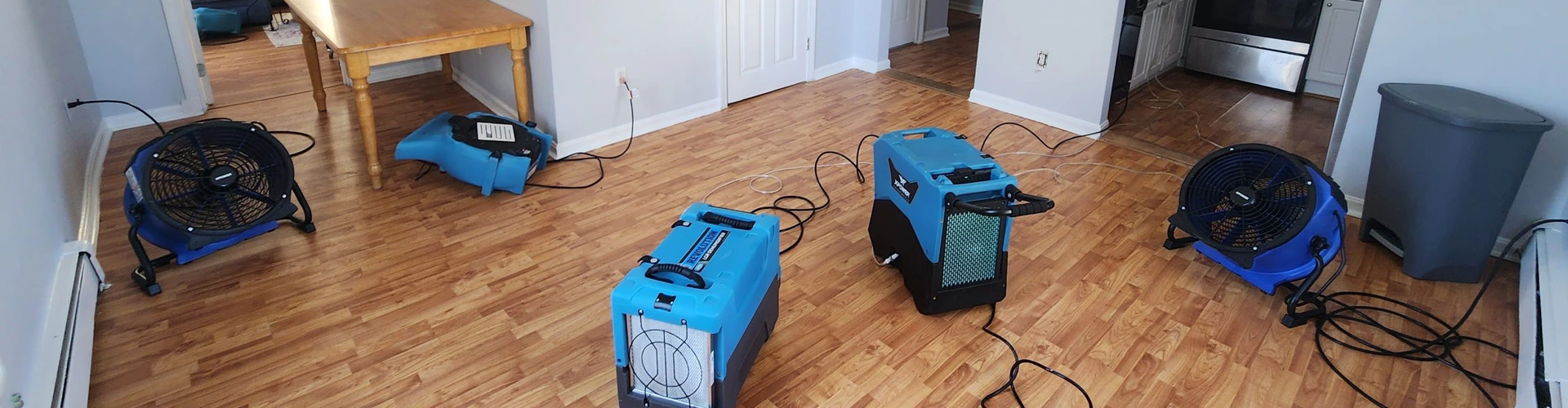
Most basements hover above 60% relative humidity during peak season—well past the threshold where black mold forms in basements. You don't need standing water. You just need air that's too wet and nowhere for it to go. Dehumidifiers aren't optional in this environment. They're the first line of defense, and skipping them is asking for trouble.
Airflow Isn't a Luxury
Stagnant air is mold's best friend. When there's no circulation, moisture settles into corners, behind furniture, and along baseboards. It pools in places you don't check and festers in spaces you don't see. Carlisle basements without proper ventilation are essentially incubators—sealed, damp, and primed for microbial growth.
Windows help, but they're not enough if you're relying on them alone. Mechanical ventilation or exhaust fans designed for below-grade spaces make the real difference. Fresh air needs to move through, and stale air needs to move out. Anything less, and you're just trapping the problem inside.
Cracks and Gaps Let the Water In
Foundations shift. Concrete cracks. Mortar crumbles. And when Carlisle gets hit with heavy rain or snowmelt, all that water finds the weakest point and pushes through. It doesn't take a catastrophic breach to create mold—just a slow, persistent seep that saturates insulation, drywall, or framing.
We've seen basements where the only visible sign was a faint water line along the base of the wall. No puddles. No obvious leak. Just enough moisture creeping in to feed mold colonies behind the vapor barrier. Professional basement waterproofing methods aren't cosmetic. They're structural protection, and it's the difference between a dry basement and one that's rotting from the inside out.
When Heavy Rain Becomes a Mold Factory
Flooding events—whether from storms, sewer backups, or sump pump failures—saturate everything. Drywall wicks water up several feet. Carpet padding holds moisture for weeks. Wood framing swells and stays damp long after the surface dries. And if you don't strip out the wet materials fast, mold moves in within 24 to 48 hours.
Carlisle's geography and drainage patterns make certain neighborhoods more vulnerable, especially those near low-lying areas or older infrastructure. After any flooding, speed matters. Professional flooded basement restoration needs to happen immediately—not when it's convenient. Mold doesn't wait, and neither should you.
Cold Walls and Warm Air Don't Mix
When humid air hits cold basement walls, condensation forms. It's basic physics, but it's also one of the most overlooked mold triggers in Carlisle homes. Inadequate or poorly installed insulation traps that moisture behind the wall, creating hidden pockets of dampness where mold can grow undetected for months.
Vapor barriers need to be on the warm side of the insulation, and they need to be intact. Gaps, tears, or improper installation turn your insulation into a sponge. The fix isn't expensive, but ignoring it is. Once mold colonizes the cavities behind your walls, mold damage restoration gets invasive—and costly.
- Install vapor barriers correctly on the warm side of insulation
- Use closed-cell foam insulation in high-moisture areas
- Seal all penetrations and gaps to prevent condensation
- Monitor wall temperatures during humid months
- Inspect insulation annually for signs of moisture damage
Cardboard, Wood, and Fabric Are Mold Magnets
Basements are storage dumping grounds, and that's exactly the problem. Cardboard boxes absorb moisture. Wooden furniture holds it. Fabric—whether it's old clothes, curtains, or upholstery—becomes a breeding site. Mold doesn't need much. Just a little humidity, some organic material, and time.
Cluttered basements make it worse. When airflow is blocked and items sit against walls, moisture gets trapped. By the time you notice the smell or the discoloration, the damage is done. Plastic bins aren't perfect, but they're better than cardboard. And anything stored in the basement should be elevated off the floor, away from walls, and kept in a well-ventilated area.
- Replace cardboard storage boxes with sealed plastic containers
- Elevate stored items at least six inches off the floor
- Keep belongings away from exterior walls
- Avoid storing fabric or paper in high-humidity zones
- Rotate stored items regularly to check for hidden moisture
Gutters, Grading, and Drainage Matter More Than You Think
Water doesn't just come through the walls. It pools around the foundation because gutters are clogged, downspouts dump too close to the house, or the grading slopes toward the basement instead of away from it. These aren't mold problems—they're drainage problems. But they create the conditions for mold to take over.
Carlisle homeowners who skip gutter maintenance or ignore grading issues are setting themselves up for chronic moisture intrusion. Water that sits against your foundation will find a way in, and once it does, the mold clock starts ticking. Fix the exterior drainage, and you cut off the supply line.
- Clean gutters at least twice a year
- Extend downspouts at least six feet from the foundation
- Regrade soil to slope away from the house
- Install French drains if pooling persists
- Inspect foundation perimeter after heavy rain
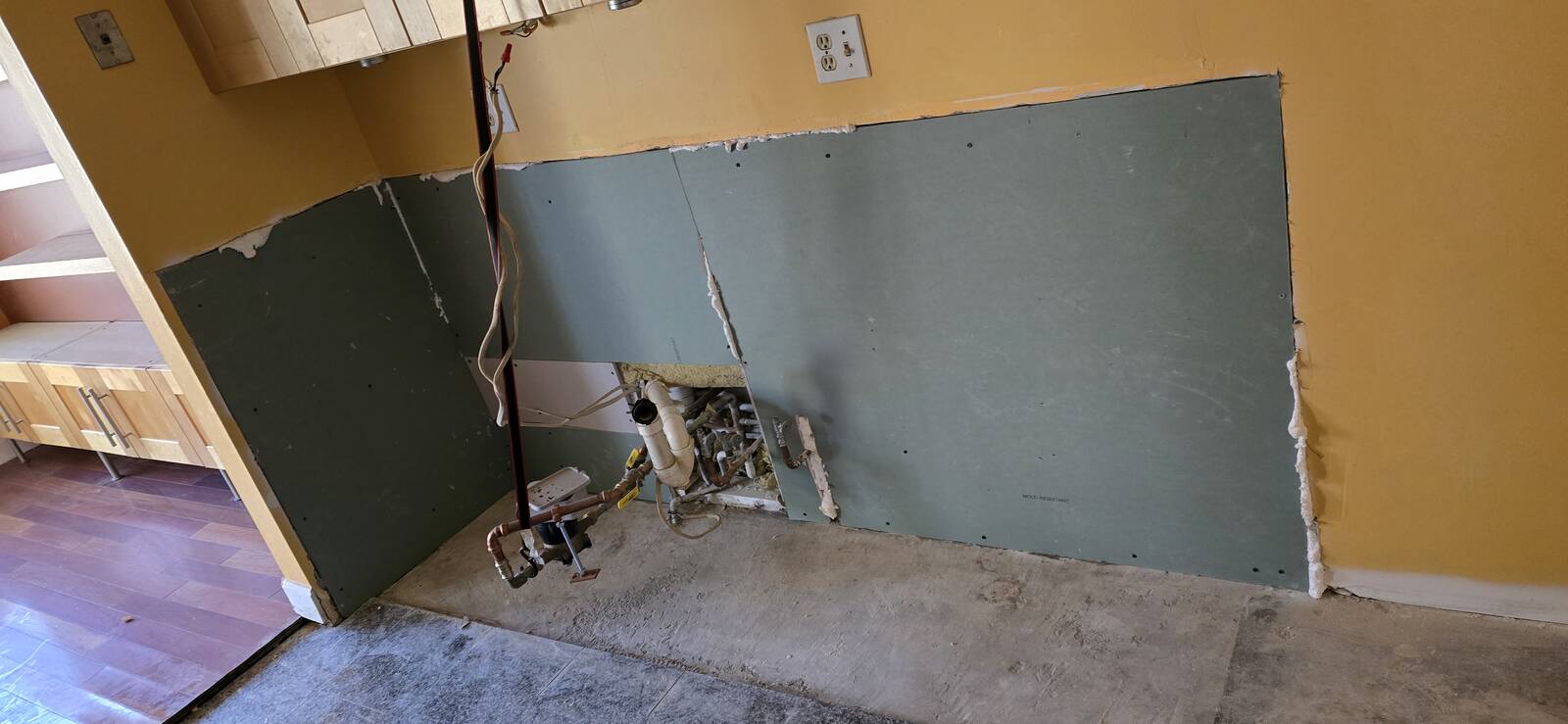
Sump Pumps Fail When You Need Them Most
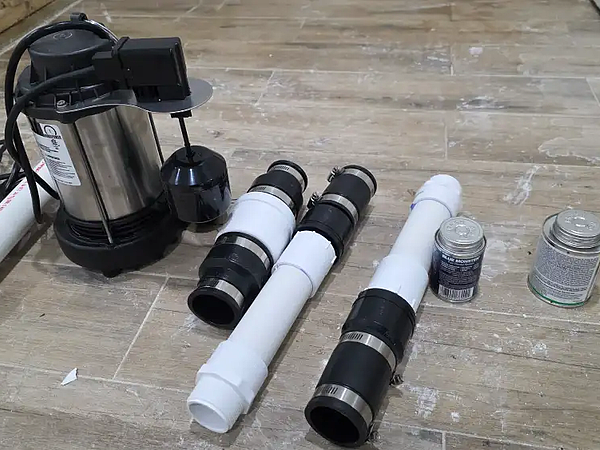
Sump pumps are supposed to keep basements dry. But they fail—often during the worst possible moment. Power outages, mechanical breakdowns, clogged discharge lines, or improper installation can all lead to a flooded basement. And when that happens, mold follows.
Testing your sump pump isn't optional. Pour water into the pit and make sure it kicks on. Check the discharge line for blockages. Install a battery backup if you don't have one. These systems are cheap insurance compared to the cost of mold removal services and structural repairs.
- Test sump pump function monthly
- Install a battery backup system
- Clear discharge lines of debris
- Replace pumps older than seven years
- Monitor pit for unusual cycling or slow drainage
Skipping Inspections Costs More Later
Most basement mold problems don't appear overnight. They build slowly, hidden behind walls, under floors, or in corners you don't check. By the time the visual signs show up, the infestation is already established. Regular inspections catch the early warning signs—moisture stains, musty odors, efflorescence, or soft spots in drywall.
Professional inspections go deeper. Moisture meters, thermal imaging, and air quality tests can identify problems before they become visible. For Carlisle homeowners, annual inspections aren't paranoia—they're smart risk management. Especially in older homes or those with a history of water damage issues.
- Schedule annual basement inspections
- Use moisture meters to check hidden areas
- Look for efflorescence on concrete walls
- Test for musty odors in enclosed spaces
- Document changes over time with photos
Prevention Beats Cleanup Every Time
Mold remediation is expensive, disruptive, and often incomplete if the underlying moisture problem isn't fixed. Carlisle basements don't need to be mold farms. They need attention, airflow, and a moisture management strategy that actually works. Dehumidifiers, proper ventilation, sealed foundations, and smart storage habits aren't overkill—they're the baseline.
The homeowners who avoid mold problems are the ones who treat their basements like part of the house, not an afterthought. They check for leaks. They test their sump pumps. They keep the humidity down and the airflow moving. And when something looks off, they don't wait. Because by the time mold is visible, the fight's already harder than it had to be.
Let’s Keep Your Basement Dry and Healthy
We know how quickly basement mold can turn from a minor nuisance into a major headache for Carlisle homeowners. If you’re ready to protect your home and want expert help tackling moisture and mold issues, let’s work together to make your basement safe and comfortable again. Call us at 978-778-6676 or schedule an appointment today and take the first step toward a healthier home.
‹ Back
Recent Posts
-
What Causes Basement Mold Problems in Carlisle City?
September 24, 2026
-
What Happens When Water Gets Behind Basement Walls in Framingham
September 10, 2026
-
Should Waltham Homeowners Replace Old Plumbing Before It Fails?
August 27, 2026
-
How Waterproofing Protects Lynn Homes Year Round
August 13, 2026
-