
What Happens When Water Gets Behind Basement Walls in Framingham
Most Framingham homeowners don't think about their basement walls until something goes wrong. But water doesn't wait for permission. It finds the cracks, the gaps, the weak spots — and once it's behind those walls, it starts working against you. The problem isn't always obvious at first. By the time you notice the damage, moisture has already been doing its thing for weeks, maybe months. And in a town where snowmelt hits hard and spring rains don't mess around, ignoring the signs is asking for trouble.
Where the Water Comes From
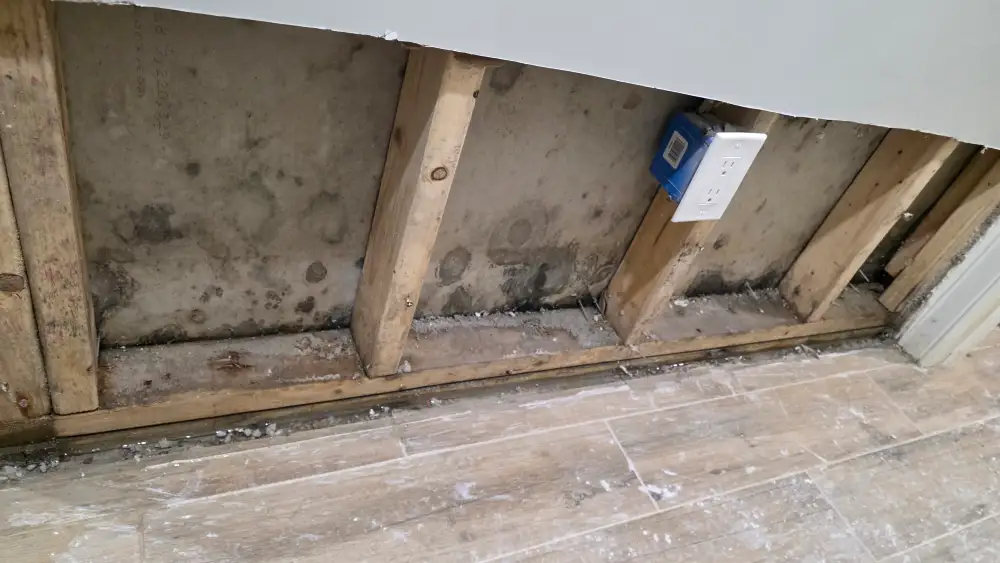
Water doesn't just appear behind basement walls. It gets there through a system of small failures — poor grading, backed-up gutters, foundation cracks that widen over time. Framingham's freeze-thaw cycles don't help. Soil swells when it's saturated, pushing against your foundation with relentless pressure. Add in old waterproofing that's lost its grip, and you've got a direct line for moisture to sneak in.
Once it breaches the exterior, water doesn't announce itself. It slips behind finished walls, settles into insulation, and starts the slow process of breaking things down. You won't see it right away. But it's there, and it's not getting better on its own.
The First Signs Something's Off
Before you see water pooling, you'll smell it. That musty, damp odor is your first warning. Then come the visual cues — paint that bubbles or peels, white chalky residue creeping along the baseboard, discoloration that spreads slowly across drywall. These aren't cosmetic issues. They're symptoms of moisture working its way through materials that were never meant to stay wet.
Some homeowners catch it early. Others wait until the damage is obvious. Either way, the clock's already ticking.
What Happens When Moisture Sits
Water behind walls doesn't just sit there politely. It gets absorbed. Wood studs swell and rot. Drywall softens and crumbles. Insulation loses its effectiveness and becomes a breeding ground for mold. The longer moisture lingers, the more it compromises structural integrity. What started as a minor leak can turn into a full-blown repair job that involves tearing out walls and replacing framing.
And then there's mold. It doesn't need much to get started — just moisture, darkness, and a little time. Once it takes hold, it spreads fast. Spores float through your HVAC system, settle in carpets, and make their way into living spaces upstairs. For anyone with allergies or respiratory issues, that's a serious health risk. Even if you're healthy, nobody wants to breathe that in. Understanding why black mold forms in basements helps prevent long-term contamination.
How It Drags Down Your Home's Value
Water damage in the basement is a red flag for buyers. They see it and start calculating repair costs, ongoing maintenance, and the headache of dealing with moisture problems down the line. Even if you patch things up before listing, a history of water intrusion can sink a sale or push your price down.
Beyond resale value, a damp basement limits how you can use the space. It becomes storage for things you don't care about, not the finished rec room or home office you had in mind. Higher humidity seeps into the rest of the house, making your HVAC work harder and driving up energy bills. Comfort takes a hit, and so does your wallet.
Steps to Keep Water Out
Prevention beats repair every time. Start with the basics — gutters that funnel water away from your foundation, grading that slopes in the right direction, downspouts that extend far enough to matter. Inspect your basement regularly. Look for hairline cracks, damp spots, or any sign that moisture is creeping in. Catch it early, and you save yourself a mountain of trouble.
If water's already behind your walls, don't wait. Bring in a professional who can assess the situation and recommend real solutions. That might mean installing a drainage system, adding a sump pump, or sealing the foundation from the outside. If mold's present, mold damage restoration isn't optional. The longer you let it sit, the worse it gets.
- Clear gutters and extend downspouts to direct water away from the foundation
- Check grading around your home to ensure it slopes away from basement walls
- Seal cracks in the foundation before they widen and let moisture through
- Install interior or exterior drainage systems to manage groundwater pressure
- Add a sump pump if your basement is prone to flooding or standing water
The Tools That Actually Work
Not every waterproofing fix is created equal. Some products promise miracles and deliver disappointment. Others are built for the long haul and actually hold up against Framingham's weather patterns. Vapor barriers, drainage mats, and quality sealants can make a real difference — but only if they're installed correctly and matched to your home's specific vulnerabilities.
- Vapor barriers to block moisture from penetrating interior walls
- Drainage mats that channel water down and away from the foundation
- High-grade sealants designed for below-grade waterproofing
- Sump pump systems with battery backup for heavy rain events
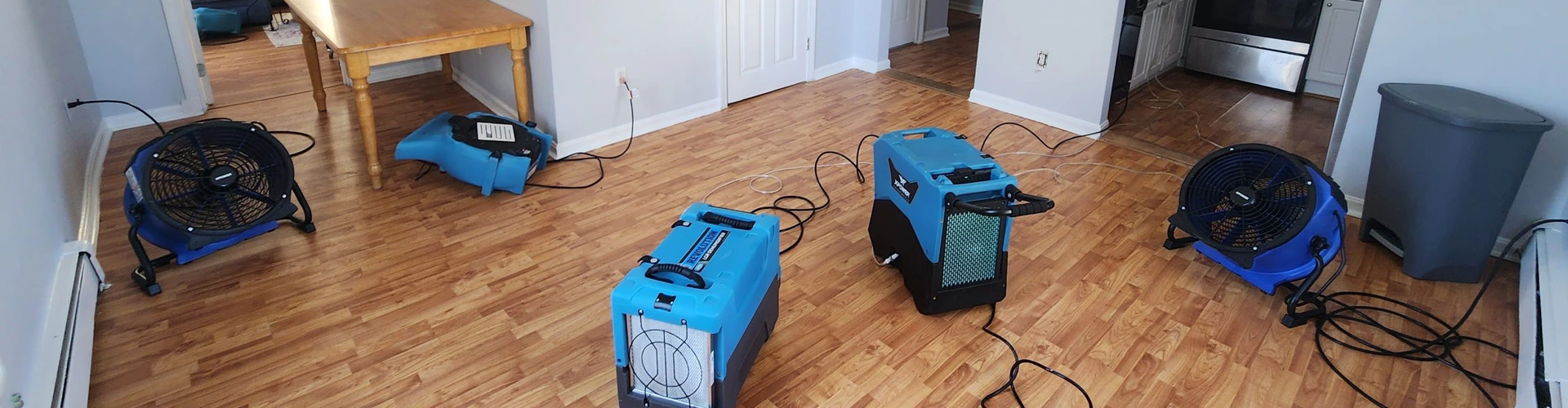
- Dehumidifiers to control moisture levels after water intrusion is addressed
When DIY Doesn't Cut It
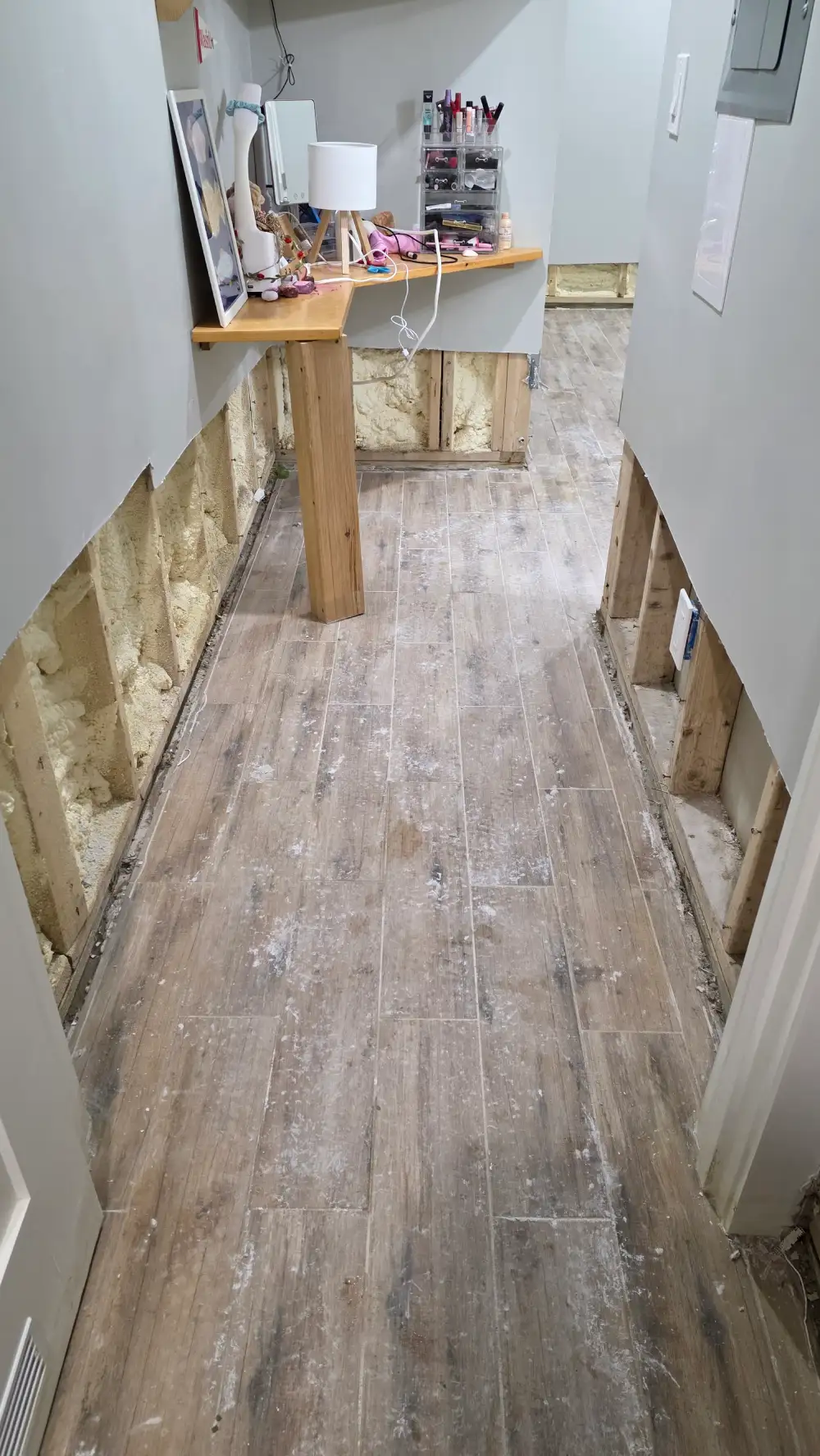
Some homeowners try to handle water problems themselves. They patch cracks, run a dehumidifier, and hope for the best. That works for minor surface moisture. It doesn't work when water's been sitting behind walls for weeks or when structural damage is already in play. A professional can identify the source, map out the extent of the damage, and build a plan that actually solves the problem instead of masking it.
- Foundation specialists who can assess structural integrity and recommend repairs
- Waterproofing contractors with experience in Framingham's soil and climate conditions
- Mold remediation experts who can safely remove contamination and prevent regrowth
- Plumbers who can trace leaks from pipes or fixtures contributing to moisture buildup
- HVAC technicians who can improve ventilation and reduce humidity levels
What It Costs to Ignore the Problem
Delaying repairs doesn't save money. It multiplies costs. A small crack that could've been sealed for a few hundred dollars turns into a foundation repair that runs into the thousands. Drywall replacement, mold remediation, HVAC strain — it all adds up. And if you're financing the fix later, you're doing it under pressure, often with fewer options and higher urgency. Recognizing signs of hidden water damage prevents escalating costs.
- Foundation crack sealing can range from a few hundred to a couple thousand depending on severity
- Interior drainage systems typically cost between $2,000 and $6,000 for most basements
- Mold remediation can run $1,500 to $5,000 depending on the extent of contamination
- Structural repairs for damaged framing or walls can escalate quickly into five-figure territory
- Ongoing energy costs from poor insulation and high humidity add hundreds annually
Documentation Keeps You Protected
If you're dealing with water damage and planning to file an insurance claim, documentation is everything. Take photos of the damage, keep receipts for repairs, and get written assessments from contractors. Without a paper trail, you're fighting an uphill battle. Insurers want proof — give it to them, and you'll have a much smoother process.
- Photograph all visible water damage, stains, and structural issues from multiple angles
- Keep copies of contractor estimates, invoices, and work orders
- Document the timeline of when you first noticed the problem and when you took action
- Request written reports from waterproofing or mold inspectors detailing their findings
- Maintain records of any previous repairs or maintenance related to basement moisture
Your Basement Deserves Better
Water behind basement walls isn't something you ignore and hope goes away. It's a problem that grows quietly until it forces your hand. Framingham homes face real moisture pressure, and the ones that hold up are the ones where owners stay ahead of it. Clean gutters, sealed cracks, proper drainage — it's not glamorous, but it works. Knowing what to do with a flooded basement and understanding professional basement waterproofing methods means the difference between a manageable fix and a major renovation. Professional water damage restoration protects what you've built, keeps the water out, and keeps your basement dry.
Let’s Protect Your Home Together
We know how quickly water behind basement walls can turn from a minor nuisance into a major headache. Let’s get ahead of the problem and keep your Framingham home safe, dry, and comfortable for years to come. If you’re ready for real solutions, give us a call at 978-778-6676 or schedule an appointment with our team today.
‹ Back
Recent Posts
-
What Happens When Water Gets Behind Basement Walls in Framingham
September 10, 2026
-
Should Waltham Homeowners Replace Old Plumbing Before It Fails?
August 27, 2026
-
How Waterproofing Protects Lynn Homes Year Round
August 13, 2026
-
-