
Signs Water Damage in Billerica Needs Professional Help
Most homeowners treat water damage like it's just a cleanup job. Towels down, fans on, problem solved. But moisture doesn't care about your schedule—it seeps, it spreads, and it leaves damage you won't see until it's expensive. Billerica homes deal with freeze-thaw cycles, old plumbing, and weather that changes by the hour. If you're spotting warning signs and hoping they'll disappear, you're setting yourself up for worse.
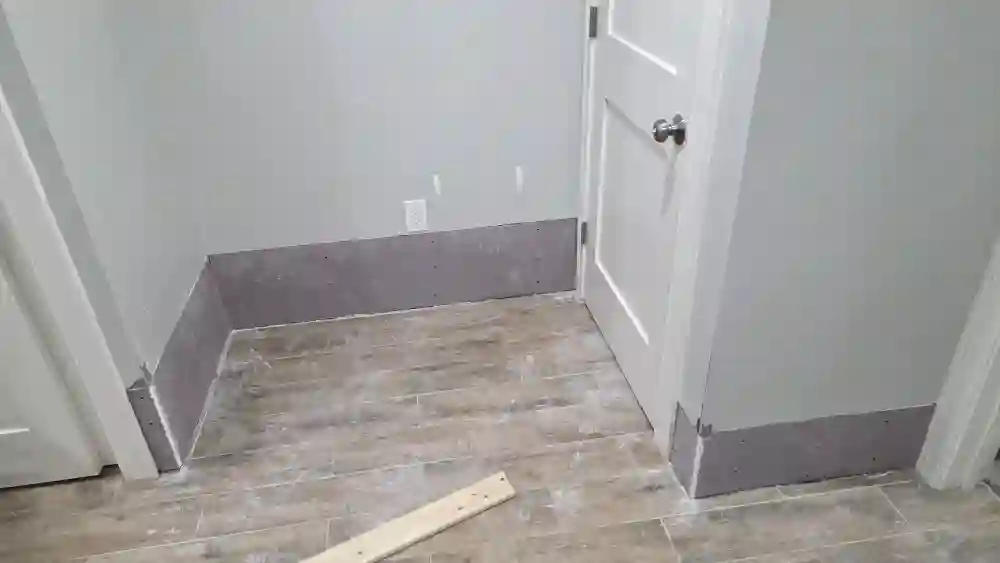
So here's what we're saying. If you're seeing any of the red flags below, that's not something you ride out with a dehumidifier from Target. Every delay gives mold a foothold. Every ignored stain means structural wood is softening. And every day you wait is another chance for a small fix to turn into a full gut job.
That Smell Isn't Going Away on Its Own
You know the one—damp, earthy, like wet cardboard left in a closet. That's not just stale air. That's mold growth, hidden behind drywall or under subflooring, feeding on moisture you can't reach with a spray bottle. Air fresheners won't touch it. Ventilation might slow it down, but it won't kill the source. If the smell lingers after you've cleaned and dried the visible mess, the damage is deeper than you think.
Professionals don't just mask the odor—they track it. Moisture meters, thermal imaging, and real equipment designed to find what's rotting where you can't see. DIY only works if the problem is surface-level. Once it's structural, you're out of your depth.
Mold Patches Mean the War's Already Started
Black spots on the ceiling. Fuzzy growth in the corner. Discoloration around the windowsill. That's mold announcing itself. By the time you see it, the colony's been there for a while—and there's usually more where that came from. Scrubbing it off the surface doesn't solve anything. You're just giving it time to regroup.
Mold isn't just ugly. It's a health risk, especially for kids, older adults, or anyone with asthma. And once it spreads into insulation or HVAC ducts, you're looking at replacement costs that make mold damage restoration look cheap. Get ahead of it before it owns your walls.
Paint and Wallpaper Don't Bubble for Fun
When water gets trapped behind a wall, the surface materials react. Paint blisters. Wallpaper peels. Drywall softens. That's not cosmetic—it's structural. Moisture is sitting inside the wall cavity, and the longer it stays, the weaker everything gets. You might think slapping on a fresh coat of paint will hide it. It won't. The bubble will come back, and the damage underneath will keep spreading.
Professionals pull back the layers and dry the core. They don't just cover symptoms—they eliminate the cause. If you're seeing bubbles or cracks, especially near bathrooms, kitchens, or exterior walls, that's a sign the water's been sitting long enough to do real harm.
Floors That Warp or Sag Are Screaming
Wood doesn't buckle on its own. It swells when it absorbs moisture, and once that happens, the floor loses its integrity. You might notice soft spots, uneven boards, or sections that feel spongy underfoot. That's not wear and tear—that's water sitting in the subfloor, breaking down the foundation of your home. Ignoring it means the damage spreads to joists, supports, and everything underneath.
Flooring repairs aren't cheap, but replacing compromised structural beams is far worse. Pros can assess how deep the damage goes and whether you need localized fixes or a full tear-out. Either way, you won't know until someone pulls back the surface and looks at what's really happening.
When the Stain Keeps Growing
Water stains don't stay still. They start small—a yellowish ring on the ceiling, a brownish streak down the wall. Then they expand. That's because the leak hasn't stopped. The moisture is still active, still spreading, and still feeding whatever's growing in the damp material. Painting over it is like putting a Band-Aid on a broken bone.
Tracking the stain back to its source isn't guesswork—it takes experience and the right tools. Could be a roof leak, a busted pipe, condensation from poor insulation, or a dozen other causes. Without fixing the origin, the stain will be back in a week.
Your Water Bill Jumped and You Don't Know Why
Random spikes in water usage usually mean one thing—something's leaking. Could be a toilet that's running nonstop, a pinhole in a supply line, or a slab leak you can't even access. If you've checked the obvious culprits and the meter's still spinning, the leak's hiding somewhere. Left unchecked, it's not just wasting water—it's soaking into floors, walls, and foundations.
Leak detection specialists use acoustic sensors and pressure tests to pinpoint the problem without tearing up your entire house. The sooner you find it, the less damage it does. Waiting until you see visible signs means it's been leaking for weeks—or longer.
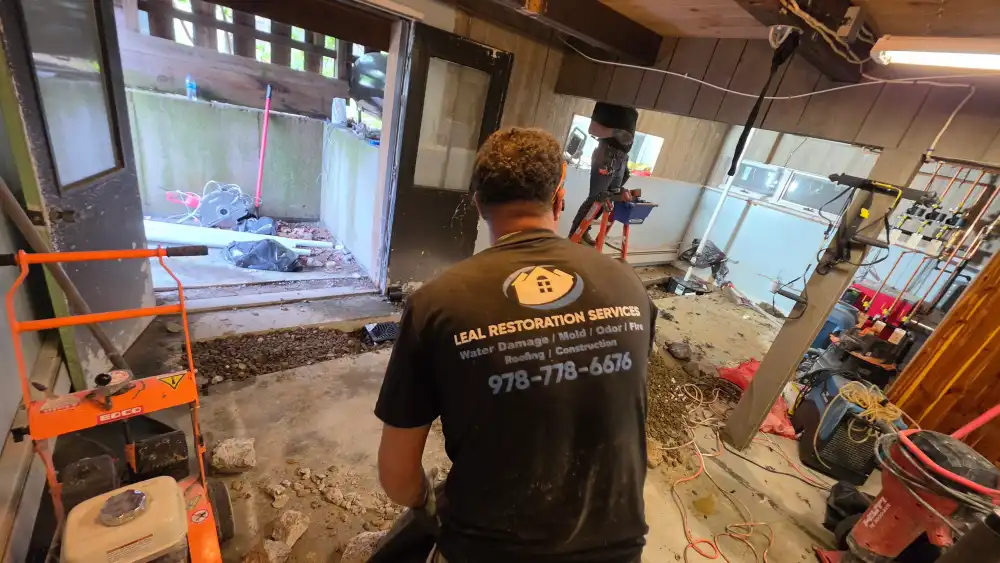
Electrical Problems After Water Exposure
If outlets stop working, lights flicker, or breakers trip after a water event, shut it down and call someone who knows what they're doing. Water and electricity aren't negotiable. Moisture can corrode wiring, create short circuits, and turn your home into a fire hazard. This isn't DIY territory—it's life safety.
Professionals assess whether wiring needs replacement, whether insulation is compromised, and whether the moisture has reached junction boxes or panels. Skipping this step to save a few bucks isn't brave—it's reckless.
Why Pros Get Results DIY Doesn't
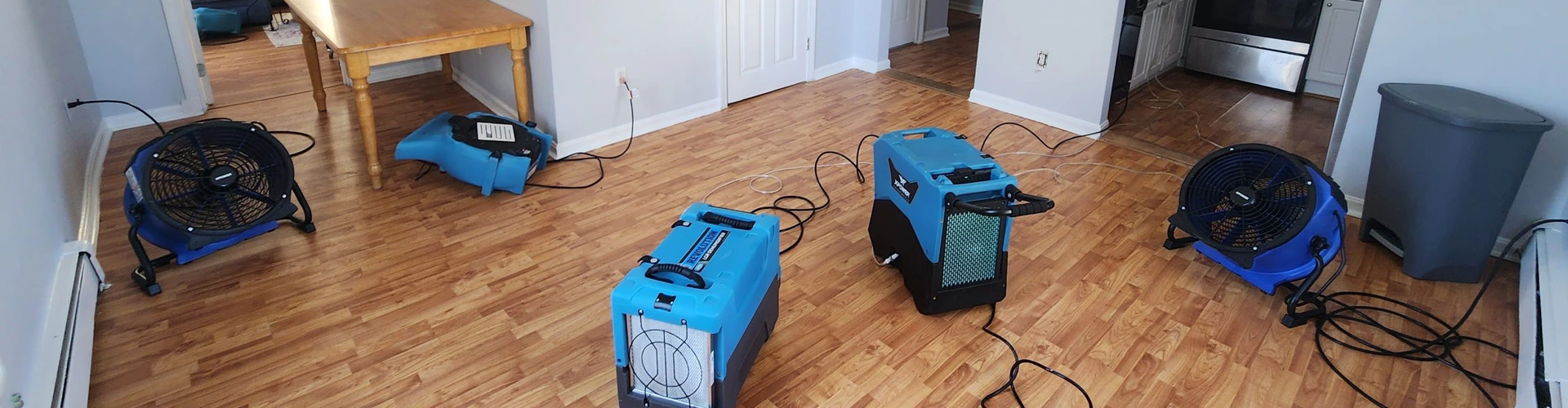
You can dry what you see. You can't dry what you don't. Professionals bring industrial fans, dehumidifiers, moisture meters, and infrared cameras. They know where water hides—inside wall cavities, under flooring, in crawlspaces, and behind baseboards. They also know when materials need replacing instead of just drying. That distinction saves you from repeat problems and wasted effort.
Most water damage failures happen because homeowners stop at the visible mess. The unseen moisture keeps working, and months later, mold blooms or floors collapse. Getting it right the first time means bringing in someone who's seen it all before.
What Waiting Actually Costs You
A proper restoration starts with assessment—finding every wet spot, measuring moisture levels, and documenting everything. Then comes extraction, drying, sanitizing, and repairs to drywall, flooring, and anything else that got damaged. Good companies show you readings, explain the plan, give you a timeline, and work directly with your insurance. That documentation is critical because most claims get denied without it, and policies require you to start mitigation right away.
Every day you wait, the damage spreads and the cost multiplies. Mold grows, wood rots, drywall crumbles, and electrical systems corrode. A $500 fix turns into a $5,000 rebuild fast. Delays also give insurance companies a reason to deny your claim since most policies expect prompt action. Moisture moves quickly and gets harder to remove the longer it sits—the smart move is always the fast one.
When Water Damage Needs Professional Help
Don't ignore the warning signs. Musty smells that linger after cleaning, visible mold on walls or ceilings, peeling paint near wet areas, floors that feel soft or warped, and water stains that keep coming back all mean the problem runs deeper than surface level. What looks dry on top often hides moisture behind walls or under floors, and waiting only lets mold spread and structural damage worsen.
Professionals use moisture detection tools to find hidden water, industrial drying equipment to remove it completely, and proper mold remediation protocols to kill spores and stop regrowth. They'll assess structural damage, tell you what can be saved, and provide documentation that helps with insurance claims. The biggest mistakes people make are assuming visible drying means it's fixed, painting over stains without fixing the source, or waiting until damage gets worse because it doesn't seem "bad enough" yet.
The sooner you call, the more you save in repairs and health risks. Water damage spreads fast, and mold can start growing within 24-48 hours.
When to Stop and Call a Professional
DIY methods work for small spills, but some situations require expert help from the start. If the affected area is larger than a few square feet, water came from a contaminated source like a sewage backup or flood, moisture has been sitting for more than 48 hours, you're dealing with structural materials like subflooring or studs, or you see or smell mold, it's time to call in professionals. These scenarios involve health risks and damage that home equipment simply can't handle.
Speed matters because mold can start growing within 24 to 48 hours, and materials like drywall and insulation lose their integrity fast once they're soaked. Wood warps and rots quickly without proper drying, and insurance companies expect you to start mitigation right away. The longer you wait, the more damage spreads and the higher your repair costs climb.
Stop Hoping It'll Dry on Its Own
Water damage doesn't get better with time. It compounds. What looks manageable today becomes a full-scale disaster in a week. And the longer you wait, the more leverage you lose with insurance, the more mold you're dealing with, and the more money you're throwing at a problem that should've been handled when it was small.
If you're seeing any of the signs we've covered, the move is simple—call someone who knows what they're doing. Get the assessment. Get the plan. And get the moisture out before it takes the rest of your house with it. For residents facing these issues, water damage repair in Billerica requires experienced professionals who understand local conditions and respond quickly to prevent further deterioration.
Let’s Restore Your Home—Together
We know how overwhelming water damage can feel, but you don’t have to tackle it alone. Let’s put a stop to the spread, protect your investment, and get your home back to normal before the damage gets worse. If you’re ready for real answers and real solutions, call us at 978-778-6676 or schedule an appointment and let’s get your home on the road to recovery.
‹ Back
Recent Posts
-
Signs Water Damage in Billerica Needs Professional Help
October 8, 2026
-
What Causes Basement Mold Problems in Carlisle City?
September 24, 2026
-
What Happens When Water Gets Behind Basement Walls in Framingham
September 10, 2026
-
Should Waltham Homeowners Replace Old Plumbing Before It Fails?
August 27, 2026
-
How Waterproofing Protects Lynn Homes Year Round
August 13, 2026