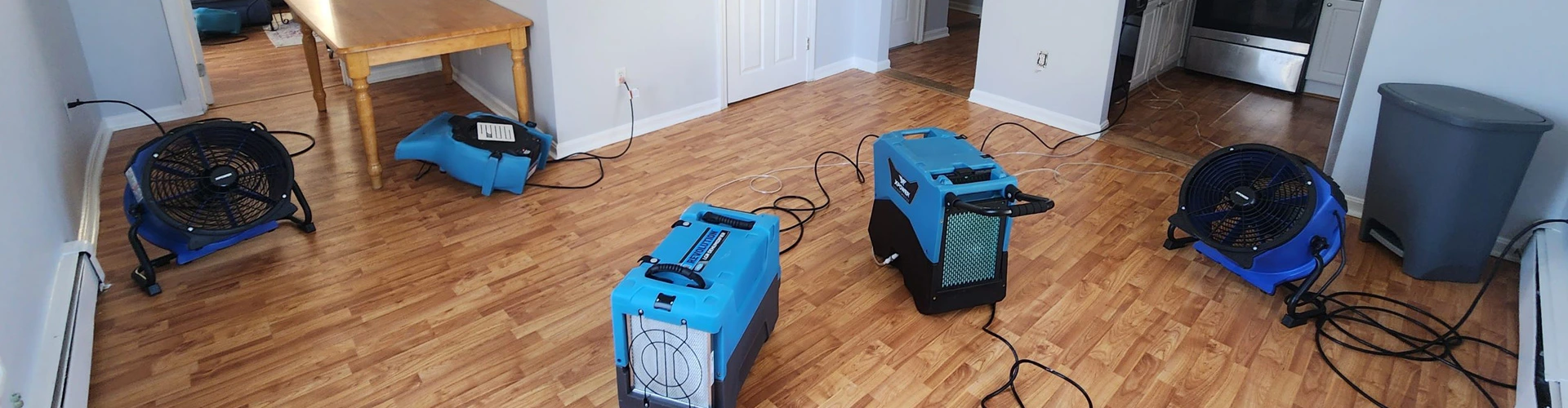
Dealing With Lingering Smoke Damage After a Fire in Bedford
Most property owners in Bedford think the worst is over once the fire trucks leave. It's not. Smoke damage doesn't vanish with the flames—it burrows into drywall, carpets, ductwork, and personal belongings. The odor lingers. The particles stick. And if you ignore them, they'll keep breaking down your property and your health. This isn't about cosmetics. It's about chemistry, and the clock starts ticking the moment the last ember dies.
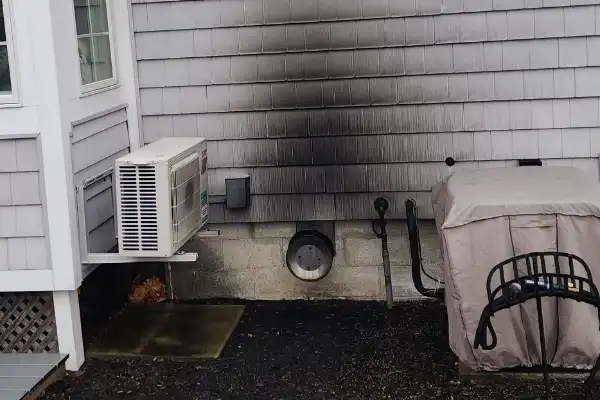
So here's what matters. If your Bedford property survived a fire, you're not just cleaning up—you're fighting against residue that's acidic, corrosive, and stubborn. Every hour that passes lets those particles dig deeper. Every surface that doesn't get treated becomes harder to restore. And every shortcut you take now will cost you more later—in repairs, in health, and in peace of mind.
What Smoke Actually Does to Your Property
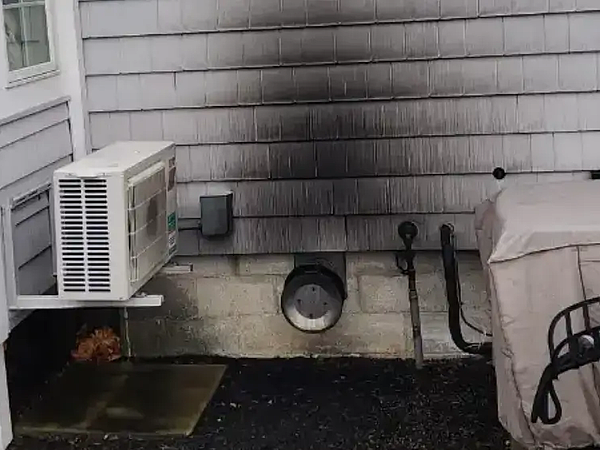
Smoke isn't just a bad smell. It's a cocktail of chemicals, soot, and microscopic particles that embed themselves into porous materials the second they make contact. Wood absorbs it. Fabric traps it. Metal corrodes from it. The damage compounds over time, especially in Bedford homes with older construction or intricate trim work where smoke finds every crack and corner.
The residue left behind is acidic enough to etch glass, discolor paint, and eat through finishes. And the longer it sits, the more permanent it becomes. That's why immediate action isn't optional—it's the only way to prevent what starts as surface damage from becoming structural failure.
The Health Risks Nobody Talks About Enough
Breathing in smoke residue isn't just uncomfortable—it's dangerous. The fine particles irritate airways, trigger asthma attacks, and aggravate allergies. Kids and elderly family members are especially vulnerable. Even if you don't have pre-existing conditions, prolonged exposure can weaken your immune system and lead to chronic respiratory issues.
You can't see most of the damage, but your lungs feel it. And if you're sleeping, working, or spending hours in a space that hasn't been properly remediated, you're essentially living in a low-grade hazard zone. That's not a scare tactic—that's biology.
First Moves After the Fire Department Clears Out
Once you're allowed back inside, ventilation becomes priority one. Crack open windows and prop doors—anything to get airflow moving. But don't flip on your HVAC system. That'll just circulate smoke particles into every room, ductwork included. If you've got items that weren't directly hit, move them out fast. The longer they sit in that environment, the more they absorb.
Document everything with photos and notes. You'll need that for insurance claims, restoration quotes, and your own sanity. And don't try to wipe down walls or scrub surfaces yourself—you might make it worse by spreading residue or pushing it deeper into materials.
Why You Need Professional Assessment
Most smoke damage isn't obvious. Soot on the ceiling? Sure. But what about the particles trapped behind baseboards, inside wall cavities, or coating the inside of your HVAC system? A certified restoration team in Bedford will use thermal imaging, air quality testing, and surface sampling to map out the full scope of contamination. They'll find what you can't see—and that's what separates real restoration from surface-level cleanup.
Look for local companies with IICRC certification and solid reviews from Bedford residents. They know the area's building styles, understand local codes, and can mobilize quickly. Speed matters here. The longer you wait, the more entrenched the damage becomes.
The Tools and Tactics That Actually Work
Professional restoration isn't about wiping things down with a sponge and calling it a day. It's a multi-step process built around science, not guesswork.
- HEPA vacuums and dry sponges remove loose soot without smearing it deeper into surfaces
- Chemical cleaning agents break down acidic residue on walls, ceilings, and hard surfaces
- Thermal fogging disperses deodorizing particles that bond with smoke molecules and neutralize them at the source
- Ozone generators and hydroxyl machines eliminate odors without masking them, reaching areas no sponge ever will
- Air scrubbers and dehumidifiers pull contaminants from the air and control moisture levels to prevent secondary damage
What Happens to Your Belongings
Not everything exposed to smoke is a total loss. Furniture, clothing, electronics, and personal items can often be saved—if they're treated correctly and quickly. Restoration professionals will assess each item, clean what's salvageable, and document what isn't. That documentation protects you when filing insurance claims and makes the entire process more transparent.
Textiles get deep-cleaned and deodorized using specialized equipment. Electronics are tested and cleaned with anti-static solutions. Hard goods are scrubbed, sealed, or refinished depending on the material. But none of that works if the items sit untreated for days or weeks. Time is the enemy here.
Preventing the Next Disaster
Once your Bedford property is restored, don't assume you're immune to future fires. Prevention is cheaper and easier than recovery.
- Install smoke detectors on every level and test them monthly—batteries die, sensors fail
- Keep fire extinguishers accessible in the kitchen, garage, and near bedrooms
- Inspect electrical panels and outlets for signs of wear, overheating, or corrosion
- Service heating equipment annually and clean dryer vents regularly
- Store flammable materials properly and never leave candles, space heaters, or stoves unattended
Why Bedford-Based Expertise Matters
Hiring a local fire damage restoration company isn't just about convenience—it's about competence. Bedford properties have specific challenges: older homes with plaster walls, historic details that require delicate handling, and seasonal weather patterns that affect drying times and mold risk. A team that knows the area understands those variables and adjusts their approach accordingly.
Local crews also respond faster. When smoke damage is involved, every hour counts. A company based in Bedford can have technicians on-site the same day, containing the damage before it spreads further.
Insurance Complications You Should Expect
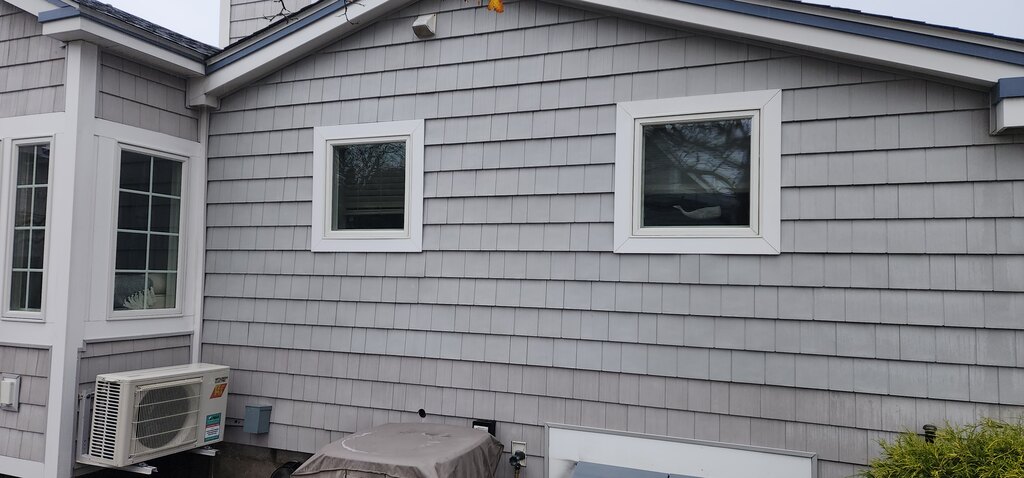
Filing a smoke damage claim isn't always straightforward. Insurers will want detailed documentation, estimates, and proof that the damage was fire-related and not neglect. That's where working with a restoration company experienced in insurance claims becomes invaluable. They'll provide the paperwork, communicate directly with adjusters, and help you avoid common pitfalls that delay or reduce payouts.
Keep every receipt, every photo, and every written estimate. If your insurer pushes back, you'll need that trail to support your case. And if you're dealing with a total loss or a denied claim, consider consulting a public adjuster who works for you, not the insurance company.
Common Mistakes That Make Everything Worse
We've seen property owners try to cut corners, and it always backfires. Here's what not to do:
- Using household cleaners on soot can smear it deeper into surfaces and set the stain permanently
- Turning on the HVAC too soon spreads smoke particles throughout the entire building
- Waiting days to call a restoration company gives corrosive residue time to cause irreversible damage
- Mixing personal sentiment with salvage decisions can cloud judgment—let professionals assess what's truly savable
- Skipping air quality testing means you're guessing about whether your property is safe to occupy
Restoration Timelines Depend on Severity
How long will it take? That depends on the extent of the fire, the materials affected, and how quickly you act. Minor smoke damage in a single room might be resolved in a few days. A whole-house fire with structural involvement could take weeks or months. Either way, rushing the process to save time will cost you more in the long run. Proper drying, cleaning, and deodorizing can't be skipped—not if you want your property truly restored.
Your restoration team should provide a clear timeline upfront, with milestones and checkpoints along the way. If they can't give you that, find someone who can.
What Clean Really Means
Smoke damage in Bedford isn't something you can cover up with air fresheners or a fresh coat of paint. Real restoration of residential items means pulling out contaminated materials, treating what can be saved, and rebuilding what can't. It means eliminating odors at the molecular level, not masking them. And it means testing air quality until you're certain the space is safe—not just livable, but safe. Professional odor removal services address contamination at its source, ensuring your property doesn't just look clean but truly is clean. Comprehensive disaster recovery services handle everything from initial assessment to final air quality testing. Specialists in construction and post-construction cleaning ensure rebuilt areas meet safety standards and are free from residual contamination. That's the standard worth holding onto, even when the process feels long or expensive. Because anything less is just putting a Band-Aid on a chemical burn.
Let’s Restore Your Peace of Mind
Smoke damage can feel overwhelming, but you don’t have to face it alone. Together, we can bring your Bedford property back to a safe, healthy state—no lingering odors, no hidden hazards. If you’re ready to take the next step, give us a call at 978-778-6676 or schedule an appointment and let’s get your home or business truly restored.
‹ Back
Recent Posts
-
Dealing With Lingering Smoke Damage After a Fire in Bedford
October 22, 2026
-
Signs Water Damage in Billerica Needs Professional Help
October 8, 2026
-
What Causes Basement Mold Problems in Carlisle City?
September 24, 2026
-
What Happens When Water Gets Behind Basement Walls in Framingham
September 10, 2026
-
Should Waltham Homeowners Replace Old Plumbing Before It Fails?
August 27, 2026