
Should Waltham Homeowners Replace Old Plumbing Before It Fails?
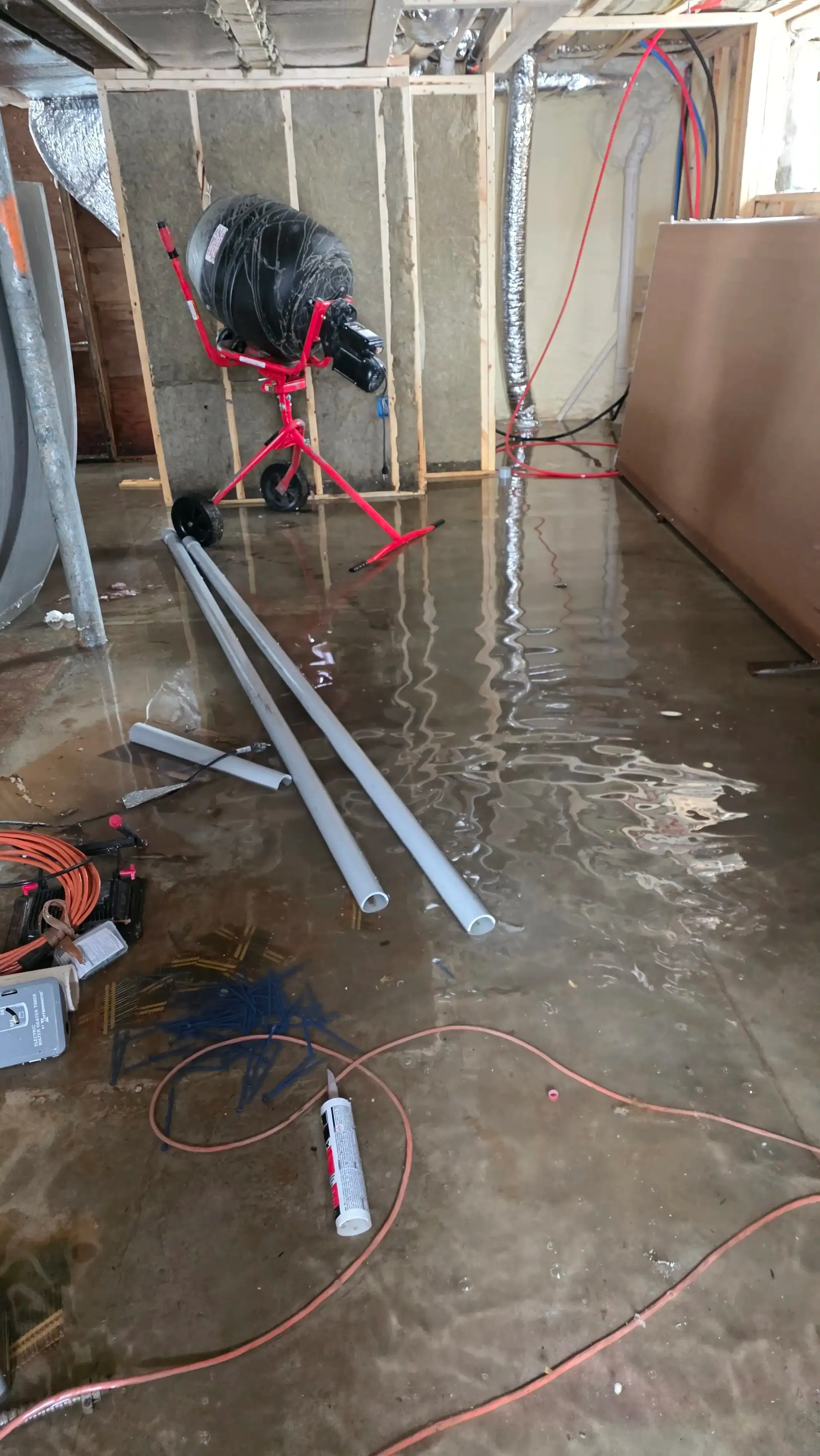
Most Waltham homeowners don't think about their pipes until there's a puddle on the floor. That's a problem. Your plumbing system isn't just about convenience—it's about structural integrity, water quality, and avoiding a disaster that turns your basement into a wading pool. Aging pipes don't send warnings. They corrode quietly, rust internally, and fail without asking permission. The question isn't whether old plumbing will fail. It's whether you'll deal with it on your terms or theirs.
Replacing plumbing before it breaks gives you control. It lets you plan, budget, and avoid the chaos that comes with emergency water extraction and drywall reconstruction. But it's also not cheap. So the real decision comes down to risk tolerance, the age of your system, and whether you're willing to gamble on pipes that may have been installed before you were born.
When Pipes Go Bad, They Go Big
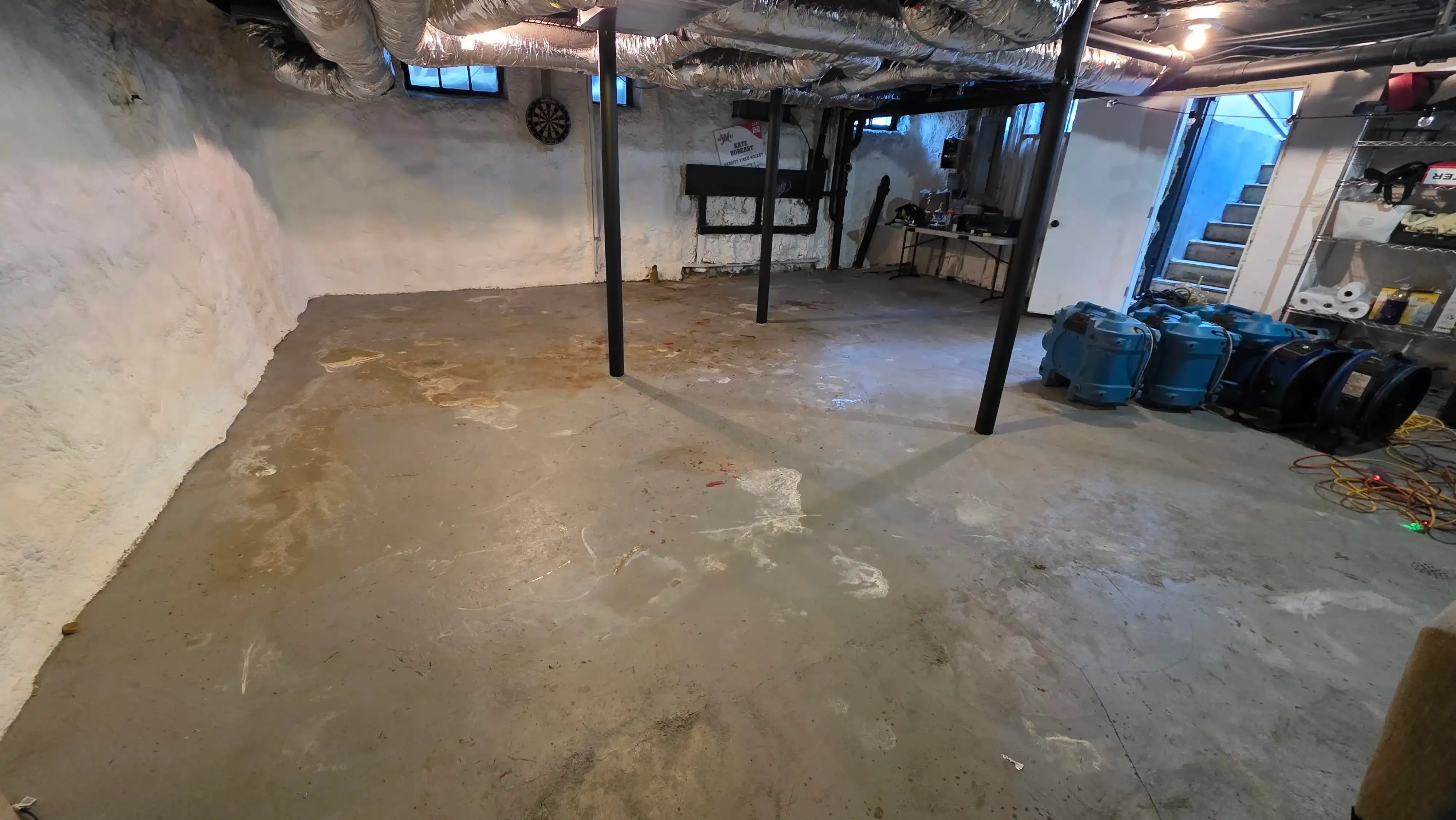
Old plumbing doesn't just leak—it ruptures. And when it does, the damage spreads fast. Water seeps into subflooring, soaks through insulation, and creates the perfect breeding ground for mold. We've seen homes where a single burst pipe turned into a five-figure insurance claim and weeks of displacement. That's not a scare tactic. That's what happens when galvanized steel or cast iron finally gives out after decades of slow deterioration.
Emergency repairs are also more expensive. When you're calling a plumber at midnight because water is pouring through your ceiling, you're not negotiating rates. You're paying whatever it takes to stop the bleeding. Compare that to scheduling a planned replacement with professional plumbing repairs and services, getting competitive bids, and choosing materials that actually improve your home's long-term performance. The cost difference is real.
The Warning Signs Are Already There
Most homeowners ignore the early indicators because they seem minor. Discolored water? Maybe it's just a fluke. Low pressure? Probably just the city supply. But these aren't isolated issues—they're symptoms of a system breaking down from the inside. If your pipes are showing any of these red flags, waiting isn't a strategy. It's a gamble.
- Water coming out rust-colored or cloudy
- Pressure drops when multiple fixtures run
- Frequent small leaks in different locations
- Visible corrosion on exposed pipes
- Banging or knocking sounds when water is turned on
Each of these points to internal degradation. Rust doesn't wash away. Corrosion doesn't reverse. And once the structural integrity of a pipe is compromised, it's only a matter of time before it fails completely. If you're seeing multiple warning signs, the clock is already running.
Materials Matter More Than You Think
Not all plumbing systems age the same way. Homes built before 1970 often used galvanized steel, which rusts from the inside out. Older properties may still have cast iron drain lines, which crack and collapse over time. Some even have lead pipes, which present serious health risks regardless of whether they leak.
Modern materials like copper and PEX offer superior durability and resistance to corrosion. Copper lasts decades longer than galvanized steel and maintains water quality. PEX is flexible, easy to install, and less prone to freezing damage. If your home still has original plumbing from the 1950s or 1960s, upgrading isn't just about preventing failure—it's about improving performance across the board.
What Replacement Actually Involves
Replacing old plumbing isn't a weekend project. It's invasive, time-consuming, and requires opening walls, floors, and ceilings to access hidden pipes. The scope depends on the size of your home and the extent of the replacement, but most full-system upgrades take several days to complete.
That said, the disruption is manageable if planned correctly. Many homeowners schedule plumbing replacement during other renovation work—kitchen remodels, bathroom upgrades, or basement finishing projects. This minimizes the number of times contractors need to open walls and allows you to address multiple issues in one shot.
- Full inspection to assess pipe condition and identify problem areas
- Removal of old piping, including supply lines and drain systems
- Installation of new pipes with updated materials
- Pressure testing to ensure no leaks or weak points
- Wall and ceiling repairs to restore finished surfaces
The process isn't fun, but it's finite. And once it's done, you're looking at a system that should last another 50 years or more with minimal maintenance. Compare that to patching leaks every few years and hoping nothing catastrophic happens in between.
The Financial Equation
Replacing plumbing is expensive. Depending on the size of your home and the complexity of the work, costs can range from several thousand to tens of thousands of dollars. That's a real number, and it's not one most homeowners budget for casually.
But consider the alternative. Emergency water damage restoration can easily exceed the cost of planned replacement, especially if mold damage restoration or structural repairs are needed. Homeowners insurance may cover sudden failures, but premiums can spike afterward, and some policies exclude damage from gradual deterioration. If your insurer determines the failure was due to neglected maintenance, you could be left holding the bill entirely.
- Planned replacement allows for competitive bidding and material selection
- Emergency repairs come with premium pricing and limited options
- Water damage restoration often costs more than the plumbing work itself
- Upgraded plumbing can improve home value and appeal to buyers
- Long-term savings from reduced maintenance and improved efficiency
There's also the opportunity cost. Money spent on repeated patch jobs adds up over time, and those fixes don't add value to your home. A new plumbing system does. If you're planning to sell within the next decade, having modern, reliable plumbing is a selling point that buyers notice.
Timing Is Everything
The best time to replace old plumbing is before you need to. That sounds obvious, but most homeowners wait until they have no choice. By then, they're dealing with water damage, displaced belongings, and the stress of an emergency situation.
If your home is more than 50 years old and still has original plumbing, it's worth getting an inspection even if everything seems fine. A licensed plumber can assess pipe condition, identify weak points, and give you a realistic timeline for when replacement should happen. That information lets you plan ahead, budget appropriately, and avoid the panic of an unexpected failure.
- Homes built before 1970 are prime candidates for proactive replacement
- Properties with frequent minor leaks should be evaluated immediately
- Scheduling work during other renovations reduces disruption
- Off-season plumbing work may offer better pricing and availability
- Getting ahead of failure saves money and stress in the long run
Don't Wait for the Flood
Replacing plumbing isn't glamorous. It won't transform your kitchen or give you Instagram-worthy results. But it's one of the smartest investments a homeowner can make, especially in older properties where the infrastructure is already past its prime. The pipes behind your walls won't give you a courtesy call before they fail. They'll just fail.
For Waltham homeowners sitting on decades-old plumbing, the question isn't whether to replace it—it's when. And the right answer is almost always sooner than you think. Get the inspection. Get the estimate. Then decide whether you want to deal with it on your schedule or wait for your pipes to decide for you.
Let’s Protect Your Home’s Future Together
We know how important peace of mind is when it comes to your home’s plumbing. If you’re ready to take control and avoid the stress of unexpected water damage, let’s talk about your options. Give us a call at 978-778-6676 or schedule an appointment today, and together we’ll make sure your plumbing is ready for the next fifty years.
‹ Back
Recent Posts
-
Signs Water Damage in Billerica Needs Professional Help
October 8, 2026
-
What Causes Basement Mold Problems in Carlisle City?
September 24, 2026
-
What Happens When Water Gets Behind Basement Walls in Framingham
September 10, 2026
-
Should Waltham Homeowners Replace Old Plumbing Before It Fails?
August 27, 2026
-
How Waterproofing Protects Lynn Homes Year Round
August 13, 2026