
What Causes Sump Pumps to Fail During Heavy Rain in Lowell?
Most homeowners think sump pumps are just install-and-forget hardware. Drop it in the pit, plug it in, done. But storms don't play fair — and if your system isn't ready, you're not finding out until water's already creeping across the basement floor. Sump pumps may look simple, but they carry a lot of responsibility. Especially when Lowell gets hit with the kind of downpour that turns streets into rivers and basements into swimming pools.
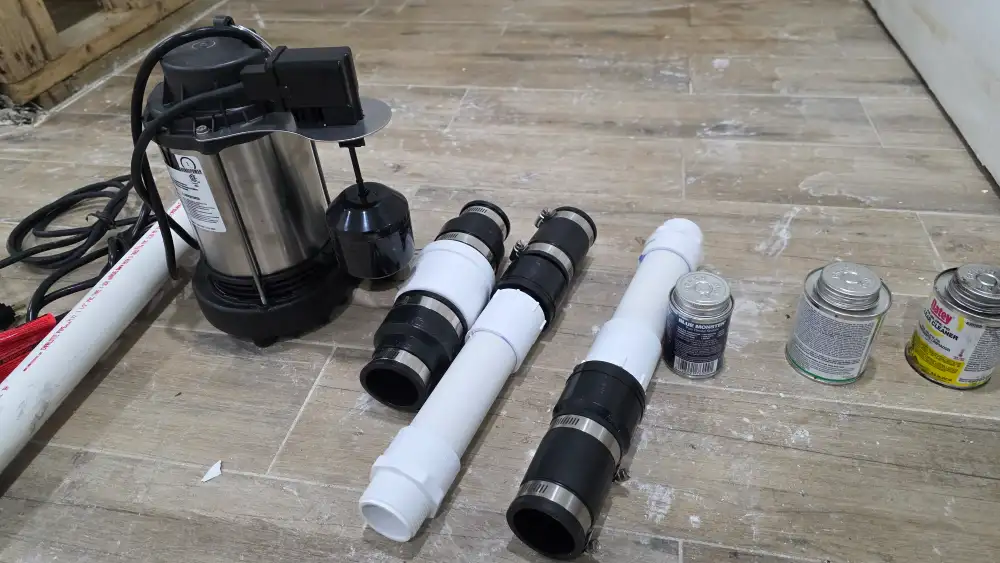
So here's the reality. If you're relying on that pump to protect your property, you'd better know what breaks it. Every failure has a cause. Every flood has a warning sign. And every smart homeowner should be thinking about backups, maintenance, and capacity long before the first drop hits the ground.
When the Lights Go Out, So Does Your Defense
Power outages rank at the top of the list for sump pump failures during heavy rain. Lowell storms bring wind, lightning, and downed lines — all of which can kill electricity just when you need it most. Without power, your pump sits idle. Water keeps rising. And unless you've got a battery backup or generator in place, you're watching it happen in real time.
We've seen this play out over and over. The storm hits hardest at night. Power goes out across the neighborhood. By morning, basements are soaked. A backup power system isn't optional if you live in a flood-prone area — it's the difference between dry floors and thousands in damage.
Your Pump Wasn't Built for This Much Water
Not every sump pump can handle the same volume. Some are rated for light residential use. Others are built for commercial-grade flow. When Lowell gets hammered with rain, the water table rises fast — and if your pump can't keep pace, it doesn't matter how hard it's working. The pit fills faster than it drains, and you're left with overflow.
This is especially common in older homes where the original pump was sized for average conditions, not worst-case scenarios. If your basement has flooded before, or if you've noticed the pump running constantly during moderate rain, it's probably undersized. Upgrading to a higher-capacity model or adding a secondary pump can solve that problem before the next storm rolls in.
Discharge Lines Get Blocked More Often Than You Think
Even a perfectly functioning pump won't help if the water has nowhere to go. The discharge line carries water away from your foundation, but it's also vulnerable. Debris, mud, frozen condensation, or even small animals can clog the line. When that happens, water backs up into the pit — or worse, into your basement.
We recommend checking the discharge line regularly, especially before storm season. Make sure it's clear, properly sloped, and directing water far enough away from the house. A clogged line is one of the easiest problems to prevent — and one of the most damaging if ignored.
Mechanical Parts Don't Last Forever
Sump pumps are machines, and machines wear out. The float switch can stick. The impeller can crack. The motor can burn out. Heavy rain puts extra stress on every component, and if your pump is already on the edge, that's when it gives up. Most pumps have a lifespan of seven to ten years, depending on usage and maintenance. If yours is older than that, you're gambling every time it rains.
Here's what typically fails first:
- Float switches that get jammed or tangled in debris
- Impellers worn down by sediment and mineral buildup
- Motors that overheat from continuous operation
- Check valves that stop preventing backflow
- Bearings that seize up from lack of lubrication
Installation Errors Come Back to Haunt You
A sump pump installed incorrectly might work fine under normal conditions — but fail spectacularly when it matters. Wrong pump type for the application. Discharge line routed poorly. Pit too shallow. Float switch positioned badly. All of these mistakes show up during heavy rain, when the system is pushed to its limits.
If your pump was installed by someone who didn't know what they were doing — or if it was a DIY job without professional oversight — there's a good chance something's off. We've pulled pumps that were never going to work right, no matter how much maintenance they got. Proper installation isn't just about following instructions. It's about understanding the home's drainage patterns, water table, and storm conditions.
Skipping Maintenance Is Playing Russian Roulette
Most sump pump failures during heavy rain could have been prevented with basic upkeep. Cleaning the pit, testing the float, checking the battery backup, inspecting the discharge line — these aren't complicated tasks. But they get skipped. And when the storm hits, all those little neglected details add up to one big problem.
Here's what regular maintenance should include:
- Testing the pump with a bucket of water every few months
- Cleaning out the sump pit to remove debris and sediment
- Inspecting the discharge line for clogs or damage
- Verifying the float switch moves freely
- Checking battery backup systems for charge and function
Switch Malfunctions Shut Down the Whole System
The switch is what tells your pump to turn on when water rises and shut off when the pit is empty. If that switch fails, nothing else matters. The pump either won't start, or it'll run nonstop until it burns out. Switch problems are often caused by debris in the pit, improper positioning, or simple wear over time.
Testing the switch is easy. Pour water into the pit and watch what happens. If the pump doesn't kick on, or if it doesn't shut off when it should, you've found your problem. Fixing it early is cheap. Waiting until a storm to find out? Not so much.
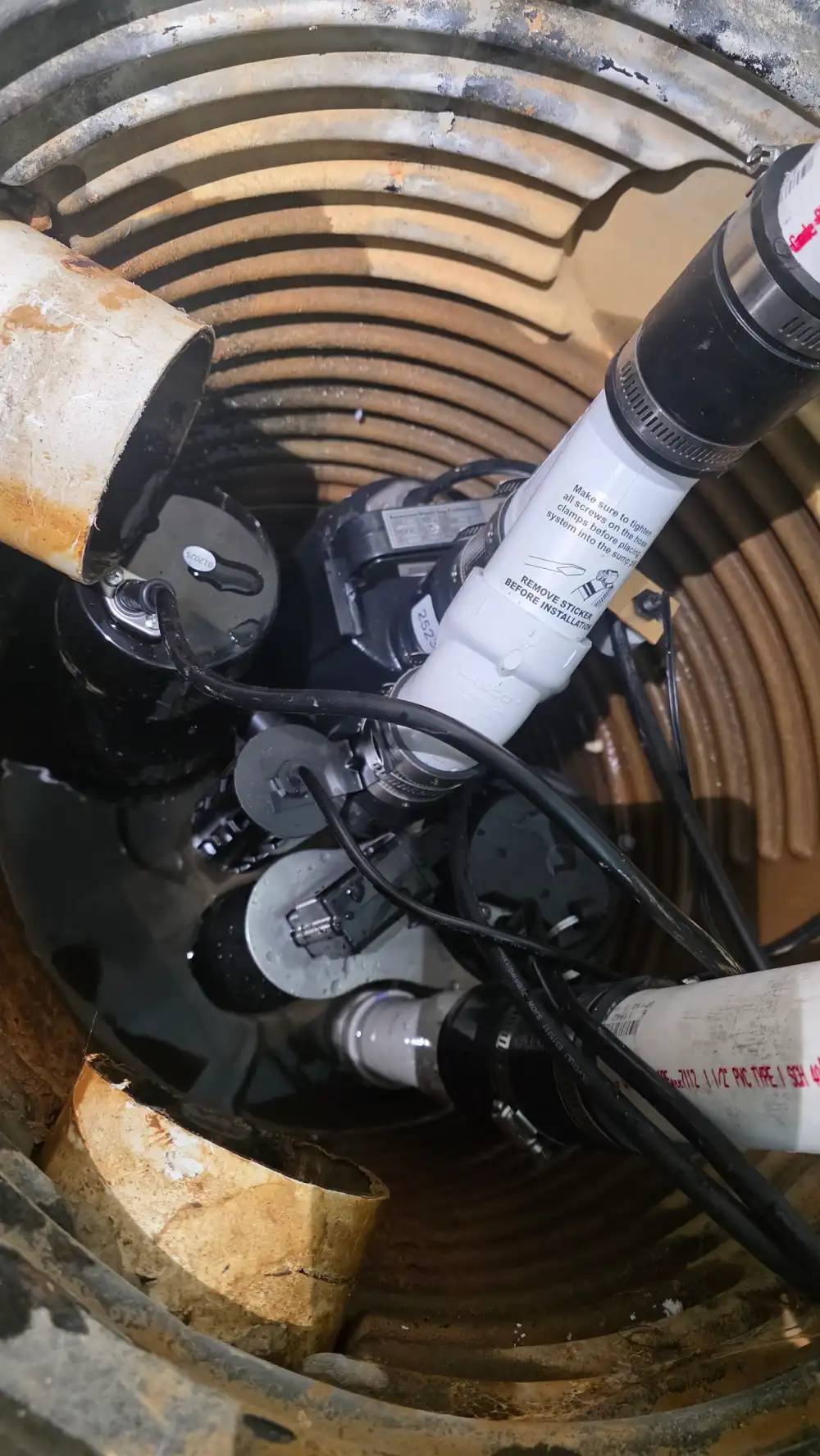
Heavy Rain Exposes Every Weak Link
Lowell storms don't give you second chances. When water starts pouring in, your sump pump either works or it doesn't. Power outages, overwhelmed capacity, clogged lines, worn-out parts, bad installation, skipped maintenance, and faulty switches — these are the usual suspects. And most of them are preventable.
We've walked into too many flooded basements where the pump was sitting right there, useless. Sometimes it's age. Sometimes it's neglect. Sometimes it's just bad luck. But more often than not, it's something that could've been caught with a little attention before the rain started. If you're relying on a sump pump to protect your home, make sure it's ready to do its job — because when the storm comes, it won't wait for you to figure it out.
What You Can Do Before the Next Storm
Preparation isn't paranoia. It's just good sense. Start by testing your pump now, not when the forecast shows three inches of rain overnight. Check the discharge line. Inspect the pit. Make sure your backup power is charged and functional. If your pump is older than a decade, consider replacing it before it dies mid-storm.
Here's a quick checklist for storm-ready sump pump systems:
- Install a battery backup or connect to a generator
- Upgrade to a higher-capacity pump if your basement floods regularly
- Clear the discharge line and ensure proper slope away from the house
- Replace worn or aging components before they fail
- Schedule professional inspection if installation was DIY or done years ago
When DIY Stops Being Smart
Some homeowners can handle basic sump pump maintenance. Others are better off calling in a pro. If you're dealing with frequent flooding, an aging system, or you're just not sure what you're looking at when you lift that pit cover, get help. A professional can spot problems you didn't know existed and recommend upgrades that actually make sense for your home.
Here's when to bring someone in:
- Your pump cycles on and off constantly, even in light rain
- You've had basement flooding despite a working pump
- The system is more than ten years old with no recent service
- You're not confident in the installation or don't know the pump's capacity
- You want to add backup power or a secondary pump
Protection You Can Count On
Heavy rain in Lowell isn't going anywhere. Neither are the risks that come with it. But sump pump failure doesn't have to be inevitable. With the right equipment, regular maintenance, and a little foresight, you can keep your basement dry through the worst storms. The pumps that fail are usually the ones that were ignored — until it was too late. Don't let that be yours. Professional water damage restoration services are ready to help with storm damage restoration when prevention isn't enough. Whether you need water damage repair or comprehensive disaster recovery services, having professional support matters. For ongoing issues like basement flooding, understanding your services options ensures you're never caught unprepared.
Let’s Keep Your Home Dry—Together
We know how stressful it is to worry about your basement every time the forecast calls for heavy rain. Let’s take the guesswork out of sump pump protection and make sure your home is ready for whatever Lowell weather throws your way. If you want peace of mind before the next storm, give us a call at 978-778-6676 or schedule an appointment and let’s get your sump pump system storm-ready.
‹ Back
Recent Posts
-
What Happens When Water Gets Behind Basement Walls in Framingham
September 10, 2026
-
Should Waltham Homeowners Replace Old Plumbing Before It Fails?
August 27, 2026
-
How Waterproofing Protects Lynn Homes Year Round
August 13, 2026
-
-