
Can Heavy Rain Cause Basement Water Damage in Lexington?
Most homeowners in Lexington think rain is just part of the scenery. Rolling hills, lush bluegrass, springtime showers—it all looks great until water starts pooling where it shouldn't. And when heavy storms roll through, your basement becomes ground zero. The dirt around your foundation can only hold so much before it gives up and starts pushing water straight through your walls.
So here's the reality. If you're living in Lexington and you've got a basement, you're dealing with geology that doesn't always play nice. Clay-heavy soil holds moisture like a sponge. Poor grading sends runoff toward your house instead of away. And when the sky opens up for hours, all that water has to go somewhere. Usually, that somewhere is your lowest level.
When the Ground Can't Take Anymore
Heavy rainfall doesn't just wet the surface. It saturates the soil several feet down, creating hydrostatic pressure that builds against every crack, seam, and weak point in your foundation. Once that pressure peaks, water finds its way in—through mortar joints, hairline fractures, or the gap where your floor meets the wall. It's not dramatic. It's physics.
And Lexington gets hit hard during certain months. Spring storms can dump inches in a single afternoon. Summer thunderstorms roll in fast and don't let up. If your drainage system isn't keeping pace, your basement is vulnerable every single time the forecast turns gray.
The Usual Suspects Behind Water Intrusion
We see the same issues over and over. Most basement flooding isn't random—it's predictable once you know what to look for. And the problems don't fix themselves.
- Gutters that dump water at the foundation: If downspouts aren't extended far enough, you're funneling thousands of gallons right where you don't want them.
- Grading that slopes the wrong way: Your yard should pitch away from the house. If it doesn't, every storm sends a river toward your walls.
- Foundation cracks nobody noticed: Settling happens. But those hairline splits become highways when pressure builds.
- Window wells without covers: Below-grade windows collect water like buckets if they're not protected.
- Sump pumps that fail when you need them most: Power outages during storms are common. If your pump doesn't have battery backup, you're gambling.
What Water Damage Actually Looks Like
You don't always see a flood. Sometimes it's just damp patches on the concrete or a weird smell that won't go away. That's still damage—and it's still costing you. Moisture breeds mold. Mold destroys air quality. And once it takes hold, mold removal isn't cheap.
- Wet spots along the base of walls or near floor drains
- White chalky buildup on concrete, which means water is evaporating and leaving minerals behind
- Musty odors that hit you the second you open the basement door
- Peeling paint or wallboard that's started to buckle
- Visible mold growth in corners or along ceiling joists
- Puddles that form even when it hasn't rained in days
If any of that sounds familiar, you've already got a problem. The question is how much worse it gets before you deal with it.
How to Stop Water Before It Gets In
Prevention isn't glamorous, but it works. Most water intrusion can be stopped with maintenance you can do yourself—or with upgrades that pay for themselves the first time a storm hits.
- Extend your downspouts at least six feet: Water needs distance. If it's dumping next to your foundation, it's going in.
- Regrade the soil around your home: Dirt settles over time. Add fill where needed and make sure everything slopes away.
- Seal visible cracks with hydraulic cement or epoxy: Small cracks turn into big leaks. Catch them early.
- Test your sump pump before storm season: Pour water in the pit and make sure it kicks on. If it doesn't, replace it.
- Install window well covers: Clear plastic covers keep rain out and still let light through.
- Consider interior or exterior waterproofing: For chronic issues, professional-grade waterproofing methods and drainage systems are worth the investment.
What Happens After the Water Gets In
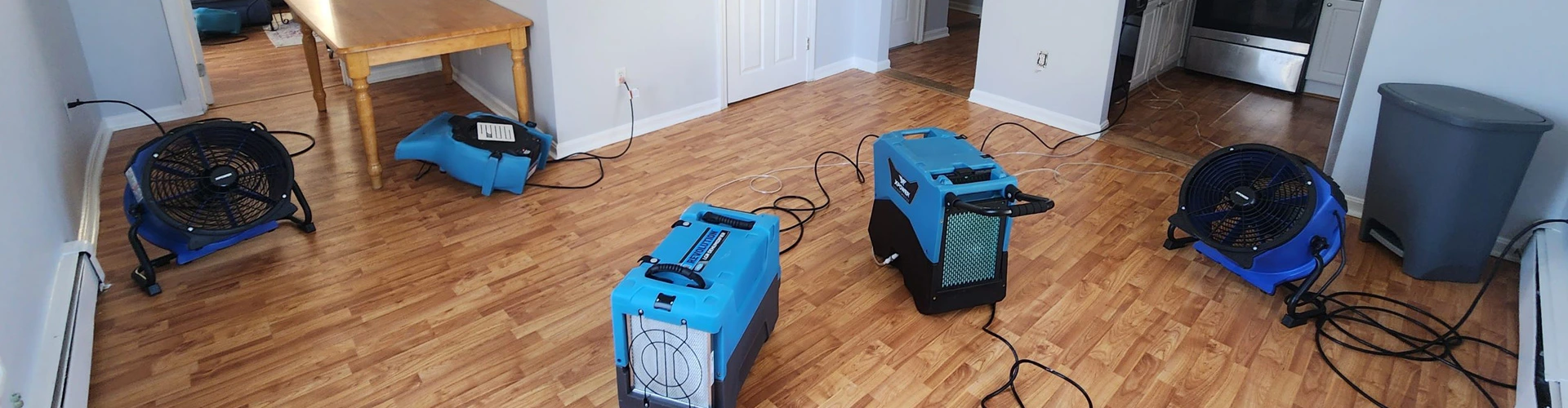
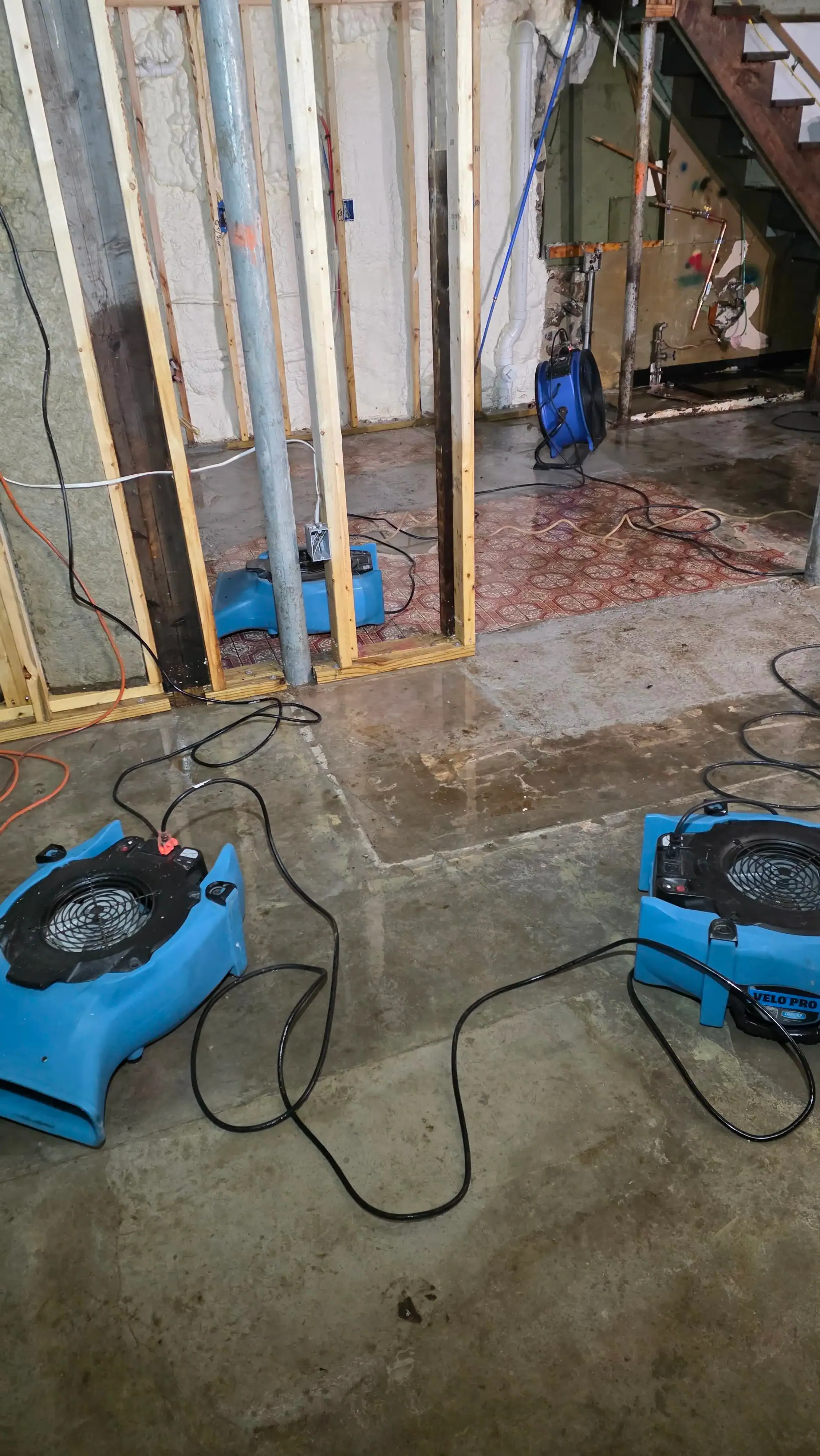
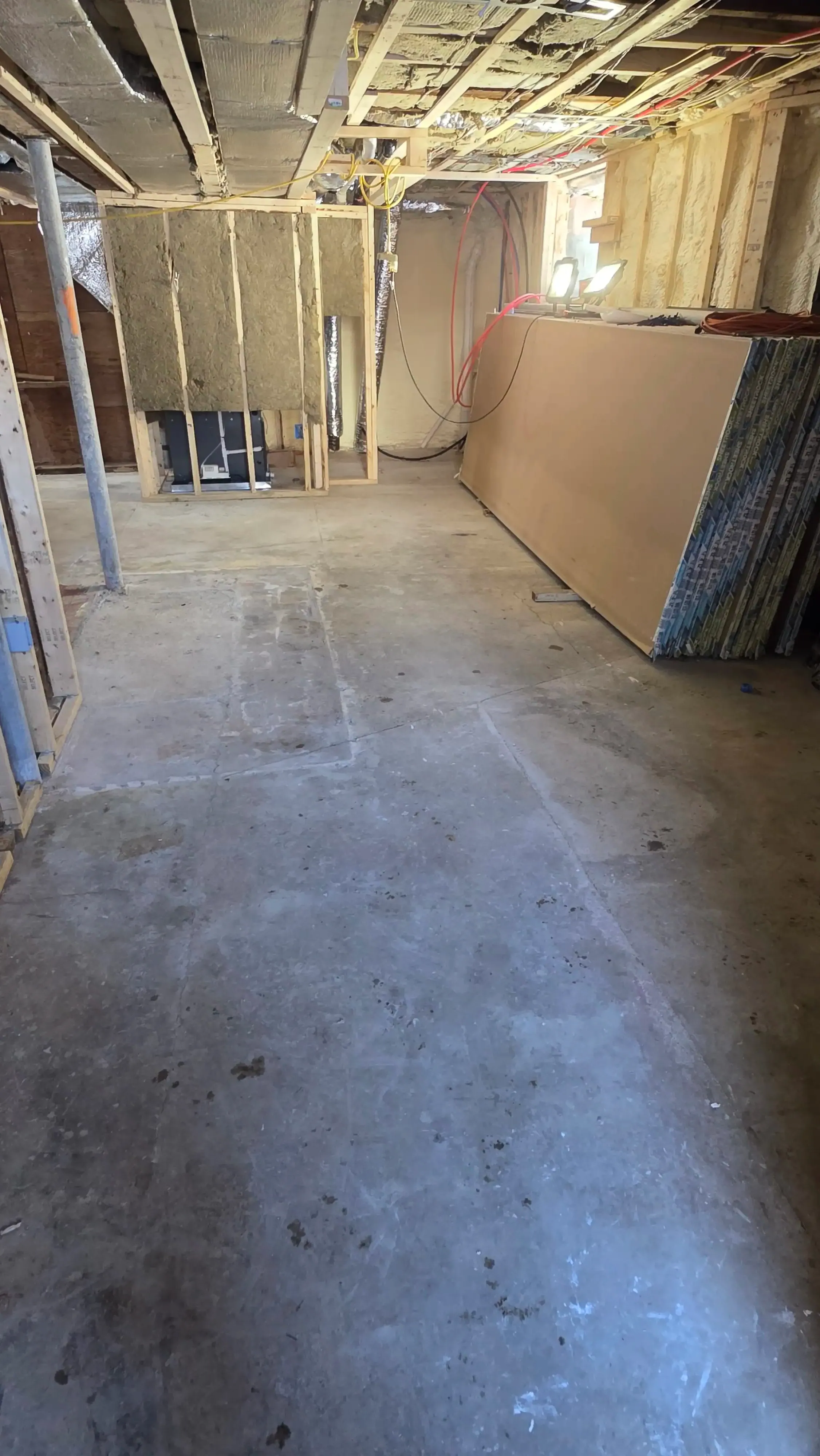
Speed matters. The longer water sits, the worse the damage. Pull out anything that got soaked—cardboard boxes, fabric, wood furniture. Run fans and dehumidifiers around the clock for at least 48 hours. If you're dealing with more than a few gallons, bring in a water damage restoration company. They'll handle extraction, drying, and mold remediation the right way.
And document everything. Take photos. Save receipts. If you're filing an insurance claim, you'll need proof of what happened and what you did to mitigate it. Skipping that step costs people money every year.
Lexington's Terrain Works Against You
This isn't just about rain—it's about where you live. Lexington sits on a mix of limestone bedrock and clay soils that don't drain well. Water moves slowly through clay, which means it sticks around longer and builds up pressure. Add in older homes with foundations that weren't built to modern standards, and you've got a recipe for leaks.
Newer construction tends to fare better, but even then, poor site work or skipped waterproofing can leave you exposed. No neighborhood is immune. We've seen flooding in everything from century-old Victorians downtown to cookie-cutter subdivisions on the outskirts.
Don't Wait for the Smell
By the time you notice mold or mildew, you're already behind. Spores start growing within 24 to 48 hours of water exposure. Once they're established, removal requires more than a bottle of bleach and a scrub brush. You're looking at professional mold remediation services, replaced drywall, and possibly torn-out insulation.
Check your basement after every heavy rain. Look for dampness. Smell for mustiness. Run your hand along the floor near the walls. If it feels cool or slightly wet, you've got seepage. Address it before it turns into something bigger.
Your Basement Isn't Optional Storage
Heavy rain in Lexington will cause basement water damage if you let it. But with the right systems in place—and the discipline to maintain them—you can keep your lowest level dry through even the worst storms. It's not about luck. It's about preparation, smart grading, and knowing when to call in help before a small leak becomes a flooded mess.
Let's Keep Your Basement Dry Together
We know how stressful it is to worry about water creeping into your basement every time the skies open up. Let’s work together to protect your home and give you peace of mind, rain or shine. If you’re ready to stop water damage before it starts, give us a call at 978-778-6676 or schedule an appointment and let’s get your basement back on solid ground.
‹ Back
Recent Posts
-
Can Heavy Rain Cause Basement Water Damage in Lexington?
November 19, 2026
-
What to Do After a Burst Pipe in Burlington
November 5, 2026
-
Dealing With Lingering Smoke Damage After a Fire in Bedford
October 22, 2026
-
Signs Water Damage in Billerica Needs Professional Help
October 8, 2026
-
What Causes Basement Mold Problems in Carlisle City?
September 24, 2026