
What to Do After a Burst Pipe in Burlington
Most homeowners in Burlington see a burst pipe and panic. Water everywhere, chaos spreading, damage stacking up by the minute. But freezing up won't stop the flood. The decisions you make in the first thirty minutes set the tone for everything that follows — how much you lose, how fast you recover, and whether mold becomes your next headache. Burlington winters don't play around, and neither should you when a pipe lets go.
So here's what matters. Speed counts more than perfection. Documentation beats memory every time. And knowing who to call before disaster strikes is worth more than any bucket you own. A burst pipe isn't just about water — it's about protecting what you've built and making sure the aftermath doesn't cost more than the break itself.
Kill the Water Before It Kills Your Floors
The second you confirm a burst pipe, shut down the main water supply. Every moment that valve stays open is another gallon flooding your space. We're talking basements turned into pools, drywall soaking through, and subfloors warping beyond repair. The main shutoff is usually tucked in the basement or near where your water line enters the house. If you don't know where yours is, find it today — not when you're ankle-deep in freezing water.
Don't assume the problem will slow down on its own. Pipe bursts don't trickle. They gush. And the longer that flow runs unchecked, the more you're looking at structural damage, ruined belongings, and insurance claims that drag on for months. Shutting off the water is the single most important move you'll make in the first sixty seconds.
Electricity and Water Don't Negotiate
If water is pooling near outlets, appliances, or anywhere close to your electrical panel, cut the power to that zone immediately. We've seen too many close calls where someone waded into a flooded basement without thinking about live wires. The risk isn't theoretical — it's real, and it's lethal.
If the breaker box is in the affected area and you can't reach it safely, don't try. Call an electrician or emergency services. There's no award for bravery when it comes to mixing standing water with electricity. Protect yourself first, then worry about the cleanup.
Drain What's Left in the Lines
Once the main supply is off, open every faucet in the house — hot, cold, inside, outside. Flush the toilets. Let the remaining water in the system drain out completely. This drops the pressure and stops residual water from leaking through the burst section. It's a small step that prevents a bad situation from getting worse while you're waiting for help to arrive.
Burlington homes often have outdoor spigots that people forget about until spring. Don't skip those. Any trapped water still sitting in the pipes can freeze again or continue leaking if the temperatures swing. Clear the system, then move to the next step.
Find the Break Before the Pros Show Up
- Water pooling on floors or soaking through carpet
- Wet patches spreading across walls or ceilings
- Bulging drywall or peeling paint
- The sound of water running behind walls
- Sudden drops in water pressure before you shut off the main
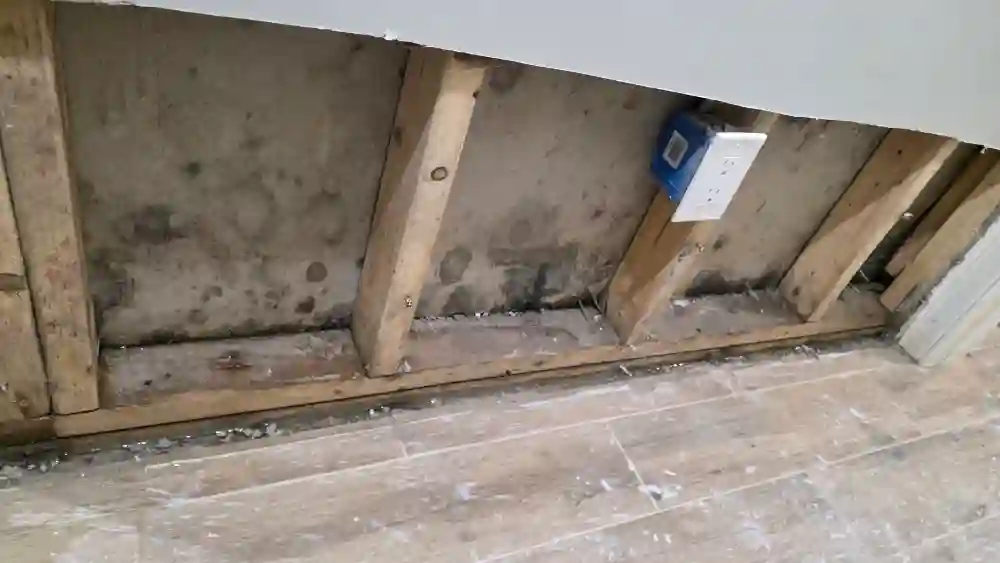
If the burst is behind a wall, don't start ripping out drywall unless you know what you're doing. Mark the area, take photos, and let the professionals handle the demolition. Guessing wrong can turn a single repair into a full renovation.
The faster they arrive, the less damage compounds. And if the burst happened because of freezing, they'll know how to check the rest of your system for weak points before another pipe lets go. Don't wait until morning if it happens at night. Water damage doesn't take breaks.
Get the Standing Water Out Fast
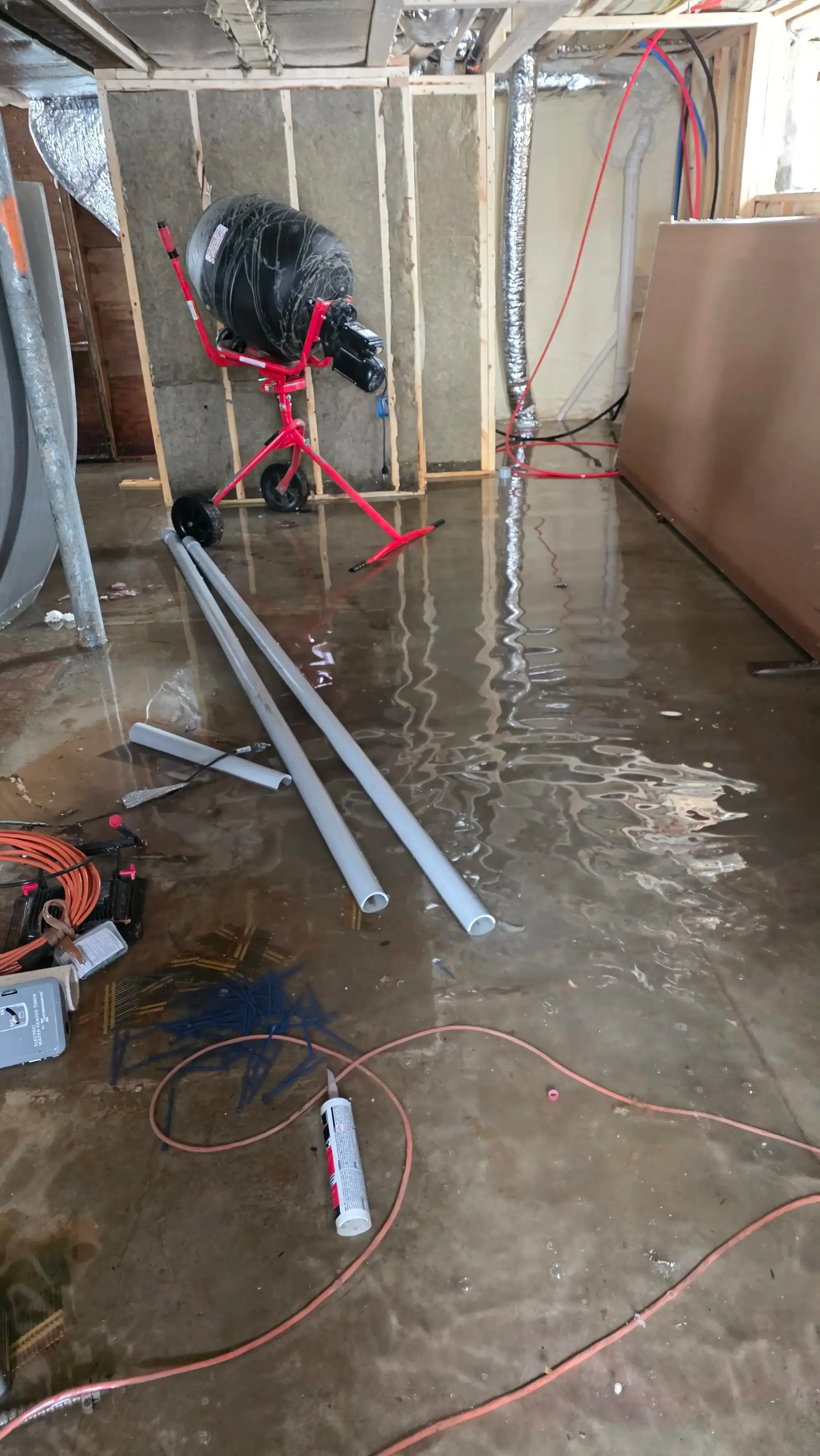
Grab every bucket, mop, and towel you've got. If you own a wet/dry vacuum, this is its moment. The goal is simple: remove standing water as quickly as possible. The longer it sits, the deeper it soaks into floors, baseboards, and subflooring. That's when you start looking at mold, rot, and structural repairs that make the pipe replacement look cheap.
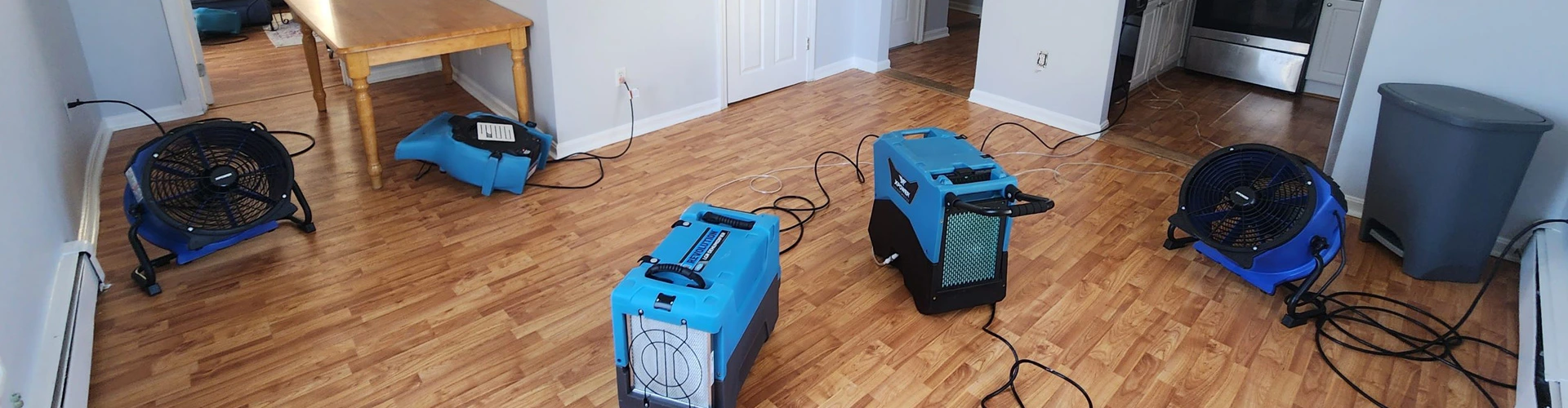
If the flood is more than you can handle with household tools, call a water damage restoration company. They'll bring industrial pumps and dehumidifiers that pull moisture out of places you can't even see. It's not cheap, but neither is replacing your entire basement six months later because mold took over.
Move Everything Worth Saving
Furniture, electronics, documents, anything you care about — get it out of the affected area. Water doesn't stop at the surface. It wicks up into wood, seeps into upholstery, and ruins anything it touches. Use aluminum foil or blocks under furniture legs if you can't move pieces entirely. Pull up rugs and get them somewhere dry before they turn into breeding grounds for mold.
We've watched people lose family photos, expensive equipment, and irreplaceable items because they underestimated how fast water spreads. If it matters to you, move it now. You can always bring it back once the area is dry and safe.
Dry It Out Before Mold Moves In
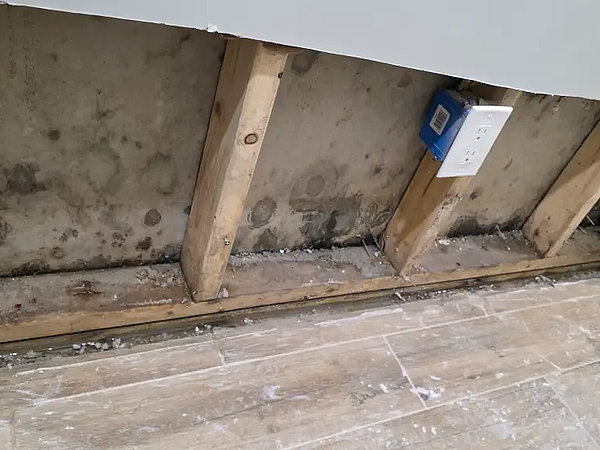
Mold starts growing within 24 to 48 hours of water exposure. That's your window. Once you've cleared the standing water, set up fans, open windows, and run dehumidifiers around the clock. Focus on hidden spots — inside cabinets, behind baseboards, under flooring. Those are where moisture hides and mold thrives.
If the weather outside is freezing, balance airflow with keeping your pipes from refreezing. Crack windows just enough to vent moisture without dropping your indoor temperature too far. It's a juggling act, but it's necessary if you want to avoid a second disaster on top of the first.
Document Everything You See
Before you clean up, before you throw anything away, take photos and videos of every inch of damage. Your insurance company will want proof, and your memory won't cut it. Shoot wide angles, close-ups, and anything that shows the extent of the water spread. Make a list of damaged items and keep receipts for every repair, rental, or replacement.
If you skip this step, you're gambling with your claim. Insurance adjusters need documentation to process payouts, and without it, you're leaving money on the table. We've seen claims denied or reduced because homeowners cleaned up too fast and couldn't prove the damage was as bad as they said.
Call Your Insurance Company Immediately
Don't wait a week to file a claim. Contact your homeowner's insurance as soon as the pipe is secured and you've documented the damage. Most policies cover burst pipes, but coverage varies depending on the cause and how you maintained your home. If the burst happened because you let your heat drop too low or ignored obvious maintenance issues, you might face questions.
Follow their process exactly. Submit your documentation, keep copies of everything, and respond to requests quickly. The faster you move, the faster they move. And if they send an adjuster, be there to walk them through the damage in person. It makes a difference.
Stop the Next One Before It Happens
Once the crisis is over, take a hard look at your Burlington winters are brutal, and pipes that survived this year might not make it through the next. Here's what actually works:
- Insulate exposed pipes in basements, crawl spaces, and attics
- Seal cracks and gaps where cold air reaches
- Let faucets drip during deep freezes to keep water moving
- Open cabinet doors under sinks to let warm air circulate
- Keep your thermostat consistent, even when you're away
Prevention isn't glamorous, but it's a lot cheaper than emergency and water restoration. If your home has a history of frozen pipes or you're in an older building, consider upgrading vulnerable sections before the next cold snap hits. Professional disaster recovery services can assess your system for weak points and recommend preventive measures that protect against future emergencies.
The Cleanup Is Just the Start
A burst pipe doesn't end when the water stops. The real work is making sure your home is dry, safe, and protected from the next freeze. Speed matters in the first hour. Documentation matters when you file your claim. And prevention matters when you're trying to avoid doing this all over again next winter. Understanding signs of hidden water damage can help you catch problems before they escalate. Professional mold damage restoration services ensure that moisture-related issues don't compromise your home's structure or your family's health. Burlington doesn't give homeowners a pass when temperatures drop, but connecting with experienced restoration of residential items professionals means you'll have expert support when you need it most. But if you know what to do and who to call, you'll come out ahead — even when the worst happens.
Let’s Restore Your Peace of Mind
When a burst pipe turns your world upside down, you don’t have to face the mess alone. We’re here to help Burlington homeowners recover quickly and prevent future headaches. If you’re dealing with water damage or want expert advice before the next freeze, let’s talk. Call us at 978-778-6676 or schedule an appointment and let’s get your home back to normal, fast.
‹ Back
Recent Posts
-
What to Do After a Burst Pipe in Burlington
November 5, 2026
-
Dealing With Lingering Smoke Damage After a Fire in Bedford
October 22, 2026
-
Signs Water Damage in Billerica Needs Professional Help
October 8, 2026
-
What Causes Basement Mold Problems in Carlisle City?
September 24, 2026
-
What Happens When Water Gets Behind Basement Walls in Framingham
September 10, 2026